

Operation Process and Working Principle of Wheat Flour Pneumatic Conveying Systems
Wheat flour pneumatic conveying systems are critical components in the food processing industry, designed to efficiently transport wheat flour and other fine powders from one location to another. As a leading manufacturer in this field, Shandong HeadPowder Engineering Co., Ltd. specializes in providing high-quality solutions tailored to the unique needs of flour mills and processing facilities. This article delves into the operation process and working principle of these systems, highlighting their efficiency, reliability, and the technical expertise behind their design.
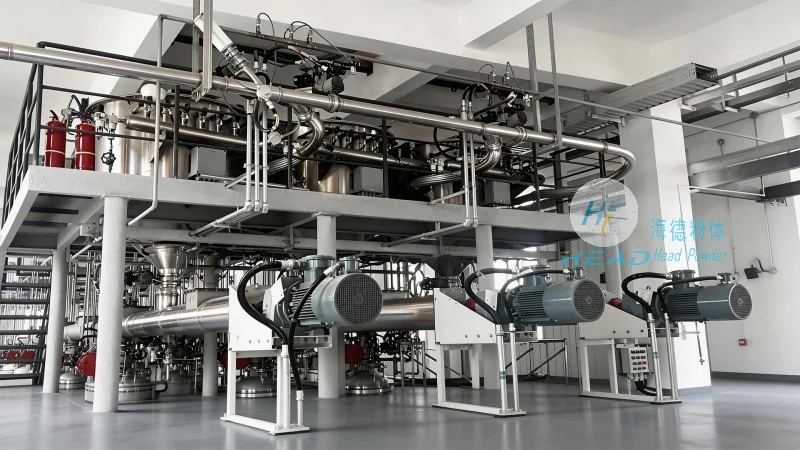
Introduction to Wheat Flour Pneumatic Conveying Systems
Wheat flour pneumatic conveying systems utilize air as the primary medium to transport bulk materials like wheat flour. Unlike traditional mechanical conveyors, which rely on physical contact and moving parts, pneumatic systems offer a more hygienic, dust-free, and flexible approach to material handling. The systems are widely used in flour mills, bakeries, and other food processing plants due to their ability to maintain product quality while ensuring efficient and safe transportation. HeadPowder, as a reputable company based in Shandong, China, has been at the forefront of developing advanced pneumatic conveying solutions that meet international standards for food safety and operational performance.
Key Components of a Wheat Flour Pneumatic Conveying System
A typical wheat flour pneumatic conveying system consists of several key components that work in tandem to ensure smooth operation. These components include the hopper (for material storage), the air compressor (to generate the necessary air pressure), the conveying line (usually made of flexible or rigid tubing), the dust collector (to capture and filter air and flour particles), and the discharge point (where the flour is released at the destination). Each component plays a crucial role in maintaining the system's efficiency and preventing product contamination. For instance, the hopper is designed with a sloped bottom to facilitate material flow, while the air compressor provides the consistent pressure required to move the flour through the system. The conveying line is often made of food-grade materials, such as stainless steel or polyethylene, to ensure compliance with hygiene regulations. The dust collector, equipped with high-efficiency particulate air (HEPA) filters, ensures that the air released back into the environment is clean and free from flour particles, maintaining a safe working environment.
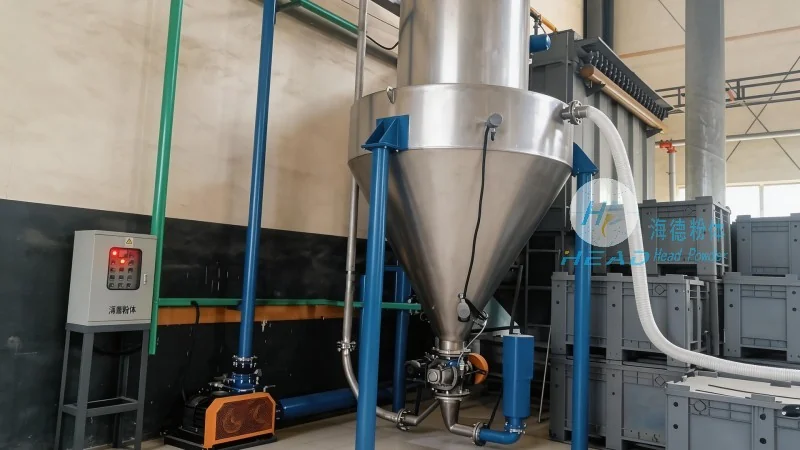
The Operation Process of Wheat Flour Pneumatic Conveying
The operation process of a wheat flour pneumatic conveying system involves several sequential steps that ensure the efficient transfer of flour from the source to the destination. The process begins with the loading of wheat flour into the hopper. Once the hopper is filled, the air compressor is activated, generating a flow of air that creates a negative pressure in the conveying line. This negative pressure draws the flour from the hopper into the line, where it is mixed with the air and transported to the discharge point. The flour is then released into the receiving container, such as a silo or a storage bin. The system operates continuously, with the air compressor maintaining a consistent pressure to ensure a steady flow of flour. The entire process is automated, with sensors and controls monitoring the system's performance to prevent issues like blockages or overloading. HeadPowder's systems are equipped with advanced control panels that allow operators to adjust the air pressure, flow rate, and other parameters to optimize performance based on the specific requirements of the flour mill.
Working Principle of Wheat Flour Pneumatic Conveying
The working principle of wheat flour pneumatic conveying is based on the principles of fluid dynamics and air movement. The system operates by creating a pressure differential between the source and the destination. The air compressor generates a high-pressure air stream, which is then introduced into the conveying line. As the air flows through the line, it creates a low-pressure zone at the hopper, causing the wheat flour to be drawn into the line along with the air. The mixture of flour and air travels through the line at a high velocity, ensuring that the flour particles are suspended and transported efficiently. The velocity of the air is critical, as it must be sufficient to keep the flour particles in suspension but not so high as to cause excessive wear on the system components. The system's design, including the diameter of the conveying line and the length of the run, is carefully calculated to ensure that the air velocity remains within the optimal range for efficient conveying. HeadPowder's engineers use advanced computational fluid dynamics (CFD) software to model the flow of air and flour, ensuring that the system is optimized for maximum efficiency and minimal energy consumption.
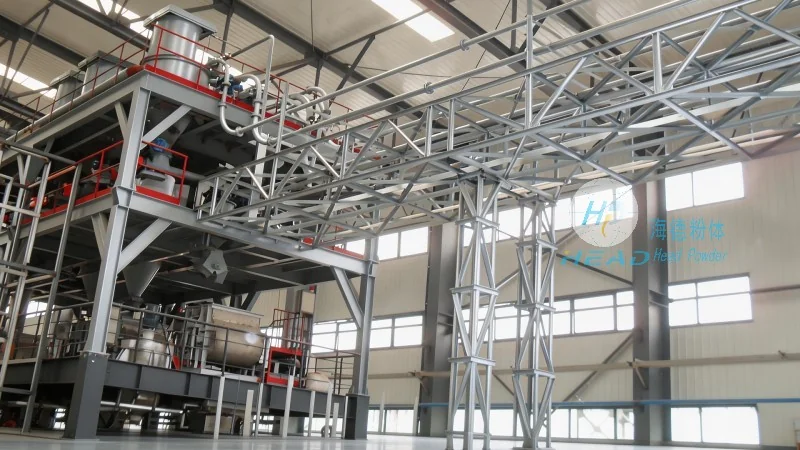
Advantages of Wheat Flour Pneumatic Conveying Systems
Wheat flour pneumatic conveying systems offer several advantages over traditional mechanical conveyors, making them the preferred choice for many flour mills and processing facilities. One of the primary advantages is the hygienic nature of the system, as it eliminates the need for physical contact between the flour and the conveyor components. This reduces the risk of contamination and ensures that the flour remains in its original state, free from dust or other particles. Another advantage is the flexibility of the system, as the conveying line can be easily reconfigured to accommodate changes in the layout of the facility or to transport flour to different locations. The system is also more energy-efficient than traditional conveyors, as it requires less power to operate and can handle longer distances with less energy consumption. Additionally, the system is more reliable, as it has fewer moving parts and is less prone to breakdowns. HeadPowder's systems are designed with these advantages in mind, ensuring that they provide long-term performance and low maintenance costs for their customers.
Applications of Wheat Flour Pneumatic Conveying Systems
Wheat flour pneumatic conveying systems are used in a wide range of applications within the food processing industry. The most common application is the transportation of wheat flour from the grinding mill to the storage silos or to the bakery. However, the systems are also used to transport other fine powders, such as sugar, cocoa, and other ingredients used in food production. The systems are also used in pharmaceutical and chemical industries, where the hygienic nature of the system is critical. HeadPowder's systems are designed to meet the specific requirements of these applications, ensuring that they provide efficient and reliable transportation of the materials. For example, in a bakery, the system can be used to transport flour from the storage silos to the mixing equipment, ensuring that the flour is delivered in a clean and hygienic manner. In a pharmaceutical plant, the system can be used to transport active ingredients, ensuring that they are not contaminated during the transportation process.
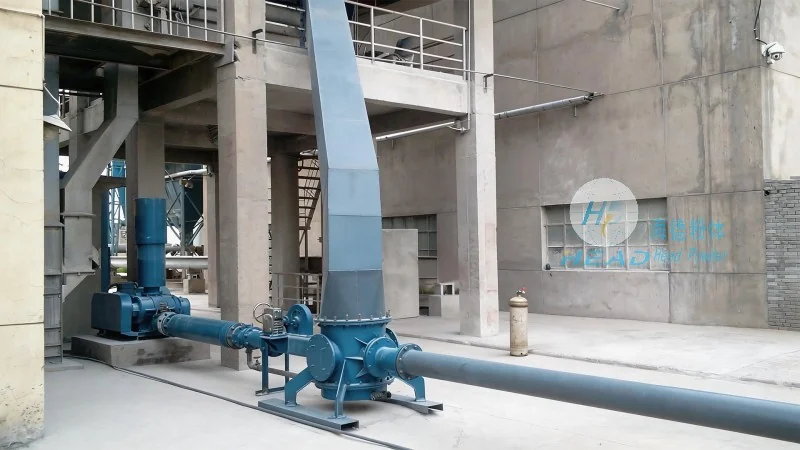
Maintenance and Troubleshooting of Wheat Flour Pneumatic Conveying Systems
Maintenance is an important aspect of ensuring the long-term performance of wheat flour pneumatic conveying systems. Regular maintenance is required to ensure that the system operates efficiently and safely. The maintenance schedule typically includes cleaning the hopper and conveying line, checking the air compressor and filters, and inspecting the system for any signs of wear or damage. HeadPowder provides comprehensive maintenance services to their customers, including on-site inspections and repairs. In case of any issues, the company's technical support team is available to provide assistance and troubleshooting guidance. Common issues that may arise in pneumatic conveying systems include blockages, which can be caused by the accumulation of flour particles or the presence of foreign objects. The system may also experience pressure drops, which can be caused by clogged filters or worn-out components. HeadPowder's engineers are trained to diagnose and resolve these issues quickly, minimizing downtime and ensuring that the system returns to normal operation as soon as possible.
Conclusion
Wheat flour pneumatic conveying systems are an essential part of the food processing industry, providing efficient and hygienic transportation of wheat flour and other fine powders. Shandong HeadPowder Engineering Co., Ltd. has established itself as a leading manufacturer of these systems, offering high-quality solutions that meet the needs of flour mills and processing facilities worldwide. The operation process and working principle of these systems are based on advanced engineering principles, ensuring that they provide reliable and efficient performance. With the right maintenance and support, these systems can provide long-term value to their users, making them a cost-effective investment for any food processing facility.