

Operation Process and Working Principle of Refractory Material Pneumatic Conveying Equipment
HeadPowder, a leading manufacturer based in Shandong, China, specializes in the design, production, and supply of advanced refractory material pneumatic conveying equipment. This article provides a detailed overview of the operation process and working principle of such equipment, highlighting the key components, operational mechanisms, and practical applications that ensure efficient material handling in industrial settings.
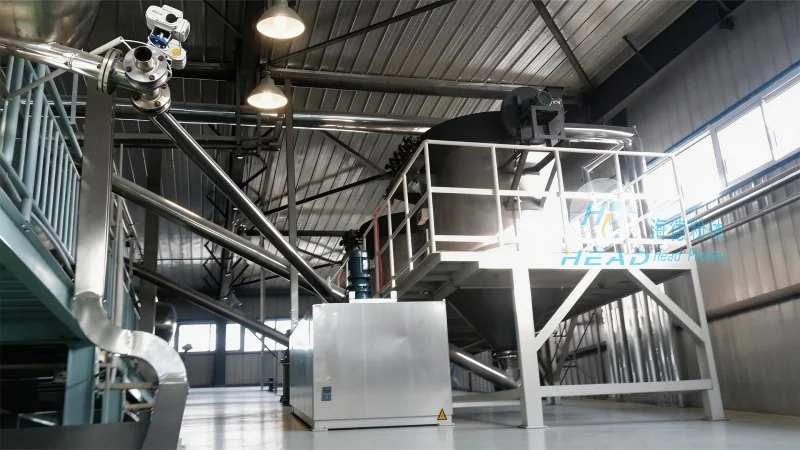
Introduction to Refractory Material Pneumatic Conveying Equipment
Refractory material pneumatic conveying systems are critical in industries that handle high-temperature, abrasive, or bulk materials. These systems utilize air or gas to transport refractory powders, granules, or other materials from one location to another without the need for mechanical components like belts or buckets. The primary goal is to achieve efficient, dust-free, and safe material transfer, which is essential for maintaining product quality and operational safety in manufacturing processes.
Key Components of the Pneumatic Conveying System
The refractory material pneumatic conveying equipment typically consists of several key components that work in tandem to facilitate material transport. These include the hopper or feed hopper, which stores the refractory material and feeds it into the system; the air compressor or blower, which generates the necessary air pressure to move the material; the conveying line, which is usually made of flexible or rigid tubing; and the receiver or discharge hopper, where the material is collected after transport. Additionally, components such as check valves, filters, and pressure regulators may be included to ensure smooth operation and prevent backflow or contamination.

Working Principle of the Pneumatic Conveying Process
The operation of the refractory material pneumatic conveying system is based on the principle of air flow and pressure differentials. The process begins when the refractory material is introduced into the feed hopper. The air compressor then generates a high-pressure air stream, which is directed into the conveying line. As the air flows through the line, it entrains the refractory particles, creating a slurry-like mixture known as a "pneumatic stream." The combination of air velocity and particle size determines the efficiency of material transport. The conveying line transports this mixture to the receiver, where the air is separated from the material through a filter or cyclone separator. The separated air is then recirculated back to the compressor, while the refractory material is collected in the receiver for further processing or use.
Operation Process: Step-by-Step Guide
The operation process of the refractory material pneumatic conveying equipment involves several sequential steps that ensure consistent and reliable material transfer. First, the refractory material is loaded into the feed hopper, and the system is primed by activating the air compressor. Next, the material is fed into the conveying line as the air stream moves through the system. The material is then transported to the receiver, where it is collected. The system may include a control panel that monitors pressure, flow rate, and other parameters to ensure optimal performance. Regular maintenance, such as cleaning filters and checking for air leaks, is essential to maintain the efficiency and longevity of the equipment.
Advantages of Refractory Material Pneumatic Conveying Equipment
Refractory material pneumatic conveying systems offer several advantages over traditional mechanical conveying methods. These include reduced dust generation, which improves workplace safety and product quality; the ability to handle abrasive or high-temperature materials without wear and tear on components; and the flexibility to transport materials over long distances or through complex layouts. Additionally, these systems are energy-efficient and can be easily integrated into existing industrial processes, making them a preferred choice for many manufacturers.
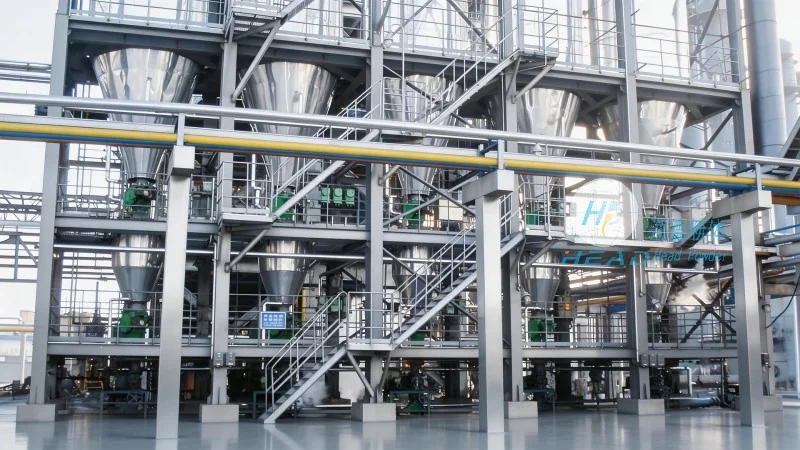
Applications in Industrial Settings
Refractory material pneumatic conveying equipment is widely used in various industrial applications, including the production of refractory bricks, ceramics, and other high-temperature materials. It is also utilized in the chemical, pharmaceutical, and food industries for handling bulk materials that require dust-free and hygienic transport. The equipment is particularly suitable for applications where material contamination or loss must be minimized, as the enclosed system prevents exposure to the environment and ensures consistent product quality.
Conclusion
HeadPowder's refractory material pneumatic conveying equipment exemplifies advanced engineering and operational efficiency. By understanding the working principle and operation process, users can optimize material handling in their industrial settings, ensuring safety, productivity, and product quality. With a focus on durability and reliability, these systems provide a cost-effective solution for transporting refractory materials in a wide range of applications.