

Operation Process and Working Principle of Chlorinated Polyethylene Pneumatic Conveying Equipment
Chlorinated polyethylene (CPE) is a widely used polymer material in various industrial applications due to its excellent chemical resistance, flexibility, and durability. Pneumatic conveying systems are essential for efficiently transporting CPE powder or granules from one location to another within industrial facilities. This article provides an overview of the operation process and working principle of a CPE pneumatic conveying system, highlighting the key components, operational steps, and technical aspects that ensure reliable and efficient material handling.
Key Components of the Pneumatic Conveying System
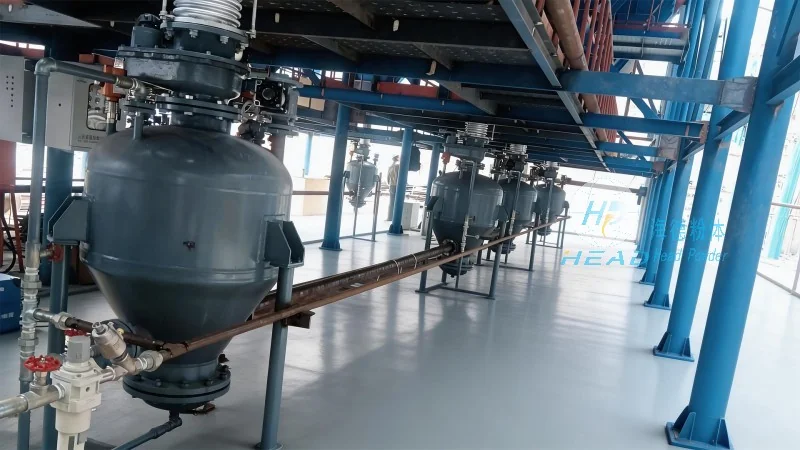
The CPE pneumatic conveying equipment typically consists of several critical components that work in tandem to achieve effective material transport. These components include the hopper, feeder, air compressor, conveying line, dust collector, and control system. The hopper is designed to store the CPE material and maintain a consistent feed rate. The feeder, often a rotary valve or screw feeder, regulates the flow of CPE into the conveying line. The air compressor generates the necessary air pressure to move the material through the system. The conveying line, usually made of stainless steel or other corrosion-resistant materials, transports the CPE particles along with the air stream. The dust collector captures any fine particles that may escape during the conveying process, ensuring environmental compliance and product purity. The control system monitors and adjusts the operational parameters to optimize performance and prevent issues such as blockages or pressure fluctuations.
Operation Process of the CPE Pneumatic Conveying System
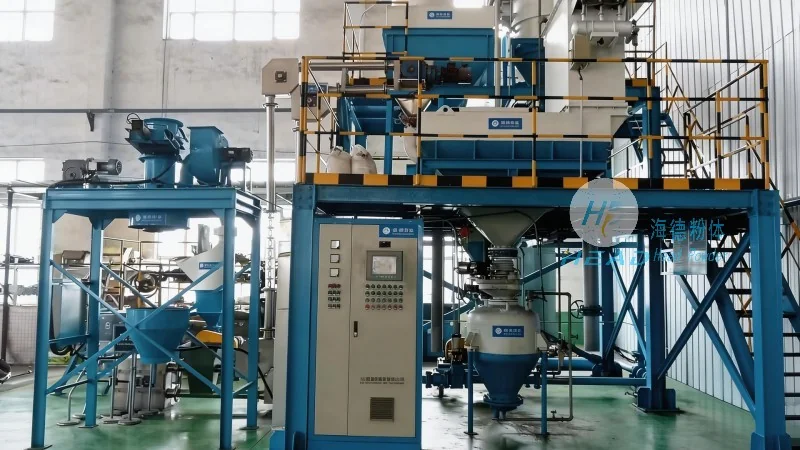
The operation of the CPE pneumatic conveying system follows a systematic sequence to ensure smooth material transport. The process begins with the loading of CPE material into the hopper. The feeder then starts to discharge the material at a controlled rate, which is synchronized with the air flow from the compressor. As the material enters the conveying line, it is mixed with the high-velocity air stream, creating a slurry-like mixture that propels the particles forward. The conveying line may include bends, expansions, or other fittings to guide the material to the destination point, such as a storage silo or processing unit. At the receiving end, the material is separated from the air stream, often through a cyclone or filter, and collected in the target container. The control system continuously monitors the pressure, flow rate, and material level to maintain optimal operation and detect any abnormalities, such as a blockage or low material level in the hopper.
Working Principle of the Pneumatic Conveying System
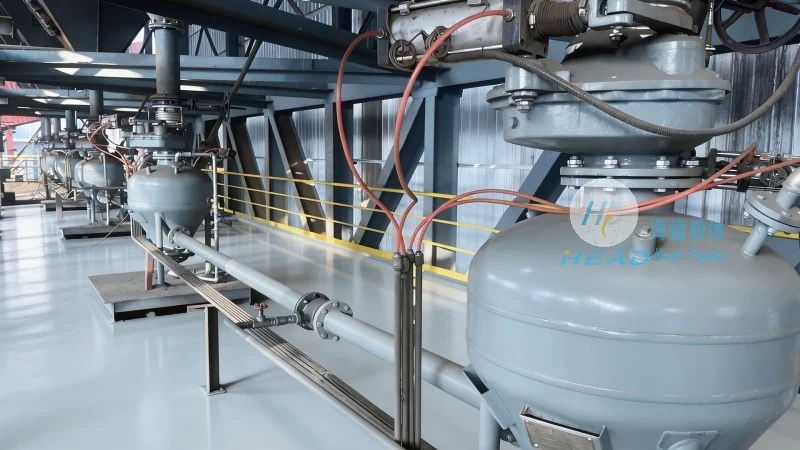
The working principle of the CPE pneumatic conveying system is based on the principles of fluid dynamics and particle transport. When the air compressor provides a high-pressure air stream, it creates a pressure differential between the hopper and the receiving end. This pressure difference drives the CPE particles into the conveying line, where they are suspended and carried by the air flow. The velocity of the air stream is crucial; it must be sufficient to overcome the gravitational force acting on the particles and any frictional losses in the system. The design of the conveying line, including its diameter and length, is optimized to minimize pressure drop and energy consumption. The dust collector plays a vital role in maintaining the system's efficiency by capturing fine particles that may escape, preventing them from entering the environment or contaminating the product. The control system ensures that the air flow and material feed are balanced, preventing overloading or underloading of the system, which could lead to blockages or inefficient transport.
Benefits and Applications of CPE Pneumatic Conveying Equipment
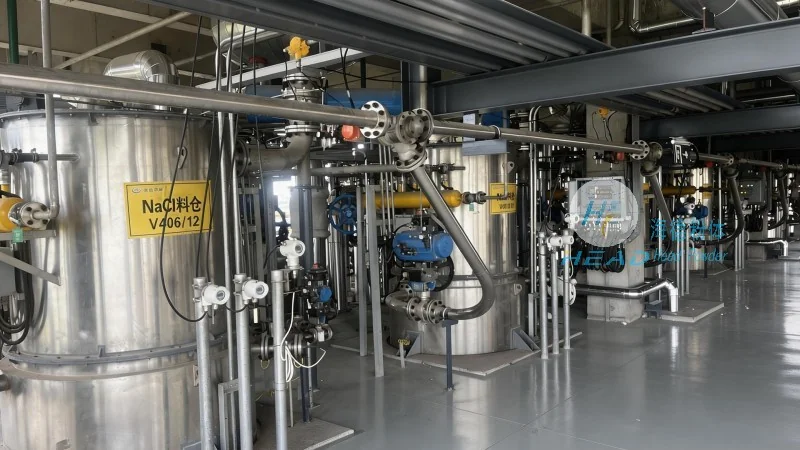
The use of CPE pneumatic conveying equipment offers several advantages in industrial applications. It provides a dust-free and hygienic method of transporting CPE, which is essential for maintaining product quality and meeting regulatory standards. The system is also flexible and can be easily integrated into existing production lines, allowing for seamless material transfer between different processes. Additionally, the equipment is compact and requires less floor space compared to traditional bulk handling methods, making it suitable for facilities with limited space. The CPE pneumatic conveying system is widely used in industries such as plastics manufacturing, chemical processing, and food processing, where the efficient and safe handling of CPE is critical. The reliability and efficiency of the system contribute to improved productivity and reduced operational costs for companies in these sectors.