

Operation Process and Working Principle of Powder Electrolyte Pneumatic Conveying Equipment
HeadPowder, a leading manufacturer based in Shandong, China, specializes in the design and production of advanced pneumatic conveying systems for powder electrolytes. This article provides a detailed overview of the operation process and working principles of such equipment, highlighting its efficiency and reliability in industrial applications.
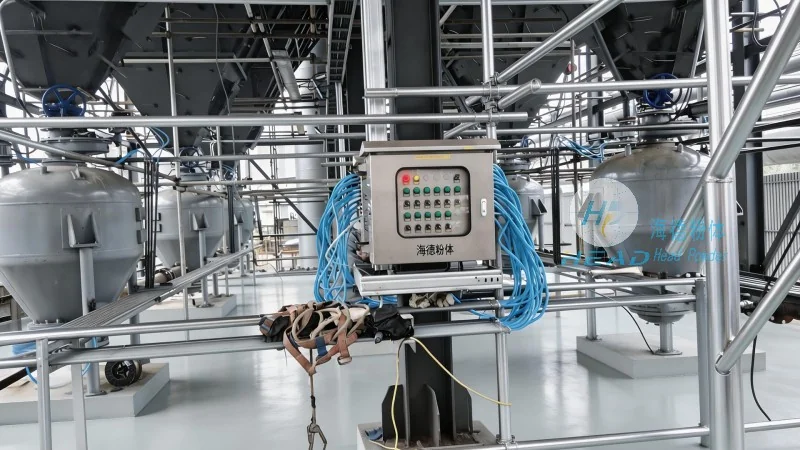
Introduction to Powder Electrolyte Pneumatic Conveying
Powder electrolyte pneumatic conveying equipment is a critical component in industries dealing with electrolyte powders, such as battery manufacturing, chemical processing, and material handling. The system efficiently transports fine powders over long distances using compressed air or other gas streams, eliminating the need for mechanical components like belts or screws. This method offers advantages like reduced contamination, lower maintenance costs, and improved safety compared to traditional conveying methods.
Key Components of the Pneumatic Conveying System
The pneumatic conveying system for powder electrolytes typically consists of several key components that work in tandem to ensure smooth operation. These include a hopper for material storage, a feed valve to control the flow of powder, a conveying line (often equipped with pressure vessels or ducts), a receiver for the discharged material, and a gas source (such as a blower or compressor) to generate the necessary airflow. Each component plays a vital role in maintaining the system's performance and ensuring consistent material transport.
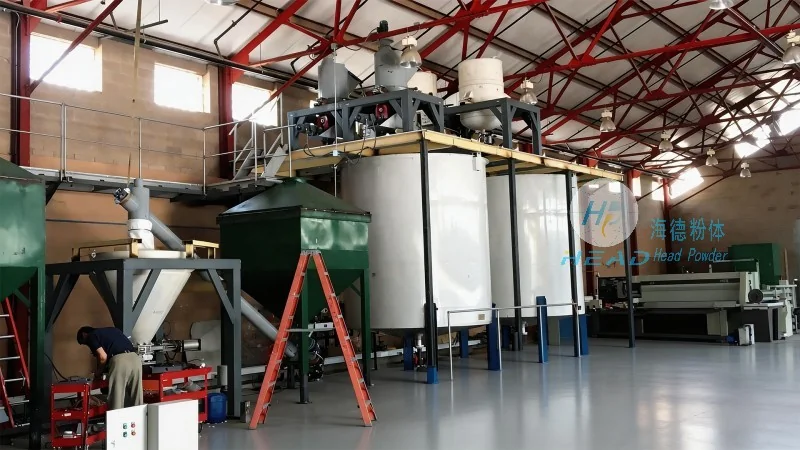
Working Principle of the Pneumatic Conveying Process
The core of the pneumatic conveying process involves the creation of a gas-solid flow within the conveying line. When compressed air is introduced into the hopper, it lifts the powder particles and propels them through the ducts. The air velocity is carefully controlled to maintain a dilute or dense phase flow, depending on the application requirements. In dilute phase conveying, the powder is suspended in the air stream and transported at high speeds, while in dense phase conveying, the powder is carried in a slurry-like state at lower velocities. This flexibility allows the system to handle various powder characteristics, including fine, abrasive, or hygroscopic materials.
Operation Process: Step-by-Step Guide
The operation of the powder electrolyte pneumatic conveying equipment follows a systematic process to ensure efficient material handling. The steps are as follows:
- Material Loading: The powder electrolyte is loaded into the hopper from a storage silo or container. The hopper is designed with a smooth interior to prevent material buildup and ensure consistent flow.
- Air Supply Initiation: The gas source (blower or compressor) is activated, and compressed air is introduced into the hopper. The air pressure is adjusted to the optimal level based on the powder's properties and the desired conveying distance.
- Powder Feeding: The feed valve is opened, allowing the powder to be drawn into the conveying line by the air flow. The feed rate is controlled to match the system's capacity and prevent overloading.
- Conveying: The powder particles are carried through the ducts by the air stream. The conveying line may include bends, elbows, or expansion joints to accommodate changes in direction or elevation. The air velocity is maintained above the minimum required to keep the powder suspended.
- Material Discharge: At the receiving end, the air flow is reduced or the pressure is vented, causing the powder to settle into the receiver. The receiver is equipped with a discharge valve to control the release of the material to the next processing stage.
- Air Exhaust: The exhaust air, which may carry fine powder particles, is filtered and cleaned before being released to the environment. This step ensures compliance with environmental regulations and prevents dust contamination.
Advantages of Pneumatic Conveying for Powder Electrolytes
Using pneumatic conveying equipment for powder electrolytes offers several advantages that make it a preferred choice in industrial settings. These benefits include:

- Reduced Contamination: The enclosed system prevents exposure to external contaminants, maintaining the purity of the powder electrolyte, which is critical for applications like battery production where impurities can affect performance.
- Lower Maintenance Costs: Unlike mechanical conveyors, pneumatic systems have fewer moving parts, reducing the risk of wear and tear and minimizing maintenance requirements.
- Improved Safety: The absence of mechanical components eliminates the risk of material entanglement or mechanical failure, enhancing workplace safety.
- Flexibility in Layout: Pneumatic conveying systems can be easily integrated into existing plant layouts, allowing for flexible and space-efficient material handling solutions.
- Efficient Material Transport: The system can handle long-distance transport with minimal energy consumption, making it cost-effective for large-scale operations.
Applications in Industrial Settings
Powder electrolyte pneumatic conveying equipment is widely used in various industrial applications where the transport of fine powders is essential. Some common applications include:
- Battery Manufacturing: Transporting electrolyte powders to battery cell production lines, ensuring consistent material supply for high-quality battery production.
- Chemical Processing: Conveying chemical powders used in the production of electrolytes, maintaining process efficiency and product quality.
- Pharmaceutical Industry: Handling pharmaceutical powders that require sterile and contamination-free transport, adhering to strict regulatory standards.
- Food Processing: Conveying food-grade electrolyte powders in food manufacturing facilities, ensuring hygiene and product safety.
Conclusion
HeadPowder's powder electrolyte pneumatic conveying equipment exemplifies advanced engineering and industrial efficiency. By understanding the operation process and working principles of such systems, industries can leverage the benefits of pneumatic conveying to enhance productivity, maintain product quality, and ensure compliance with safety and environmental regulations. With its robust design and reliable performance, this equipment is a valuable asset for any operation handling powder electrolytes.