

Operation Process and Working Principle of Polyvinylidene Fluoride (PVF) Pneumatic Conveying Equipme
HeadPowder, a leading manufacturer based in Shandong, China, specializes in the design and production of high-performance pneumatic conveying systems for various industrial applications. This article provides a detailed overview of the operation process and working principles of polyvinylidene fluoride (PVF) pneumatic conveying equipment, highlighting its key features, operational mechanisms, and the technical advantages it offers to industries requiring efficient material handling solutions.
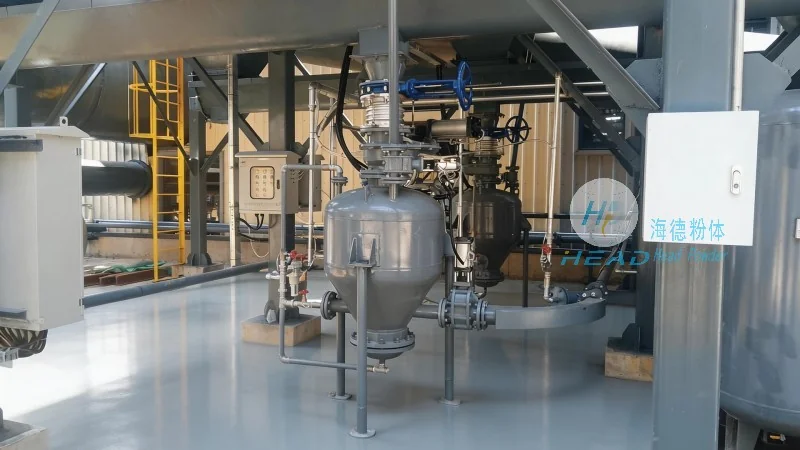
Key Features of PVF Pneumatic Conveying Systems
Polyvinylidene fluoride (PVF) is a fluoropolymer known for its exceptional chemical resistance, thermal stability, and mechanical strength. When incorporated into pneumatic conveying equipment, these properties translate into a system that can handle a wide range of materials, including corrosive, abrasive, and temperature-sensitive substances. The PVF material used in the construction of these systems ensures durability and long service life, reducing maintenance costs and downtime for users. Additionally, the smooth inner surfaces of PVF components minimize material buildup and clogging, enhancing the overall efficiency of the conveying process.
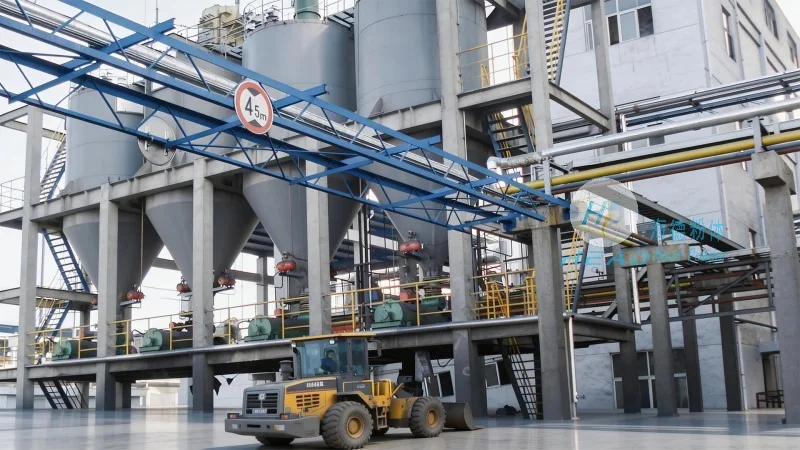
Working Principle of Pneumatic Conveying
The fundamental principle of pneumatic conveying involves the use of air or gas to transport bulk materials through a pipeline system. In PVF pneumatic conveying equipment, the process typically begins with the material being fed into a hopper or feeder. From there, the material is drawn into the conveying line by a vacuum or pressure source, depending on the system configuration. The air flow, controlled by a blower or compressor, propels the material through the pipeline, ensuring consistent and reliable transport. The system may include various components such as in-line mixers, filters, and separation units to optimize the conveying process and maintain material quality.
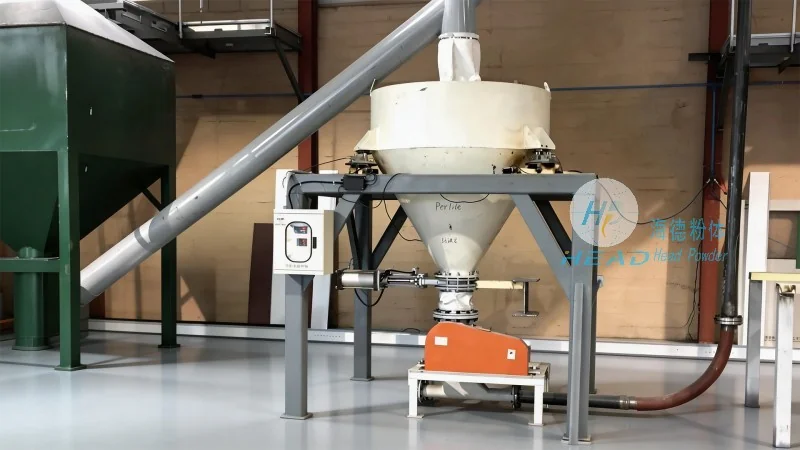
Operation Process: Step-by-Step Overview
The operation of a PVF pneumatic conveying system follows a systematic sequence to ensure efficient material transfer. Initially, the material is loaded into the storage hopper or silo. The feeder then regulates the flow rate of the material into the conveying line, preventing overloading and ensuring a steady supply. The blower or vacuum pump generates the necessary air pressure or suction to move the material through the pipeline. As the material travels, it may encounter in-line mixers or agitators that help maintain a uniform mixture, especially for materials that are prone to segregation. At the discharge end, the material is deposited into the receiving container or processing unit. The system may also include a filter or cyclone to separate any fine particles from the air stream, ensuring that the discharged material is clean and free from contaminants.
Technical Advantages and Applications
PVF pneumatic conveying equipment offers several technical advantages that make it suitable for diverse industrial applications. Its chemical resistance allows it to handle corrosive materials without degradation, while its thermal stability enables operation in environments with varying temperature conditions. The smooth surfaces of PVF components reduce friction and wear, extending the lifespan of the system. Additionally, the system's ability to handle fine powders and granules without clogging makes it ideal for pharmaceutical, food, and chemical industries. Industries such as pharmaceutical manufacturing, food processing, and chemical processing benefit from the hygienic design and easy cleaning features of PVF systems, which comply with stringent regulatory standards.
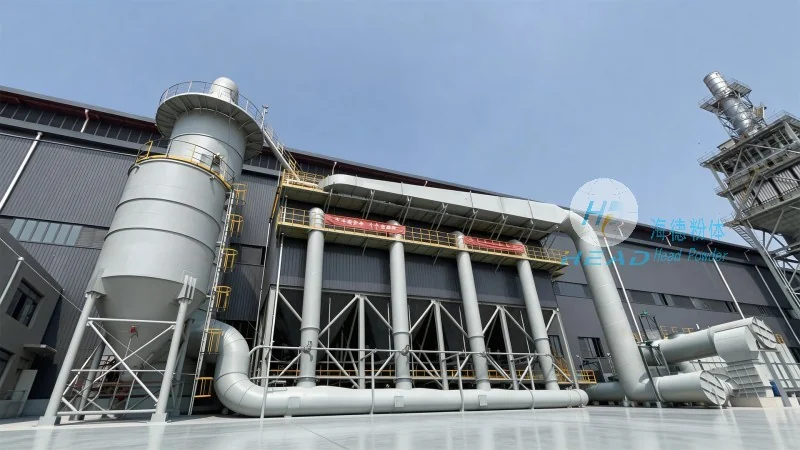
About HeadPowder Engineering Co., Ltd.
HeadPowder Engineering Co., Ltd., headquartered in Shandong, China, is a reputable company specializing in the research, development, and production of advanced pneumatic conveying systems. With a focus on innovation and quality, HeadPowder provides customized solutions tailored to the specific needs of clients across various industries. The company's commitment to using high-quality materials, such as polyvinylidene fluoride (PVF), ensures that its products meet international standards and deliver reliable performance. HeadPowder's team of experienced engineers and technicians work closely with clients to design and implement efficient material handling solutions that enhance productivity and reduce operational costs.