

Operation Process and Working Principle of Nitrogen-Protected Pneumatic Conveying Lines
HeadPowder, a leading engineering company based in Shandong, China, specializes in the design, manufacturing, and installation of advanced pneumatic conveying systems. Among their core offerings is the nitrogen-protected pneumatic conveying line, a sophisticated solution designed to ensure the safe and efficient transport of bulk materials in industrial applications. This article delves into the operation process and working principle of such systems, highlighting their key components, operational workflow, and the technological advantages they provide.
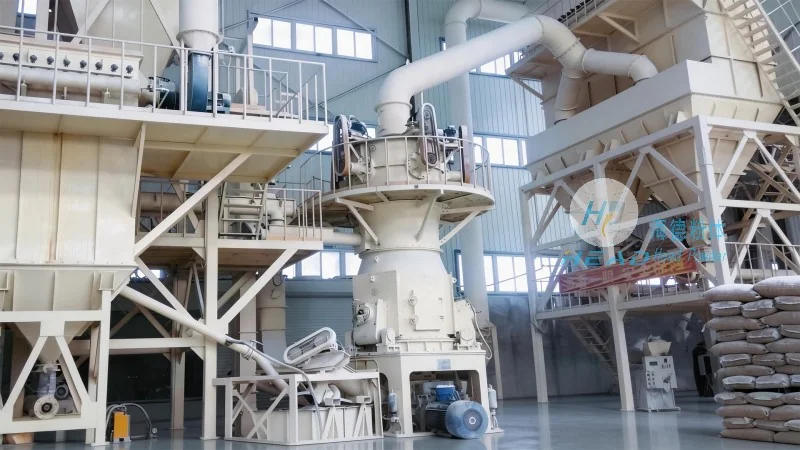
Key Components of a Nitrogen-Protected Pneumatic Conveying System
The nitrogen-protected pneumatic conveying line consists of several critical components that work in tandem to achieve reliable material transport. The primary elements include a material hopper, a rotary airlock feeder, a pneumatic conveying pipeline, a nitrogen gas supply system, and a receiving hopper. Each component plays a vital role in the overall system performance.
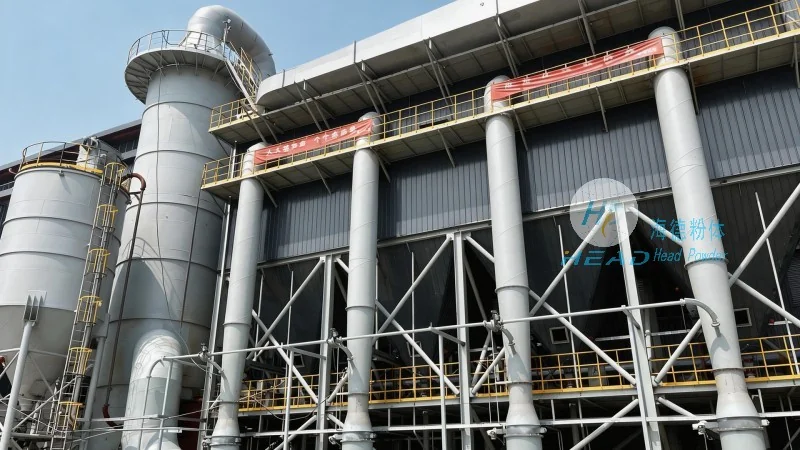
The material hopper is responsible for storing the bulk material to be conveyed. It is typically equipped with a level indicator to monitor the material inventory. The rotary airlock feeder, positioned at the bottom of the hopper, regulates the flow of material into the conveying pipeline. This component prevents backflow and ensures a consistent feed rate. The pneumatic conveying pipeline, often made of stainless steel or other corrosion-resistant materials, transports the material and air mixture. The nitrogen gas supply system provides a continuous flow of inert gas to maintain a protective atmosphere within the pipeline, preventing oxidation or contamination of the conveyed material. The receiving hopper collects the material at the destination point, completing the transport cycle.
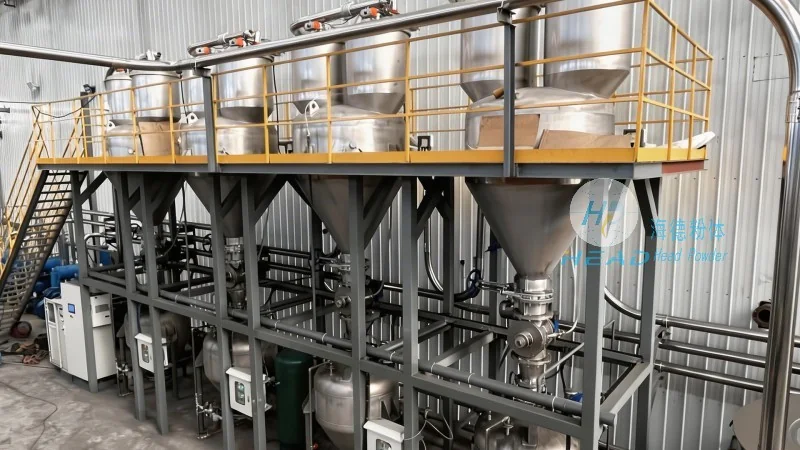
Working Principle of the Nitrogen-Protected Pneumatic Conveying Process
The operation of a nitrogen-protected pneumatic conveying line follows a systematic sequence of steps. The process begins with the material being loaded into the hopper. The rotary airlock feeder then starts to rotate, allowing material to pass into the pipeline at a controlled rate. Simultaneously, the nitrogen gas supply system injects a steady stream of nitrogen into the pipeline. The combination of the material feed and nitrogen gas creates a mixture that is propelled through the pipeline by the pressure of the nitrogen gas. The gas flow ensures that the material particles are suspended and transported efficiently to the receiving hopper. The receiving hopper collects the material, and the cycle repeats as needed. This continuous process minimizes material degradation, reduces dust emissions, and enhances overall system reliability.
Advantages of Nitrogen-Protected Pneumatic Conveying Lines
HeadPowder's nitrogen-protected pneumatic conveying lines offer several significant advantages over traditional conveying methods. The primary benefit is the protection of the conveyed material from oxidation, moisture, or contamination, which is critical for sensitive products such as food, pharmaceuticals, or chemicals. The inert nitrogen atmosphere also reduces the risk of fire or explosion in hazardous environments. Additionally, these systems provide high efficiency in material transport, with minimal downtime and maintenance requirements. The use of stainless steel components ensures durability and resistance to corrosion, extending the system's service life. Furthermore, the enclosed design of the pipeline minimizes dust emissions, contributing to a cleaner and safer working environment. These advantages make nitrogen-protected pneumatic conveying lines an ideal choice for industries requiring precise control over material handling and quality.
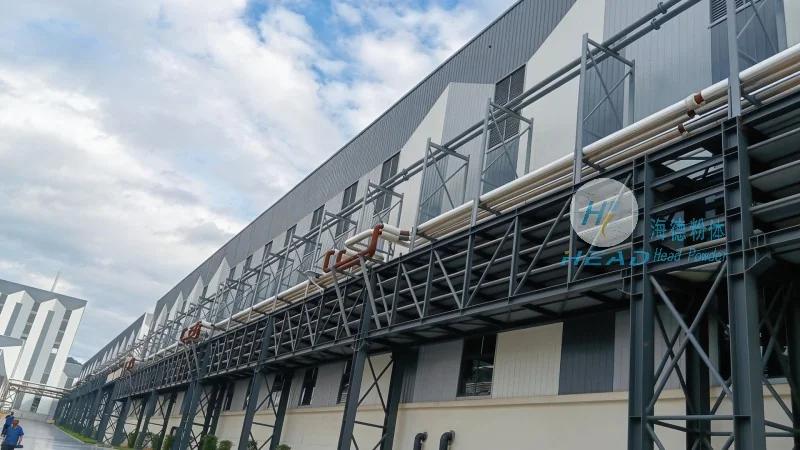
Applications and Industries
Nitrogen-protected pneumatic conveying lines are widely used across various industries, including food and beverage, pharmaceuticals, chemicals, and minerals processing. In the food industry, they are employed to transport ingredients like flour, sugar, or spices without compromising their quality or freshness. In pharmaceutical manufacturing, the system ensures that active pharmaceutical ingredients (APIs) are handled in a sterile and contamination-free environment. The chemical industry utilizes these systems for transporting reactive or sensitive chemicals, preventing unwanted reactions or degradation. Similarly, in the minerals and mining sector, nitrogen-protected conveying lines are used to transport raw materials such as ores or powders, maintaining their integrity during transport. The versatility and reliability of these systems make them suitable for a broad range of industrial applications.