

Operation Process and Working Principle of Tri-metal Material Pneumatic Conveying Equipment
Tri-metal material pneumatic conveying equipment is a specialized system designed for the efficient and safe transportation of tri-metal materials, such as those used in lithium-ion battery production. This equipment plays a crucial role in modern industrial processes, ensuring that raw materials are moved from storage to processing units with minimal loss and maximum efficiency. The operation process and working principle of such systems are fundamental to understanding their functionality and benefits.
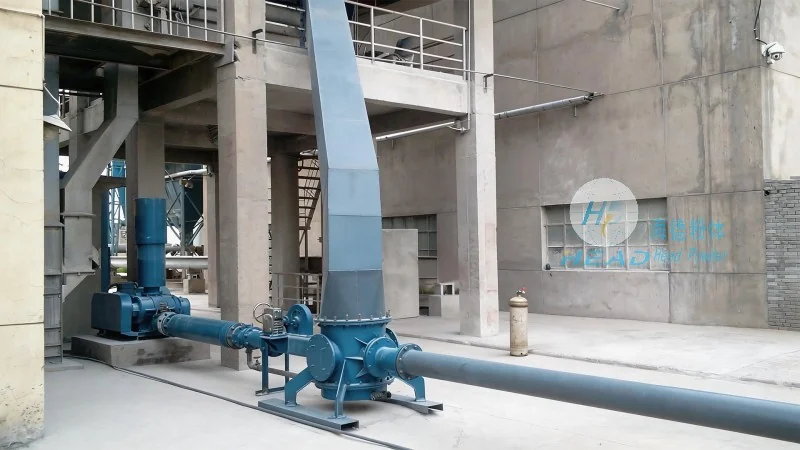
Company Profile: Shandong HeadPowder Engineering Co., Ltd.
HeadPowder, a leading manufacturer based in Shandong, China, specializes in the design, development, and production of advanced pneumatic conveying solutions. With a strong commitment to quality and innovation, the company has established itself as a trusted partner for industries requiring reliable material handling equipment. The headquarters is located in Shandong, China, where the company's engineering team continuously refines its products to meet evolving industry demands.
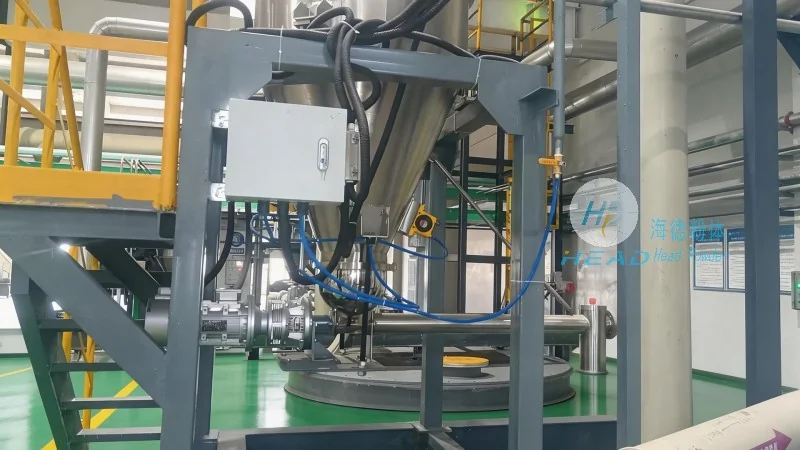
The Operation Process of Pneumatic Conveying Systems
The operation process of tri-metal material pneumatic conveying equipment typically involves several key steps. First, the tri-metal material is loaded into a hopper or storage bin. From there, the material is fed into the conveying line through a feeder mechanism, which controls the flow rate to maintain consistent pressure and velocity within the system. The conveying line, often made of stainless steel or other corrosion-resistant materials, transports the material using compressed air or gas as the driving force. The system may include components like cyclones, filters, and receivers to separate the material from the air stream and collect it at the destination. The entire process is automated, with sensors and controls monitoring pressure, flow, and other parameters to ensure smooth operation and prevent issues like blockages or material degradation.
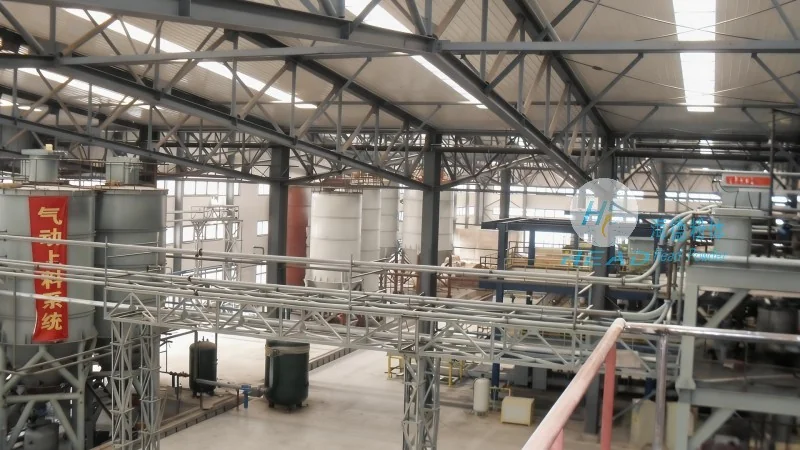
Working Principle of Pneumatic Conveying Equipment
The working principle of pneumatic conveying equipment relies on the fundamental physics of fluid dynamics. When compressed air is introduced into the conveying line, it creates a pressure differential that propels the tri-metal material forward. The velocity of the air stream must be sufficient to overcome the gravitational force acting on the material particles and to maintain a stable suspension. Different conveying modes, such as dilute phase and dense phase, are used depending on the material characteristics and required transport distance. Dilute phase conveying uses higher air velocities to keep particles suspended in the air stream, while dense phase conveying uses lower velocities to transport material in a more concentrated form, reducing the risk of particle degradation. The system's design, including the size of the conveying line, the type of feeder, and the placement of cyclones and filters, is optimized to achieve the desired performance and efficiency.
Key Features and Advantages of Tri-metal Material Pneumatic Conveying Equipment
Tri-metal material pneumatic conveying equipment from HeadPowder offers several key features and advantages that make it suitable for demanding industrial applications. One of the primary benefits is its ability to handle fine or abrasive materials without causing wear and tear on the equipment components. The use of corrosion-resistant materials, such as stainless steel, ensures long-term durability and minimal maintenance. The system's modular design allows for easy integration into existing production lines and scalability to accommodate increased material throughput. Additionally, the equipment is equipped with advanced control systems that provide real-time monitoring and diagnostics, enabling quick identification and resolution of issues. This not only improves operational efficiency but also reduces downtime and maintenance costs.
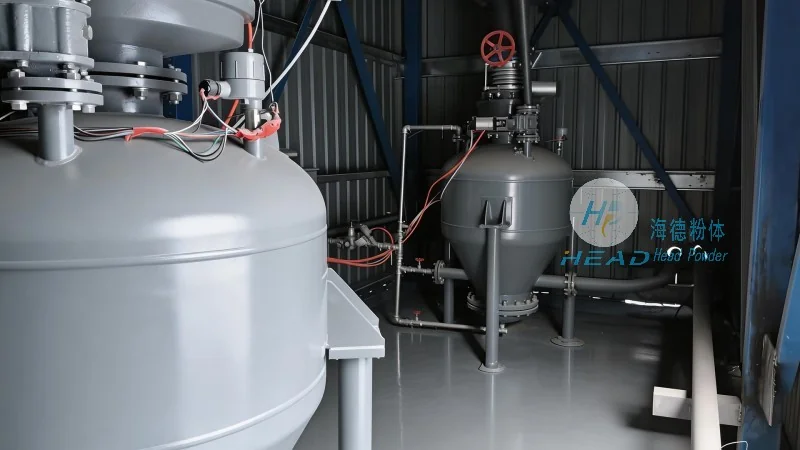
Applications and Industries Served by the Equipment
The tri-metal material pneumatic conveying equipment is widely used in various industries that rely on the efficient handling of tri-metal materials. These include the lithium-ion battery manufacturing sector, where materials like nickel, cobalt, and manganese are critical components. Other applications include the production of electric vehicle (EV) batteries, where precise material handling is essential for maintaining product quality and consistency. The equipment is also used in the chemical and pharmaceutical industries, where the handling of sensitive materials requires strict control over temperature, pressure, and contamination. By providing a reliable and efficient means of material transport, the equipment helps these industries improve their overall productivity and reduce operational costs.