

Operation Process and Working Principle of Sulfur Pneumatic Conveying Equipment
HeadPowder, a leading manufacturer based in Shandong, China, specializes in the design, production, and supply of advanced sulfur pneumatic conveying equipment. This equipment is engineered to efficiently transport sulfur in various industrial applications, ensuring reliable and safe material handling. The following sections will detail the operational process and working principles of these systems, highlighting their efficiency and technical advantages.
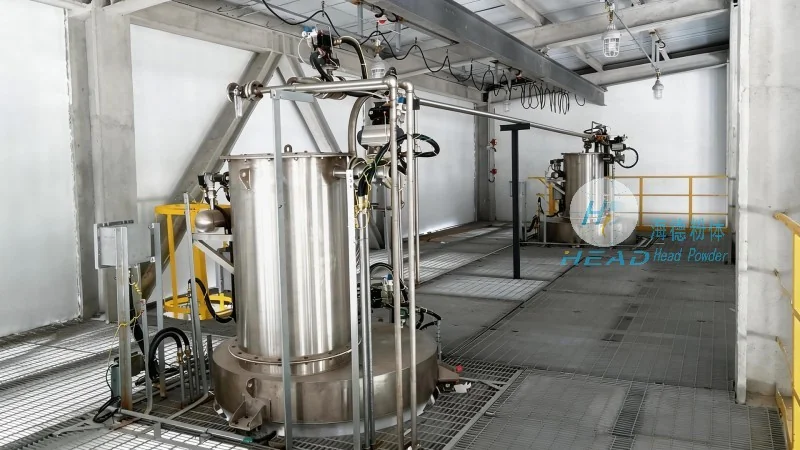
Overview of Sulfur Pneumatic Conveying Systems
Sulfur pneumatic conveying systems are essential in industries such as chemical processing, fertilizer production, and sulfur recovery. These systems utilize compressed air or other gases to transport sulfur particles from a source to a destination, eliminating the need for mechanical components like belts or buckets. The design of these systems is tailored to handle the unique properties of sulfur, including its density, flow characteristics, and potential for dust generation. By leveraging pneumatic technology, companies can achieve significant improvements in operational efficiency, safety, and environmental compliance.
The Core Components of Sulfur Pneumatic Conveying Equipment
The sulfur pneumatic conveying system consists of several key components that work in tandem to ensure smooth operation. These include the material feed hopper, the air compressor or blower, the conveying line (often equipped with bends and straight sections), and the receiving hopper or storage tank. Each component plays a critical role in the overall performance of the system. The feed hopper is designed to store and meter the sulfur, preventing blockages and ensuring a consistent flow rate. The air compressor generates the necessary pressure to move the sulfur particles through the conveying line. The conveying line, typically made of stainless steel or other corrosion-resistant materials, is configured to minimize pressure loss and prevent material degradation. The receiving hopper collects the sulfur at the destination, allowing for further processing or storage.
Step-by-Step Operation Process of Sulfur Pneumatic Conveying
The operation of a sulfur pneumatic conveying system follows a systematic sequence of steps, each designed to optimize material transport and system performance. The process begins with the loading of sulfur into the feed hopper. The hopper is equipped with a feeder mechanism, such as a rotary valve or a screw feeder, which controls the flow of sulfur into the conveying line. Simultaneously, the air compressor starts operating, generating a flow of compressed air. The compressed air is introduced into the conveying line at the feed end, creating a positive pressure that propels the sulfur particles forward. As the sulfur particles enter the conveying line, they are suspended in the air stream and transported to the receiving hopper. The air and sulfur mixture continues to move through the system until it reaches the destination, where the receiving hopper collects the sulfur and the air is either vented or recycled. The entire process is automated, with sensors and control systems monitoring key parameters such as pressure, flow rate, and material level to ensure optimal performance and prevent system failures.
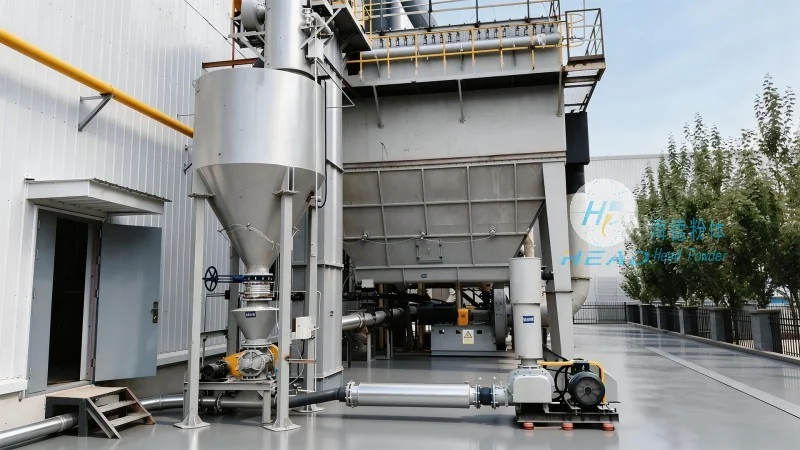
Working Principle of Pneumatic Conveying for Sulfur
The working principle of sulfur pneumatic conveying is based on the fundamental physics of fluid dynamics and particle motion. When compressed air is introduced into the conveying line, it creates a high-velocity air stream that entrains the sulfur particles. The air stream provides the necessary momentum to move the particles through the system. The key to efficient conveying is maintaining a balance between the air velocity and the particle size and density. If the air velocity is too low, the particles may settle and cause blockages. If the velocity is too high, excessive energy consumption and potential wear on the system components may occur. Advanced sulfur pneumatic conveying systems utilize computational fluid dynamics (CFD) and other simulation techniques to optimize the air velocity and system design for specific sulfur characteristics. This ensures that the system operates at peak efficiency, minimizing energy consumption and maximizing material throughput.
Advantages of Sulfur Pneumatic Conveying Equipment
Sulfur pneumatic conveying equipment offers several advantages over traditional mechanical conveying methods. One of the primary benefits is the elimination of mechanical components, which reduces maintenance costs and the risk of mechanical failure. The system is also highly flexible, allowing for changes in the conveying route or destination without major modifications. Additionally, pneumatic conveying systems are more hygienic and safer, as they minimize direct human contact with sulfur and reduce the risk of dust explosions. The use of corrosion-resistant materials in the construction of the conveying line ensures long-term durability, even in harsh chemical environments. These advantages make sulfur pneumatic conveying equipment an ideal solution for industries requiring reliable, efficient, and safe material handling of sulfur.
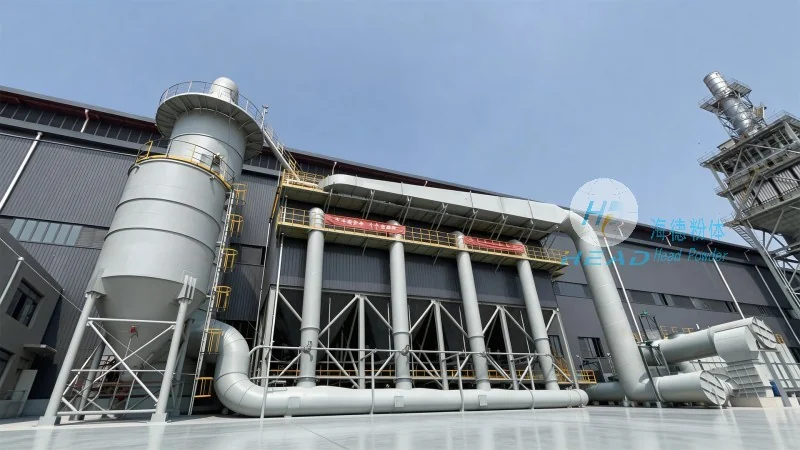
Application Examples in Industrial Settings
Sulfur pneumatic conveying systems are widely used in various industrial applications. In the chemical industry, these systems are employed to transport sulfur from storage tanks to reactors or processing units. In fertilizer production, they are used to convey sulfur granules to mixing and packaging lines. In sulfur recovery plants, pneumatic conveying is critical for transporting sulfur from the recovery unit to storage or further processing. The versatility of the system allows it to be adapted to different process requirements, including high-volume and low-volume applications. By integrating with existing industrial processes, sulfur pneumatic conveying equipment enhances overall operational efficiency and reduces downtime.
Maintenance and Operational Considerations
Proper maintenance and operational considerations are essential to ensure the long-term performance and reliability of sulfur pneumatic conveying equipment. Regular inspections of the feed hopper, conveying line, and receiving hopper are necessary to detect and address any potential issues such as blockages or wear. The air compressor and blower should be checked regularly for proper operation and energy efficiency. Filters and separators are critical components that need to be maintained to prevent dust accumulation and ensure clean air flow. The system should also be equipped with safety features, such as pressure relief valves and dust suppression systems, to protect against overpressure and dust explosions. By following recommended maintenance schedules and operational guidelines, companies can maximize the lifespan of their sulfur pneumatic conveying equipment and minimize operational costs.
Conclusion
Sulfur pneumatic conveying equipment, as provided by HeadPowder, represents a sophisticated solution for efficient and safe sulfur transport in industrial applications. The detailed operation process and working principles outlined above demonstrate the technical advancements and practical benefits of these systems. By leveraging advanced design and engineering, HeadPowder's sulfur pneumatic conveying equipment ensures reliable performance, energy efficiency, and compliance with industry standards. For industries requiring dependable material handling solutions, sulfur pneumatic conveying equipment from HeadPowder is a superior choice.