

Introduction to Denitrification Urea Pneumatic Conveying: Structural Principles and Operation
Shandong HeadPowder Engineering Co., Ltd., a leading enterprise based in Shandong, China, specializes in the design, manufacturing, and supply of advanced pneumatic conveying systems tailored for industrial applications. The company's expertise lies in optimizing material handling processes, particularly for denitrification urea, a critical component in flue gas desulfurization and nitrogen oxide reduction systems. This article provides an overview of the denitrification urea pneumatic conveying system, detailing its structural design and operational principles to help users understand its functionality and benefits.
System Overview and Structural Components
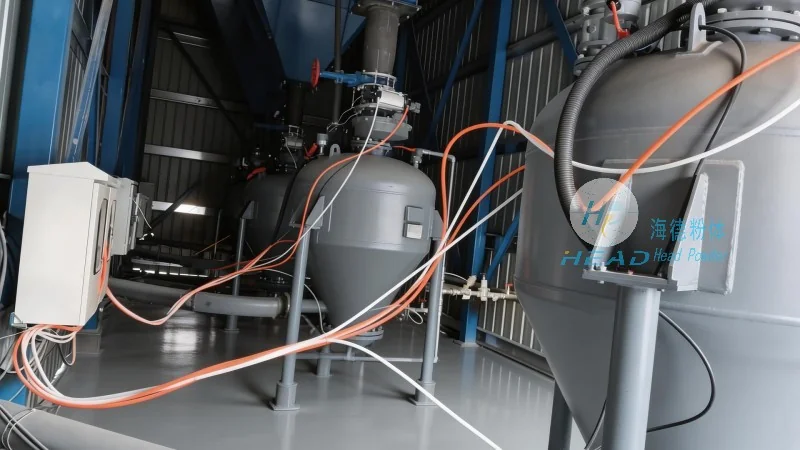
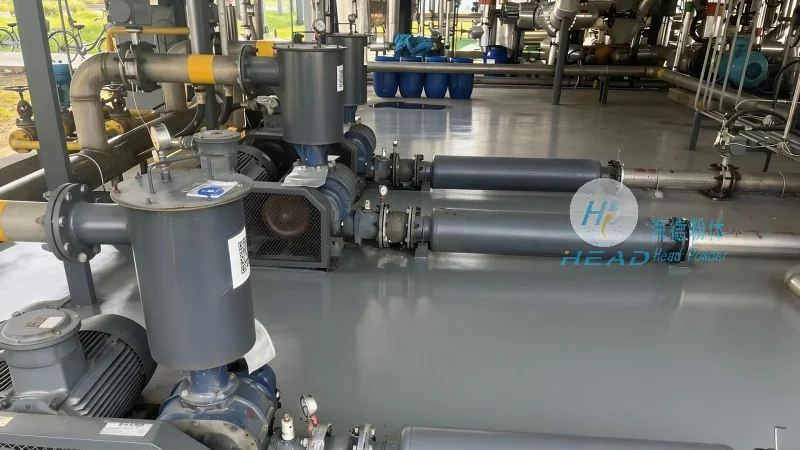
The denitrification urea pneumatic conveying system is engineered to efficiently transport urea, a key reagent in selective catalytic reduction (SCR) processes used for reducing nitrogen oxides (NOx) in industrial exhaust gases. The system typically comprises several core components, including a storage silo, a feeder, a conveying pipeline, a control unit, and a discharge hopper. Each component is designed to work in tandem to ensure reliable and continuous material transport. The storage silo is equipped with a level indicator and a discharge valve to regulate the flow of urea from the bulk storage. The feeder, often a rotary or screw type, accurately measures and meters the urea feed rate, which is crucial for maintaining consistent NOx reduction efficiency. The conveying pipeline, made from corrosion-resistant materials such as stainless steel or special alloys, is designed to handle the abrasive nature of urea and prevent clogging or degradation. The control unit monitors and adjusts the system parameters, such as air pressure and flow rate, to optimize performance and prevent operational issues. The discharge hopper collects the conveyed urea and directs it to the downstream processing equipment, ensuring a smooth transition to the next stage of the SCR system.
Working Principle and Operational Mechanism
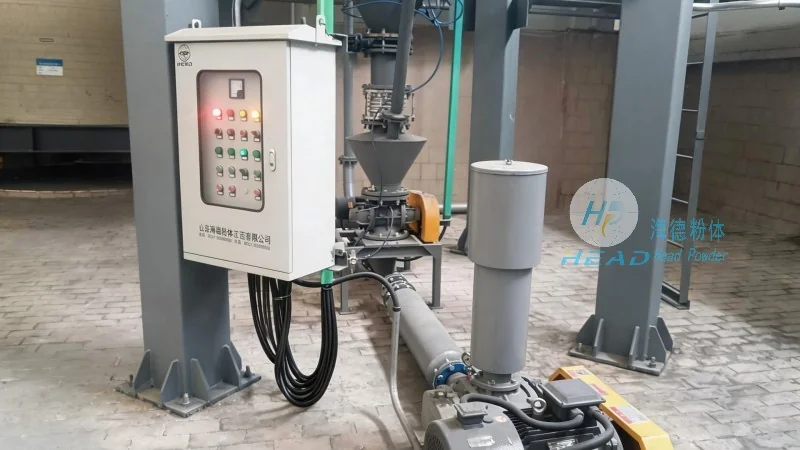
The pneumatic conveying system operates on the principle of air movement to transport solid materials. In the case of denitrification urea, the system uses a positive pressure or negative pressure (or a combination of both) to move the urea particles through the pipeline. The positive pressure system, also known as dilute phase conveying, uses high-velocity air to suspend the urea particles and transport them through the pipeline. The air velocity is maintained above the minimum fluidization velocity to ensure that the particles remain in suspension and do not settle. The negative pressure system, or dense phase conveying, uses lower air velocities and higher air volumes to move the urea in a more compact form, reducing the risk of particle degradation and pipeline wear. The system's control unit continuously monitors the pressure, flow rate, and particle concentration in the pipeline, adjusting the air supply to maintain optimal conveying conditions. This dynamic control ensures that the urea is transported efficiently and without damage, preserving its quality for the SCR process.

Advantages and Applications
The denitrification urea pneumatic conveying system offers several advantages over traditional bulk handling methods, such as bucket elevators or belt conveyors. These advantages include reduced material degradation, lower maintenance costs, and improved safety due to enclosed systems. The system is particularly suitable for industrial facilities that require precise control over urea feed rates, as it allows for accurate metering and consistent delivery to the SCR reactor. Additionally, the enclosed design minimizes dust emissions and environmental impact, aligning with modern industrial standards for pollution control. The system's flexibility allows it to be integrated into existing SCR systems or new installations, providing a cost-effective solution for upgrading or expanding nitrogen oxide reduction capabilities.