

Introduction to and Structural Principles of Garbage Pneumatic Conveying Systems
Garbage pneumatic conveying systems represent a sophisticated method for transporting solid waste materials through a network of pipes using air pressure. This technology has become increasingly vital in modern waste management, offering efficient solutions for the movement of refuse from collection points to processing facilities. The system's design integrates several key components that work in concert to ensure reliable and effective operation.
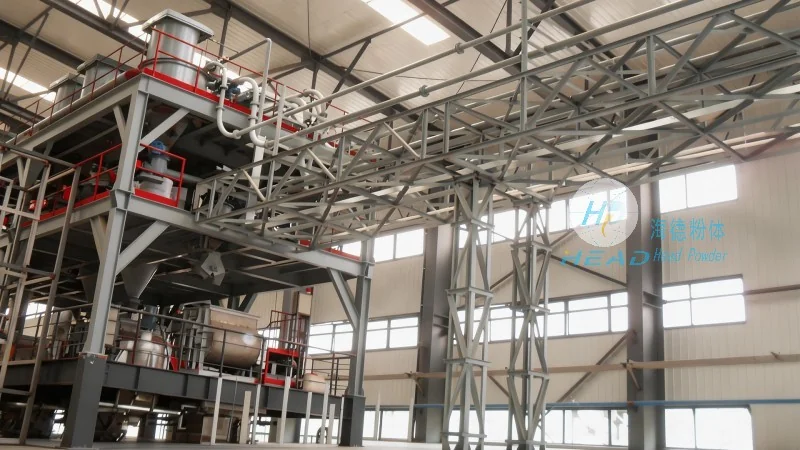
Core Components and Structural Design
The fundamental structure of a garbage pneumatic conveying system typically comprises a series of interconnected elements. At the heart of the system is the air supply unit, which generates the necessary pressure to propel the waste particles through the pipeline. This unit may include a blower or compressor, depending on the system's capacity and operational requirements. The pipeline network forms the backbone of the system, with materials ranging from flexible hoses to rigid metal pipes, selected based on factors such as the type of waste, distance to be conveyed, and system pressure.
Another critical component is the feeding mechanism, which introduces the waste into the system. This may involve hoppers, rotary valves, or other feeding devices that ensure a consistent flow of material into the pipeline. The system also includes control valves and dampers that regulate the air flow and pressure, allowing for adjustments to accommodate varying waste volumes or operational conditions. Additionally, the system may incorporate cleaning mechanisms, such as reverse air pulses or mechanical cleaning tools, to maintain the integrity of the pipeline and prevent blockages.
Principles of Operation and Material Handling
The operational principle of a garbage pneumatic conveying system is based on the movement of air and waste particles within the pipeline. In a typical system, the air supply creates a pressure differential, causing the air to flow through the pipe while carrying the waste particles along with it. This process, known as pneumatic transport, can be categorized into two main types: positive pressure and negative pressure systems. Positive pressure systems use compressed air to push the material forward, while negative pressure systems employ suction to draw the material into the pipeline.
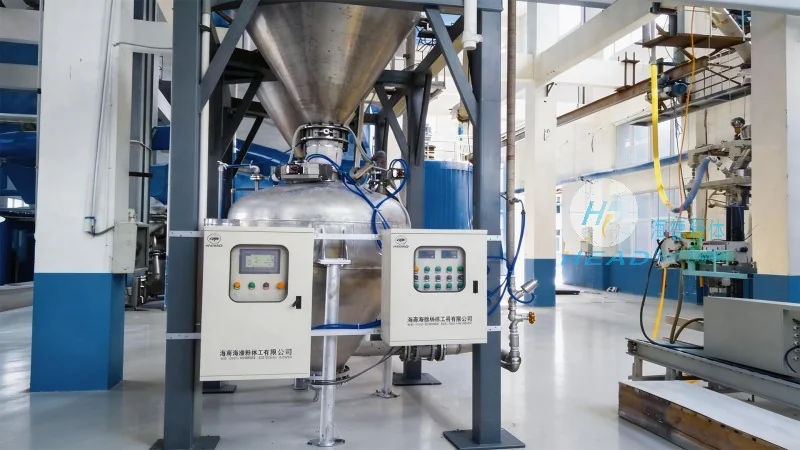
The choice between these systems depends on several factors, including the distance to be covered, the type of waste (e.g., dry or wet), and the required flow rate. For instance, positive pressure systems are often preferred for long-distance or high-volume applications, as they can maintain consistent pressure and flow. Negative pressure systems, on the other hand, are suitable for shorter distances or applications where dust control is a priority, as they minimize the release of airborne particles.
The material handling capabilities of these systems are influenced by the particle size, density, and moisture content of the waste. Larger or denser particles may require higher air velocities or more robust feeding mechanisms to ensure efficient transport. Conversely, smaller or lighter particles can be conveyed with lower air pressures, reducing energy consumption. The system's design must account for these variables to optimize performance and minimize operational costs.
Applications and Benefits in Waste Management
Garbage pneumatic conveying systems find extensive applications in various waste management scenarios. They are commonly used in municipal solid waste (MSW) collection and processing facilities, where they facilitate the transfer of waste from collection trucks to sorting or composting equipment. The systems are also employed in industrial settings, such as food processing plants or manufacturing facilities, to handle organic waste or byproducts that require efficient disposal.
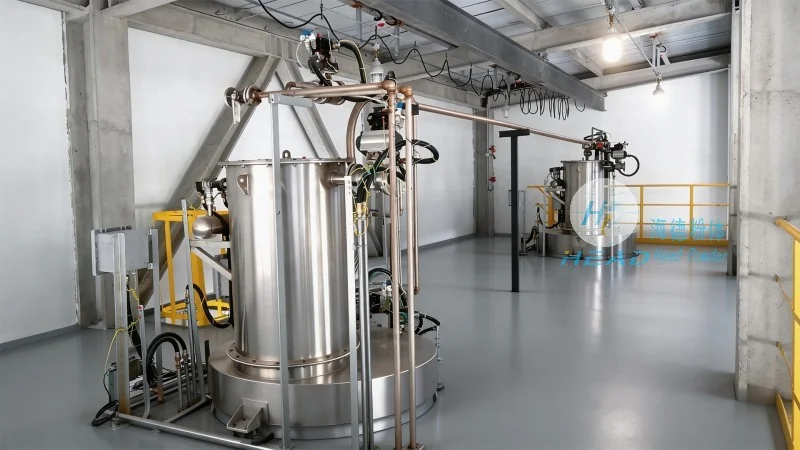
The benefits of using pneumatic conveying systems in waste management are multifaceted. One of the primary advantages is the ability to transport waste over long distances without the need for manual handling or additional machinery. This reduces labor costs and improves safety by minimizing the exposure of workers to hazardous materials. Additionally, the enclosed pipeline system helps to control dust and odors, contributing to better environmental and occupational health conditions.
Another significant benefit is the flexibility of the system, which allows for easy integration with existing waste management infrastructure. The modular design of the components enables adjustments to be made as waste volumes or processing requirements change, ensuring long-term operational efficiency. Furthermore, the energy efficiency of modern pneumatic conveying systems, particularly when optimized for specific waste types, can lead to substantial cost savings over time.
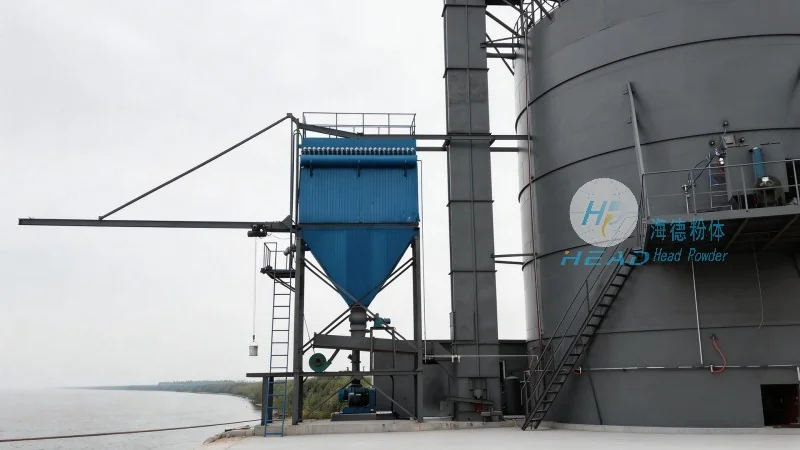
Company Profile: Shandong HeadPowder Engineering Co., Ltd.
Shandong HeadPowder Engineering Co., Ltd., operating under the brand name headpowder, is a leading provider of specialized engineering solutions for waste management and material handling. With a strong presence in China, particularly in Shandong province, the company has established itself as a trusted partner in the design, manufacturing, and installation of garbage pneumatic conveying systems. The company's expertise lies in tailoring systems to meet the unique needs of clients, ensuring that each solution is optimized for performance, reliability, and cost-effectiveness.
HeadPowder's commitment to quality and innovation is reflected in its state-of-the-art manufacturing facilities and rigorous quality control processes. The company employs a team of experienced engineers and technicians who specialize in pneumatic conveying technology, providing comprehensive support from initial consultation to long-term maintenance. By leveraging advanced design software and industry best practices, HeadPowder ensures that its systems meet the highest standards of efficiency and durability.
The company's focus on customer satisfaction and sustainable solutions has earned it a reputation for excellence in the industry. Clients benefit from personalized service and tailored solutions that address their specific waste management challenges. Whether for municipal or industrial applications, HeadPowder's garbage pneumatic conveying systems offer reliable performance and contribute to more effective waste handling processes.