

Introduction to Carbonaceous Pneumatic Conveying Systems: Structure and Working Principles
HeadPowder, a leading provider of industrial conveying solutions, specializes in carbonaceous material handling technologies. This article provides an overview of the carbonaceous pneumatic conveying system, detailing its structural components and operational principles.
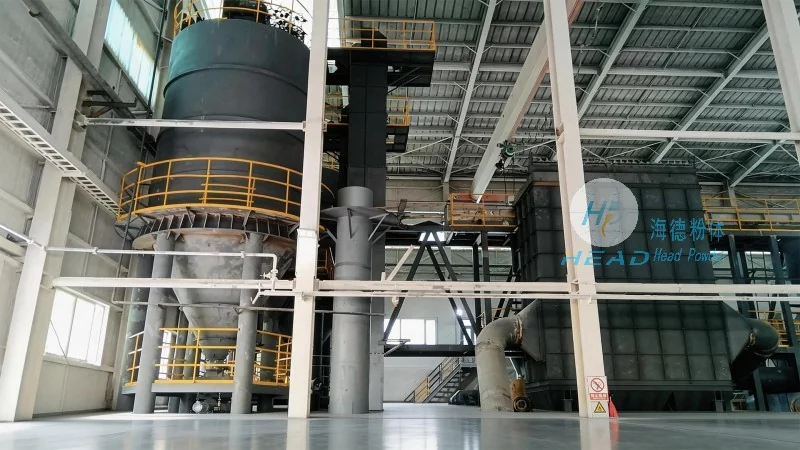
Company Profile and Background
HeadPowder, or Shandong HeadPowder Engineering Co., Ltd., is headquartered in Shandong, China. The company has established itself as a trusted manufacturer and supplier of advanced pneumatic conveying systems, particularly for carbon-based materials such as graphite, carbon black, and activated carbon. With a focus on innovation and precision engineering, HeadPowder delivers reliable solutions tailored to the unique demands of the carbon industry.
Overview of Carbonaceous Pneumatic Conveying Systems
A carbonaceous pneumatic conveying system is a method of transporting bulk carbon materials through a pipeline using compressed air or other gas as the conveying medium. This technology is widely used in the carbon industry to efficiently move materials from storage to processing units, or between different stages of production. The system combines the advantages of pneumatic transport—such as low maintenance, minimal product contamination, and the ability to handle a wide range of particle sizes—with the specific requirements of carbon-based materials.
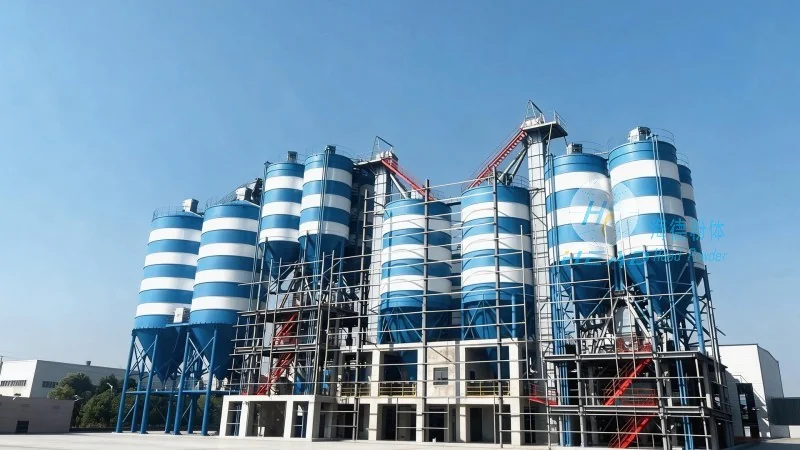
Key Structural Components of the System
The carbonaceous pneumatic conveying system consists of several critical components that work in tandem to ensure efficient material transport. These components include:
- Feed Hopper: A container that holds the carbon material to be conveyed. It is designed to provide a consistent flow of material to the system, often equipped with a gate valve or rotary valve to control the discharge rate.
- Conveying Pipeline: The main tube through which the material and air travel. The pipeline is typically made of durable materials like stainless steel or special alloys to withstand the abrasive nature of carbon particles and the effects of compressed air.
- Compressor and Air Treatment Unit: This component generates the compressed air or gas needed to move the material. It may include filters, dryers, and regulators to ensure the air quality is suitable for conveying carbon materials without causing degradation or contamination.
- Control Valves and Regulators: These devices manage the flow of air and material, allowing for precise control over the conveying process. They can adjust pressure, flow rate, and direction to optimize performance and prevent system overload.
- Receiver or Discharge Hopper: The final container where the conveyed carbon material is deposited. It is designed to collect the material efficiently and may include features like a level indicator or discharge valve for downstream processing.
Working Principles of the Pneumatic Conveying Process
The operation of a carbonaceous pneumatic conveying system involves several key steps. First, the carbon material is fed from the hopper into the pipeline. Simultaneously, compressed air is introduced at the inlet of the pipeline. The air and material mix, creating a slurry-like flow that moves through the pipeline due to the pressure differential. The system may use either positive pressure (air pushing the material) or negative pressure (air pulling the material) depending on the application and system design. As the mixture travels, the air and material separate at the discharge end, with the carbon material settling into the receiver and the air being exhausted or recirculated.
Advantages of Carbonaceous Pneumatic Conveying Systems
Carbonaceous pneumatic conveying systems offer several benefits that make them ideal for handling carbon materials. These include:
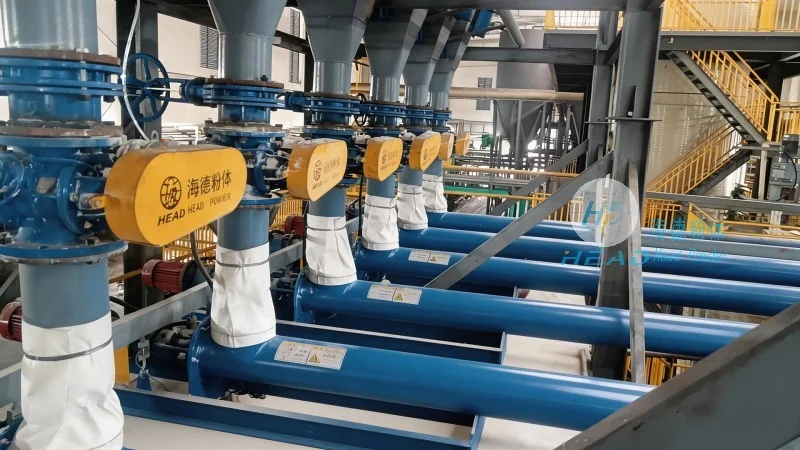
- Efficient Material Handling: The system can transport carbon materials over long distances with minimal energy consumption compared to other methods like belt conveyors or bucket elevators.
- Low Maintenance: With fewer moving parts compared to mechanical systems, the pneumatic system requires less maintenance, reducing downtime and operational costs.
- Product Protection: The enclosed pipeline prevents contamination from dust, moisture, or other external factors, maintaining the quality and purity of the carbon material.
- Flexibility in Layout: The system can be easily integrated into existing production layouts, allowing for flexible installation and reconfiguration as production needs change.
- Scalability: HeadPowder's systems can be customized to handle varying material volumes and particle sizes, making them suitable for both small-scale and large-scale carbon processing operations.
Applications in the Carbon Industry
Carbonaceous pneumatic conveying systems are widely used in various applications within the carbon industry. These include:
- Graphite Processing: Transporting graphite powder from raw material storage to grinding and refining units.
- Carbon Black Handling: Moving carbon black from production reactors to storage silos or downstream applications like rubber and plastic manufacturing.
- Activated Carbon Production: Conveying raw materials or finished activated carbon between processing stages, such as drying, screening, and packaging.
- Industrial Carbon Recycling: Transporting recycled carbon materials from waste streams to reprocessing facilities.
Conclusion
Carbonaceous pneumatic conveying systems, as exemplified by the solutions offered by Shandong HeadPowder Engineering Co., Ltd., represent a sophisticated and efficient method for handling carbon-based materials. By understanding the structural components and operational principles of these systems, industries can optimize their material transport processes, enhance productivity, and maintain product quality. HeadPowder's expertise in designing and manufacturing these systems ensures that clients receive reliable, high-performance solutions tailored to their specific carbon material handling needs.