

Introduction to Automatic Tote Bag Feeding Pneumatic Conveying System: Structure and Working Princip
HeadPowder, a leading manufacturer based in Shandong, China, specializes in the design and production of advanced pneumatic conveying systems. This article provides an overview of the automatic tote bag feeding pneumatic conveying system, detailing its structure and operational principles to help users understand its functionality and benefits.
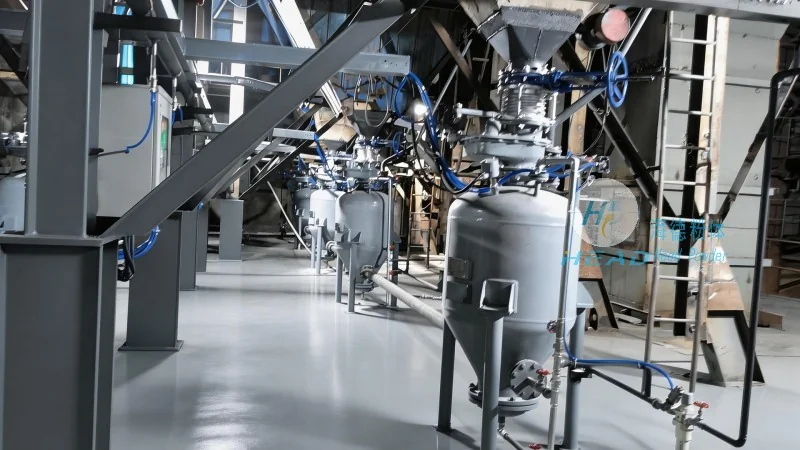
Overview of the Automatic Tote Bag Feeding Pneumatic Conveying System
The automatic tote bag feeding pneumatic conveying system is a sophisticated piece of equipment engineered to efficiently handle bulk material transfer from tote bags into processing lines. It integrates automated feeding mechanisms with pneumatic conveying technology, ensuring seamless and reliable material movement. This system is particularly suitable for industries dealing with powders, granules, or other bulk solids that require consistent and controlled feeding.
Key Components and Structure of the System
The system comprises several critical components that work in tandem to achieve effective material transfer. The main parts include the tote bag opening and feeding unit, the pneumatic conveying pipeline, the material separation and collection system, and the control panel. Each component is designed to perform specific functions, contributing to the overall efficiency of the system.
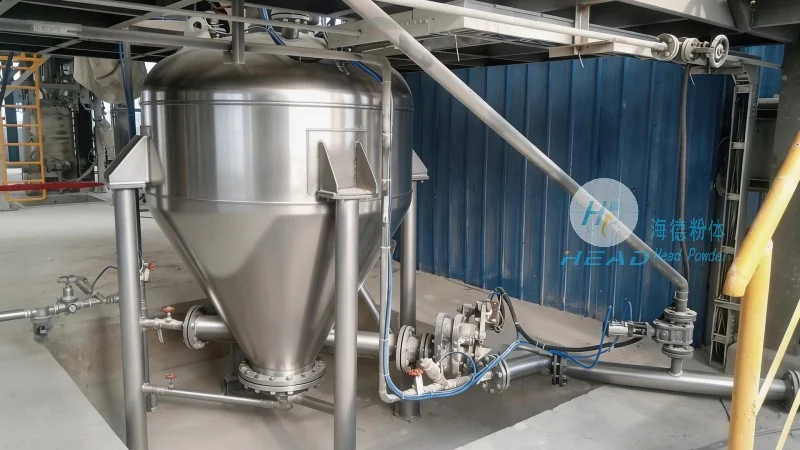
1. Tote Bag Opening and Feeding Unit: This component is responsible for opening the tote bag and delivering the material into the conveying system. It typically features a mechanical or pneumatic opening mechanism that safely and efficiently extracts the material without causing spillage or contamination. The feeding unit may include a hopper or a conveyor that transports the material from the bag to the inlet of the conveying pipeline.
2. Pneumatic Conveying Pipeline: The pipeline is the core of the system, responsible for transporting the material through the air. It consists of a series of pipes, valves, and ducts that create a pressure differential to move the material. The pipeline design is crucial for ensuring minimal material degradation and efficient flow, with considerations such as pipe diameter, length, and the type of air flow (positive or negative pressure) being critical factors.
3. Material Separation and Collection System: After the material is conveyed to the processing point, it needs to be separated from the air and collected. This system includes filters, cyclones, or other separation devices that capture the material while allowing the air to be recirculated or discharged. The design of this system is essential for maintaining material purity and preventing dust emissions.
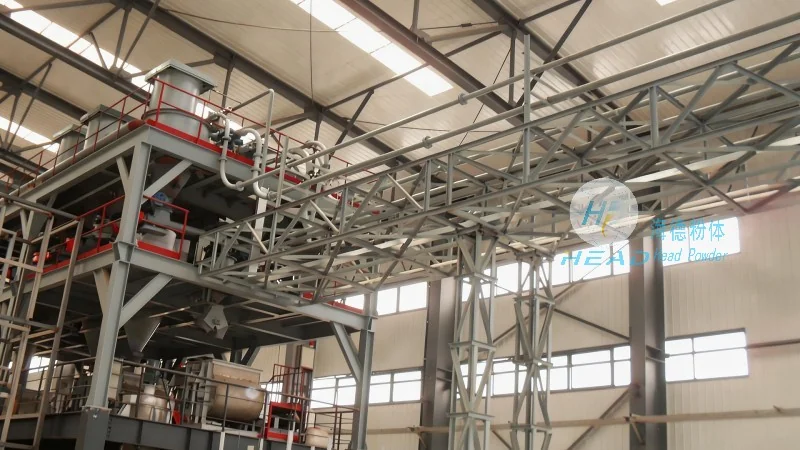
4. Control Panel: The control panel houses the electronic controls and sensors that monitor and regulate the system's operation. It allows operators to start, stop, and adjust the system parameters, such as flow rate, pressure, and feeding speed. The control panel may also include safety features to prevent overloading or other malfunctions.
Working Principle of the System
The operation of the automatic tote bag feeding pneumatic conveying system follows a systematic process. The sequence typically begins with the placement of a tote bag at the feeding station. The system then automatically opens the bag and starts the feeding process. The material is then drawn into the conveying pipeline by the air flow, which transports it to the processing location. At the receiving end, the material is separated from the air and collected in a hopper or storage bin. The control panel continuously monitors the system's performance, ensuring that the process runs smoothly and efficiently.
The system operates on the principle of pneumatic conveying, which uses air to move the material. In positive pressure systems, air is forced through the pipeline, pushing the material along. In negative pressure systems, air is drawn out of the pipeline, creating a vacuum that pulls the material in. The choice of system depends on the material characteristics, such as its density, moisture content, and flowability.
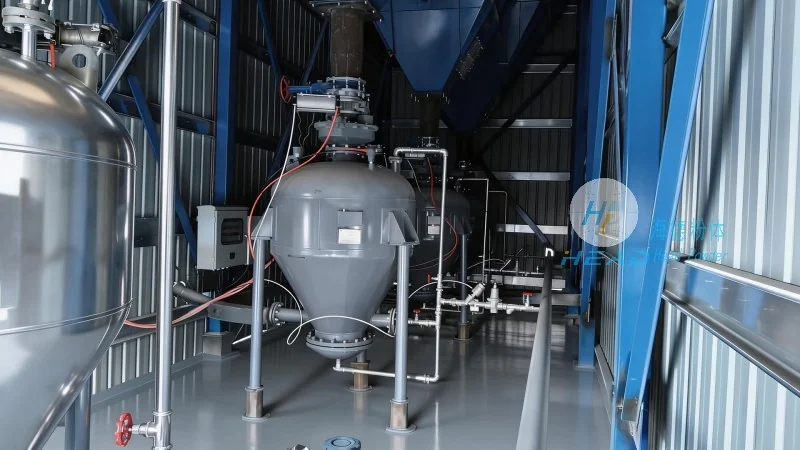
Advantages and Applications
The automatic tote bag feeding pneumatic conveying system offers several advantages over traditional material handling methods. It provides a clean and dust-free transfer process, reducing the risk of contamination and improving product quality. The system is also highly efficient, with minimal material loss and reduced labor requirements. Additionally, it can handle a wide range of materials, from fine powders to coarse granules, making it versatile for various industrial applications.
Applications of this system include pharmaceutical manufacturing, food processing, chemical production, and other industries that require precise and controlled material feeding. It is particularly useful in environments where hygiene and safety are critical, as the system can be designed to meet stringent regulatory requirements.