

Introduction to Small Bag Pneumatic Conveying Systems: Structure and Working Principles
Small bag pneumatic conveying systems represent a sophisticated and efficient method for transporting bulk materials over short to medium distances. These systems are increasingly popular across various industries, including food processing, pharmaceuticals, and chemical manufacturing, due to their ability to handle diverse materials while maintaining product integrity and operational efficiency. The technology leverages compressed air to move material from a source to a destination, offering a flexible and hygienic alternative to traditional mechanical conveyors.
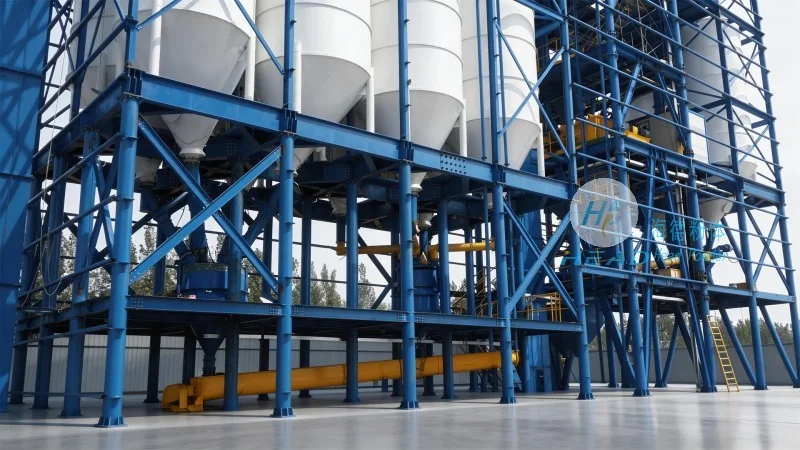
Core Components and Their Functions
The fundamental components of a small bag pneumatic conveying system include the material hopper, the airlock or feeder, the conveying line, and the receiving container. The hopper serves as the storage and feeding point for the bulk material, ensuring a consistent supply to the system. The airlock or feeder is a critical component that regulates the flow of material into the conveying line, preventing air leakage and maintaining system efficiency. It typically operates by releasing material in controlled bursts to match the air flow. The conveying line, which can be made of flexible tubing or rigid piping, transports the material using compressed air. The receiver is the final destination where the material is deposited, completing the transport process.
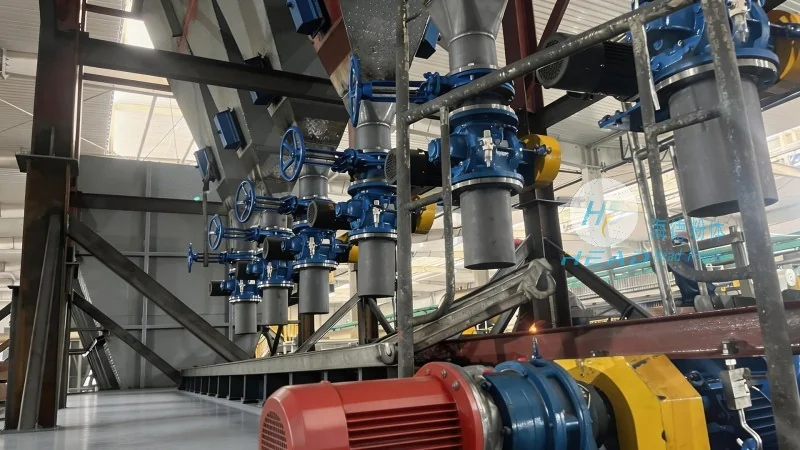
Operational Mechanism and Working Principles
The operation of a small bag pneumatic conveying system involves a sequence of steps that ensure efficient material transport. Initially, the material is drawn from the hopper into the airlock or feeder. The feeder then releases the material into the conveying line in a controlled manner. Compressed air is introduced into the line, creating a pressure differential that propels the material forward. The material is carried in a stream of air, often referred to as a "slug" or "slug flow," which allows for efficient movement. The receiver collects the material as it is deposited from the conveying line. To maintain air quality and system performance, the system may include a filter or cyclone to separate the material from the air, ensuring that the air is clean and can be recirculated or safely discharged.
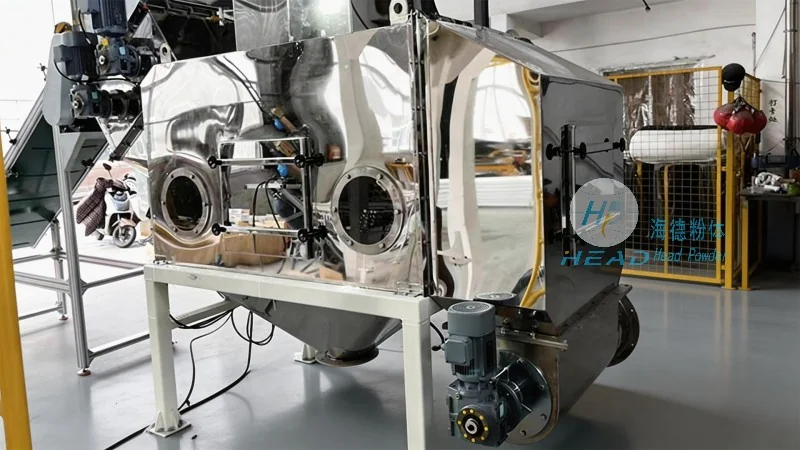
Advantages and Benefits
Small bag pneumatic conveying systems offer several distinct advantages over conventional conveyor systems. One key benefit is their ability to handle a wide variety of materials, including powders, granules, and fine particles. The system is also highly adaptable, allowing for adjustments in flow rates and distances without major modifications. Additionally, the enclosed design of the system helps maintain product hygiene and prevents contamination, which is essential in industries such as food and pharmaceuticals. The systems are compact and can be installed in limited spaces, making them suitable for various industrial settings. Furthermore, they can handle materials that are difficult to transport using mechanical means, such as those with high moisture content or abrasive properties.
Industrial Applications and Use Cases
Small bag pneumatic conveying systems are utilized in a broad range of applications across different sectors. In the food industry, they are commonly used to transport ingredients like flour, sugar, and spices. In the pharmaceutical industry, they are employed to handle active pharmaceutical ingredients (APIs) and other sensitive materials, ensuring that the products remain pure and uncontaminated. The chemical industry also relies on these systems for transporting powders and granules, particularly in processes involving hazardous or reactive materials. Other applications include the handling of agricultural products, such as grains and seeds, and in the manufacturing of cosmetics and personal care products, where consistent and hygienic material transport is critical.
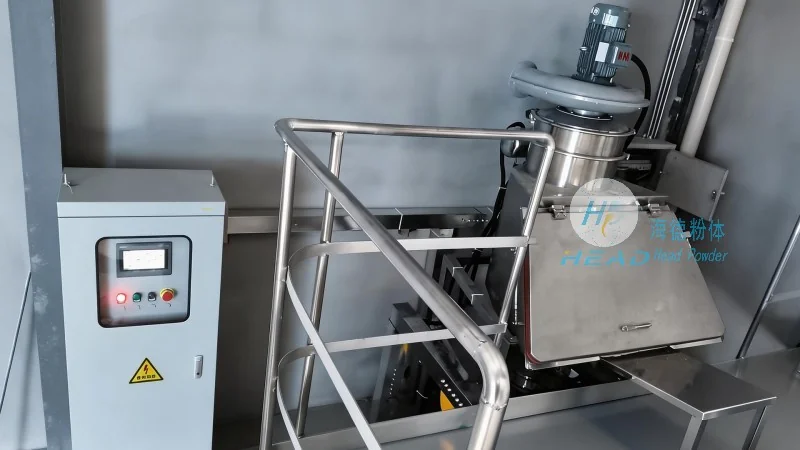
HeadPowder: Shandong HeadPowder Engineering Co., Ltd.
HeadPowder, formally known as Shandong HeadPowder Engineering Co., Ltd., is a prominent manufacturer and supplier of pneumatic conveying systems. The company is headquartered in Shandong, China, and has established a strong reputation for delivering high-quality, reliable, and efficient conveying solutions. HeadPowder specializes in the design, manufacturing, and installation of small bag pneumatic conveying systems, as well as complementary equipment. The company's products are recognized for their durability, performance, and adherence to international industry standards. HeadPowder serves a diverse clientele, ranging from small businesses to large corporations, providing customized solutions tailored to specific conveying requirements. With a focus on innovation and customer satisfaction, HeadPowder continues to be a trusted partner in the material handling industry.