

Introduction to Fish Meal Pneumatic Conveying Systems: Structure and Working Principles
In the realm of fish meal processing, the efficiency of material handling directly impacts overall production output and product quality. The pneumatic conveying system, specifically engineered for fish meal, has emerged as a sophisticated solution that minimizes contamination risks while optimizing energy usage. This technology is pivotal in modern fish meal production lines, facilitating seamless material transport from raw material reception to final product packaging. The system's design prioritizes hygiene, durability, and operational reliability, making it a preferred choice for industries that demand high standards in food processing.
Key Components and Structural Design
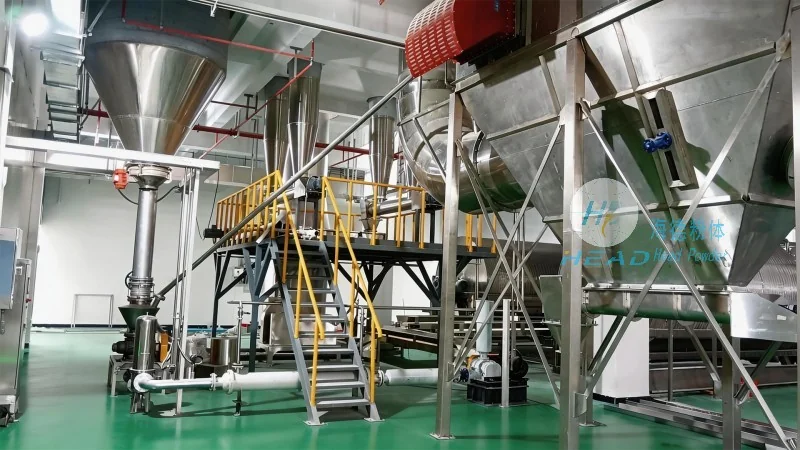
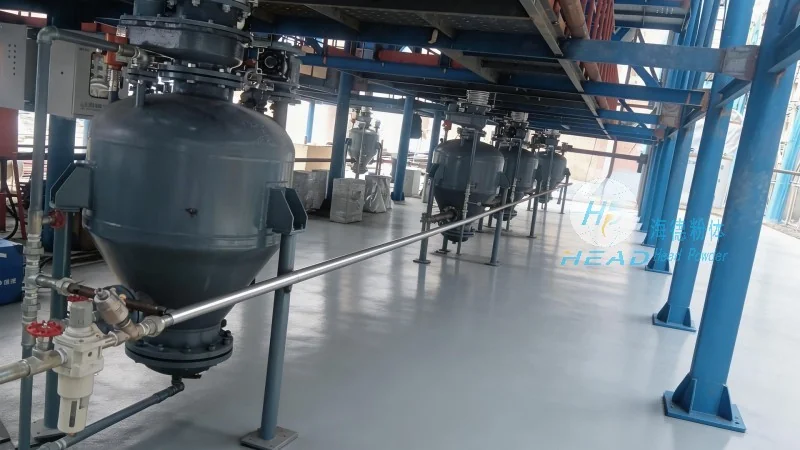
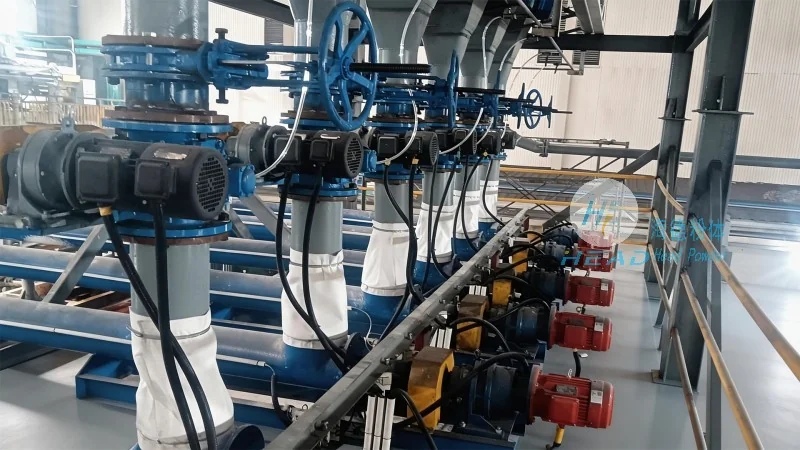
The fish meal pneumatic conveying system comprises several critical components that collaborate to achieve effective material transport. The primary components include a stainless steel hopper for material storage, a durable conveyor pipeline (often made of PVC or metal), an air supply unit (blower or compressor), and a sophisticated control system. The hopper is engineered with a sloped bottom and a discharge valve to facilitate smooth material flow, while its stainless steel construction ensures resistance to corrosion and bacterial growth—essential for maintaining the purity of fish meal. The conveyor pipeline is designed with smooth, rounded bends to minimize material abrasion and prevent blockages, and its material selection (e.g., food-grade PVC or stainless steel) aligns with industry hygiene standards. The air supply unit, typically a positive displacement blower, generates the necessary pressure and volume of air to move fish meal particles through the pipeline. The control system, equipped with sensors and a user interface, monitors and regulates air flow, material feed rate, and system pressure, ensuring optimal performance and preventing operational disruptions.
Working Principle of the Pneumatic Conveying Process
The operation of the fish meal pneumatic conveying system is based on the fundamental principle of air movement to suspend and transport solid particles. The process initiates with fish meal being fed into the hopper, where it accumulates before being drawn into the conveyor pipeline by the air supplied from the blower. The air velocity within the pipeline is maintained at a level sufficient to keep the fish meal particles suspended, preventing them from settling or clogging the system. The system operates in either positive or negative pressure modes, depending on the specific application requirements. In positive pressure systems, air is forced into the pipeline, pushing the material forward. In negative pressure systems, air is drawn out of the pipeline, creating a vacuum that pulls the material. The choice between these modes is influenced by factors such as the distance of transport, the volume of material, and the need to control dust emissions. For fish meal applications, positive pressure systems are often preferred as they provide better control over material flow and reduce the risk of contamination from external sources. The system ensures that the fish meal is transported without segregation, maintaining a consistent particle size distribution and preventing clumping or agglomeration, which could compromise product quality.