

Introduction to Tonne Bag Unpacking and Pneumatic Conveying System: Structure and Principle Explanat
The tonne bag unpacking and pneumatic conveying system is a specialized industrial solution designed to efficiently handle bulk materials from large bags, such as tonne bags or super sacks, and transport them to processing or storage areas. This system integrates advanced technologies to ensure smooth operation, high efficiency, and minimal material loss, making it ideal for industries dealing with powders, granules, or other bulk solids. The system's design focuses on reliability, durability, and user-friendly maintenance, catering to the needs of various manufacturing and processing facilities.
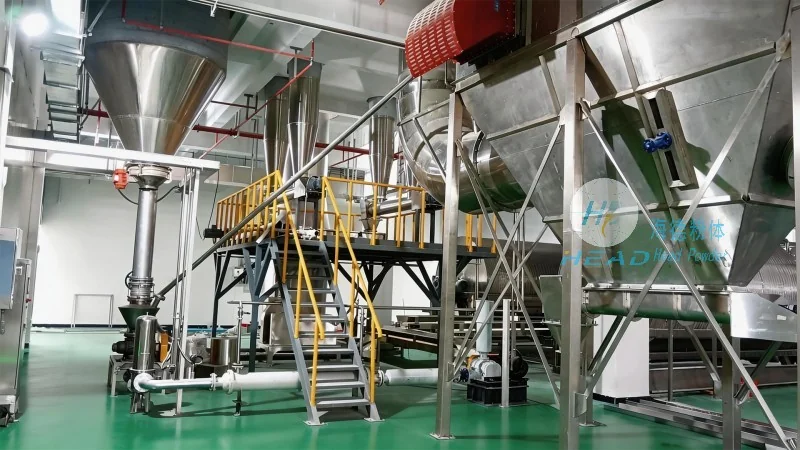
Key Components and Structure of the System
The tonne bag unpacking and pneumatic conveying system consists of several critical components that work in tandem to achieve the desired material handling performance. The main components include the bag opening mechanism, the material feed hopper, the airlock or rotary valve, the conveying pipeline, and the dust collection system. Each component plays a vital role in the overall operation, ensuring that the material is safely and effectively transferred from the bag to the processing line.
Firstly, the bag opening mechanism is responsible for safely and efficiently opening the tonne bag without damaging the material inside. This component typically uses a combination of cutting tools and mechanical force to open the bag's top, allowing the material to flow into the feed hopper. The design of this mechanism is crucial to prevent material spillage and contamination, which can affect product quality and safety.
Secondly, the material feed hopper serves as the transition point between the bag and the conveying system. It collects the material from the bag and feeds it into the airlock or rotary valve. The hopper is usually equipped with a level indicator and a discharge valve to control the material flow rate, ensuring a consistent and controlled feed to the conveying system. The material feed hopper is designed to handle various bulk materials, including powders, granules, and even some liquids, depending on the system configuration.
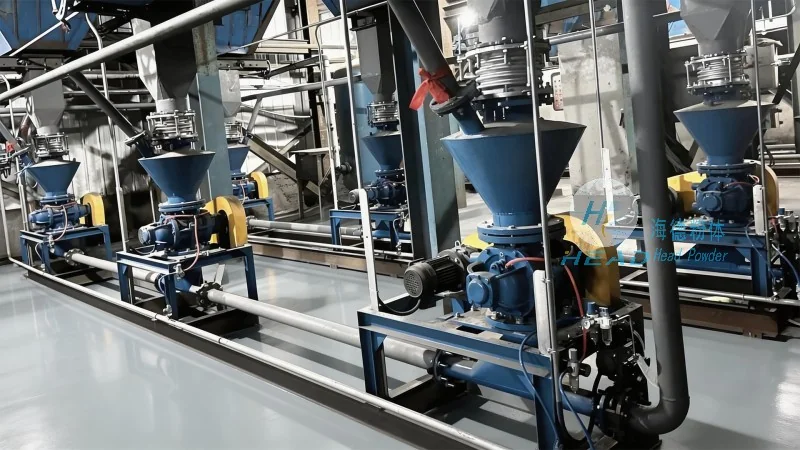
Thirdly, the airlock or rotary valve acts as a control device to regulate the material flow from the hopper to the conveying pipeline. The airlock, also known as a rotary airlock, uses a rotating drum with slots to allow material to pass through while preventing backflow. This component is essential for maintaining a consistent flow rate and preventing the material from clogging the pipeline. The rotary valve, on the other hand, uses a rotating disc with openings to control the material discharge, providing precise control over the flow rate and preventing material buildup.
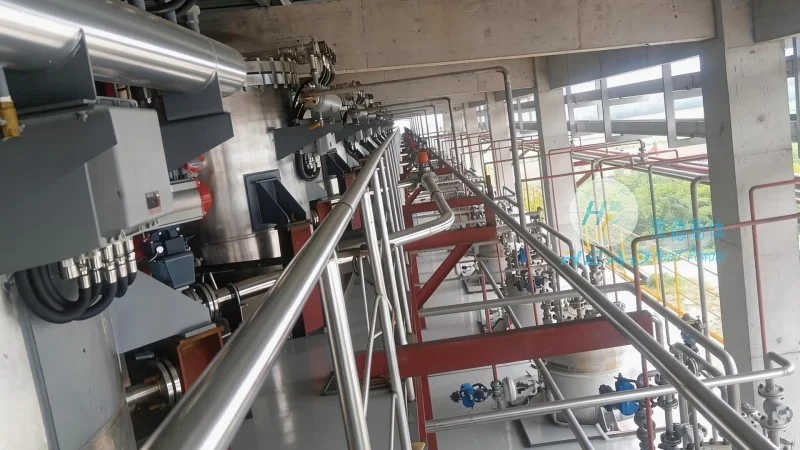
Fourthly, the conveying pipeline is the main component responsible for transporting the material from the feed hopper to the processing or storage area. The pipeline is typically made of stainless steel or other corrosion-resistant materials to withstand the abrasive nature of the bulk materials. The pipeline is designed with appropriate bends and supports to ensure smooth material flow and prevent blockages. The diameter and length of the pipeline are determined based on the material characteristics, flow rate, and system requirements.
Fifthly, the dust collection system is an integral part of the tonne bag unpacking and pneumatic conveying system, designed to capture and remove dust particles generated during the material handling process. This system typically includes a dust collector, filters, and a fan to create a negative pressure environment that draws in the dust-laden air from the conveying pipeline. The collected dust is then filtered and stored in a separate container for disposal or reuse. The dust collection system is crucial for maintaining a clean and safe working environment, as well as complying with environmental regulations.
Working Principle of the Pneumatic Conveying System
The working principle of the tonne bag unpacking and pneumatic conveying system is based on the use of air pressure to transport bulk materials through a pipeline. The system operates by creating a pressure differential between the material feed hopper and the conveying pipeline. The air is introduced into the pipeline at a high velocity, creating a stream of air that carries the material particles along with it. The material is then separated from the air at the receiving end of the pipeline using a cyclone separator or a bag filter.
During the operation, the material is first discharged from the tonne bag into the feed hopper. The airlock or rotary valve then controls the flow of material into the conveying pipeline. The high-pressure air is introduced into the pipeline, creating a positive pressure that pushes the material forward. The material particles are suspended in the air stream and transported to the destination. The velocity of the air and the size of the material particles determine the conveying capacity and efficiency of the system.
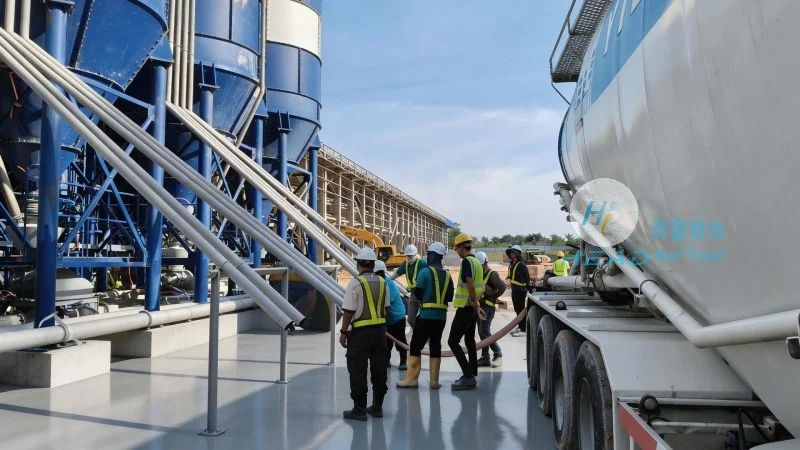
The system's efficiency is influenced by several factors, including the air pressure, the material characteristics, the pipeline design, and the control mechanisms. The air pressure is typically maintained between 5 to 10 bar, depending on the material's properties and the system's requirements. The material's density, particle size, and moisture content also affect the conveying performance. For example, lighter and finer materials require higher air velocities to maintain suspension, while heavier and coarser materials can be conveyed at lower velocities.
The control system of the tonne bag unpacking and pneumatic conveying system is designed to monitor and adjust the operation parameters in real-time. The system includes sensors to measure the material level in the hopper, the air pressure in the pipeline, and the flow rate of the material. These sensors provide feedback to the control unit, which adjusts the air pressure and material feed rate to maintain optimal operation. The control system also includes safety features, such as pressure relief valves and emergency stop buttons, to prevent accidents and ensure the safety of the operators.
Advantages and Applications of the System
The tonne bag unpacking and pneumatic conveying system offers several advantages over traditional material handling methods, making it a preferred choice for many industries. One of the main advantages is its ability to handle bulk materials efficiently and safely, reducing the risk of material spillage and contamination. The system also minimizes the need for manual handling, which can be hazardous and time-consuming. Additionally, the system is designed to be compact and space-saving, making it suitable for facilities with limited space.
The system is widely used in various industries, including food processing, pharmaceuticals, chemicals, and mining. In the food industry, the system is used to handle powders such as flour, sugar, and spices, ensuring that the materials are handled hygienically and without contamination. In the pharmaceutical industry, the system is used to handle active pharmaceutical ingredients (APIs) and other sensitive materials, maintaining the purity and quality of the products. In the chemical industry, the system is used to handle various chemicals, including powders and granules, ensuring safe and efficient transportation. In the mining industry, the system is used to transport ore and other minerals from the mine to the processing plant, improving the overall efficiency of the operation.
Another advantage of the tonne bag unpacking and pneumatic conveying system is its flexibility. The system can be customized to handle different types of bulk materials and to meet the specific requirements of the customer. The system can be designed with different components, such as different bag opening mechanisms, conveying pipeline lengths, and dust collection systems, to suit the needs of the application. This flexibility makes the system suitable for a wide range of applications and industries.
The system also offers cost savings compared to traditional material handling methods. By reducing the need for manual handling and minimizing material loss, the system can significantly reduce labor costs and material waste. Additionally, the system's high efficiency and low maintenance requirements can lead to long-term cost savings. The system is also designed to be energy-efficient, using less energy compared to other material handling methods, which can further reduce operating costs.
Conclusion
The tonne bag unpacking and pneumatic conveying system is a reliable and efficient solution for handling bulk materials from tonne bags. The system's design, based on advanced technologies and components, ensures smooth operation, high efficiency, and minimal material loss. The system is widely used in various industries and offers several advantages over traditional material handling methods. With its flexibility and cost savings, the tonne bag unpacking and pneumatic conveying system is an ideal choice for facilities looking to improve their material handling processes and increase productivity.