

Introduction to Dry Sand Pneumatic Conveying Systems: Structure and Working Principles
Dry sand pneumatic conveying systems are advanced industrial solutions designed to transport dry materials like sand efficiently and reliably. These systems utilize air as the primary medium to move bulk materials through a network of pipes and components. The technology is widely adopted in various industries due to its ability to handle abrasive materials while minimizing contamination and maintaining product quality. As a key player in the field, Shandong HeadPowder Engineering Co., Ltd. specializes in the design, manufacturing, and integration of such systems, ensuring optimal performance for diverse applications.
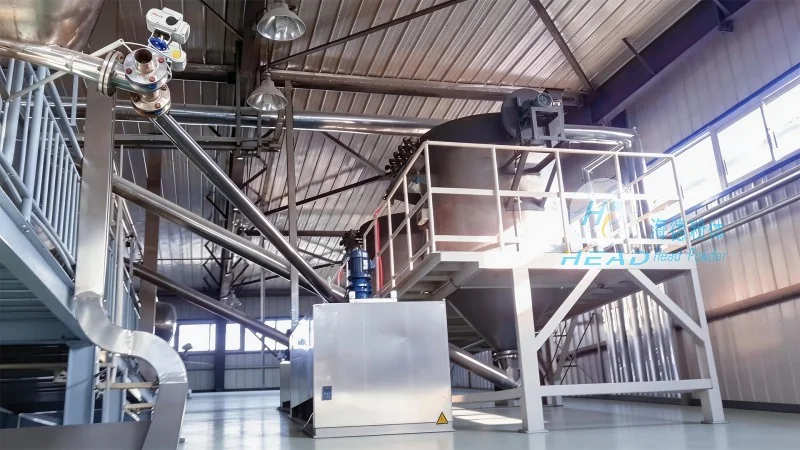
Core Components and Structural Design
The dry sand pneumatic conveying system consists of several critical components that work in harmony to achieve effective material transport. The main elements include the material feed hopper, which holds the dry sand and feeds it into the system; the air compressor or blower, which generates the necessary air pressure to move the material; the conveying line, typically made of durable materials like stainless steel or special alloys to withstand abrasion from the sand; and the control system, which regulates the air flow and material feed to maintain consistent operation. The structural design emphasizes durability and efficiency, with components engineered to handle high-pressure air and abrasive materials without degradation. For instance, the material feed hopper is often equipped with a rotary valve or screw feeder to ensure a controlled and continuous feed, preventing blockages and ensuring smooth operation. The conveying line is usually equipped with bends and elbows that are carefully designed to minimize pressure loss and maintain the air flow velocity required for effective material transport. The control system may include sensors and automation features to monitor pressure, flow, and material levels, providing real-time feedback and adjustments to maintain optimal performance.
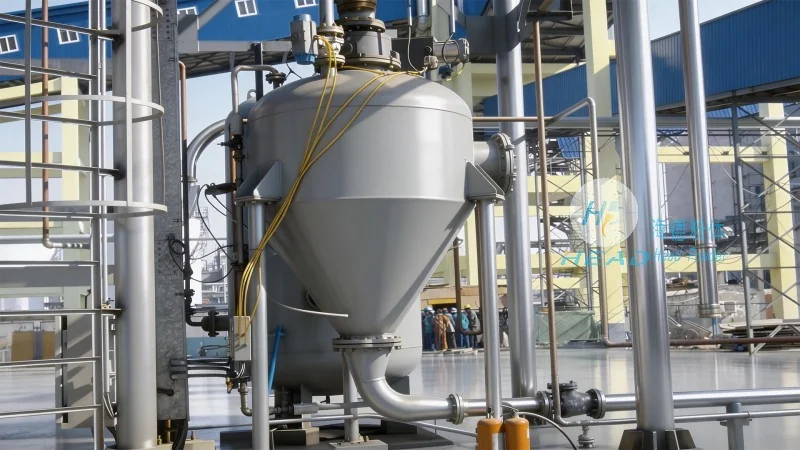
Working Principle of the Pneumatic Conveying Process
The operation of a dry sand pneumatic conveying system follows a systematic process that involves several key steps. Initially, the dry sand is fed into the material hopper from a storage silo or container. The rotary valve or screw feeder then regulates the flow of sand into the conveying line, ensuring a consistent feed rate. Simultaneously, the air compressor or blower generates high-pressure air, which is introduced into the conveying line at the inlet. The air and sand mixture travels through the pipeline, with the air velocity sufficient to suspend the sand particles and transport them to the destination point. The conveying line may include various components such as filters, cyclones, or separators to separate the sand from the air at the end of the line. The separated sand is collected in a receiving hopper or silo, while the air is either recirculated back to the system or discharged to the atmosphere after filtration. The entire process is controlled by the system's control panel, which adjusts the air pressure, feed rate, and other parameters to maintain the desired conveying rate and efficiency. The working principle leverages the principle of fluidization, where the air flow creates a fluid-like environment for the sand particles, allowing them to be transported without direct contact with the pipeline walls. This method not only reduces wear and tear on the equipment but also ensures that the sand remains dry and free from contamination during the transport process.
Applications and Benefits in Industrial Settings
Dry sand pneumatic conveying systems find extensive applications across various industrial sectors, including construction, mining, and manufacturing. In the construction industry, these systems are used to transport sand from storage sites to construction sites, ensuring a continuous and efficient supply of raw materials. The mining industry utilizes such systems to transport sand and other bulk materials from processing plants to storage facilities or for further processing. In manufacturing, the systems are employed in sandblasting operations, foundries, and other processes where dry sand is required for finishing or material preparation. The benefits of using pneumatic conveying systems over traditional methods like belt conveyors or trucks are significant. These systems offer higher efficiency in terms of material transport speed and distance, with the ability to cover long distances without the need for intermediate storage or handling. They also reduce labor costs by automating the material transport process and minimizing the need for manual handling. Additionally, pneumatic conveying systems provide better product quality control, as they minimize contamination from external sources and maintain the dryness of the sand, which is crucial for applications like foundry sand or construction aggregates. The systems also contribute to improved safety in industrial environments by reducing the risk of dust explosions and minimizing the exposure of workers to abrasive materials. Overall, the adoption of dry sand pneumatic conveying systems enhances operational efficiency, reduces costs, and improves product quality in industrial settings.
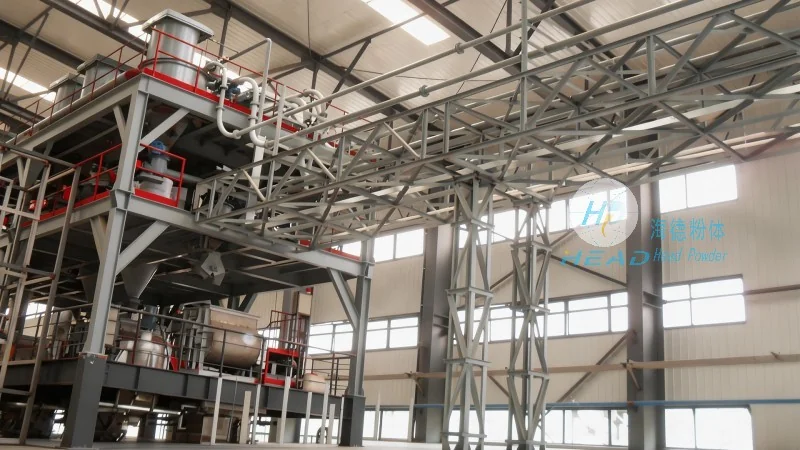
Company Profile: Shandong HeadPowder Engineering Co., Ltd.
Shandong HeadPowder Engineering Co., Ltd., commonly known as HeadPowder, is a leading manufacturer and supplier of pneumatic conveying systems and related industrial equipment. The company is headquartered in Shandong, China, and has established a strong reputation for its innovative designs, high-quality products, and reliable service. HeadPowder specializes in the design, manufacturing, and integration of dry sand pneumatic conveying systems tailored to the specific needs of various industries. The company's team of engineers and technicians leverages advanced technology and years of experience to develop customized solutions that meet the unique requirements of clients. HeadPowder's products are known for their durability, efficiency, and ease of maintenance, ensuring long-term performance and low operational costs. The company adheres to international quality standards and provides comprehensive after-sales support, including installation, training, and maintenance services. With a commitment to excellence and customer satisfaction, HeadPowder has become a trusted partner for businesses seeking reliable and efficient pneumatic conveying solutions. The company's focus on research and development ensures that its products remain at the forefront of industry technology, offering advanced features and improved performance to meet the evolving needs of the market.