

Introduction to Sugar Pneumatic Conveying Systems: Structure and Working Principles
HeadPowder, a leading provider in the field, specializes in the design and implementation of sugar pneumatic conveying systems. These systems are engineered to efficiently transport granular materials like sugar, ensuring minimal product degradation and optimal operational efficiency. The following sections provide a detailed overview of the system's structure and working principles, highlighting the key components and their functions.
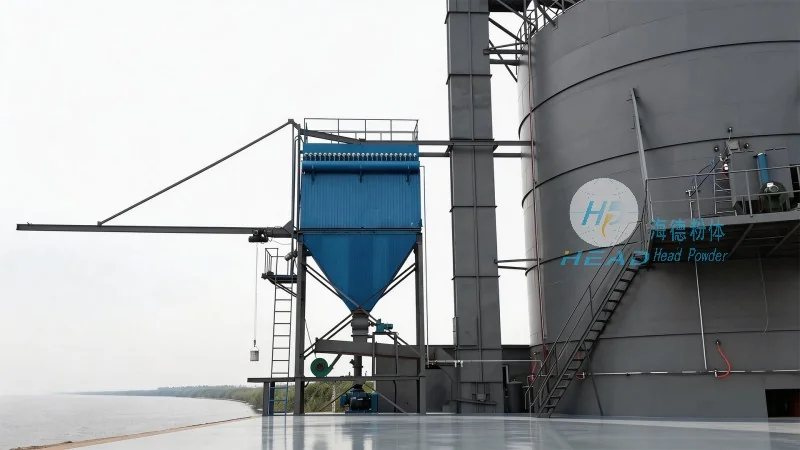
Key Components of the Pneumatic Conveying System
The sugar pneumatic conveying system consists of several critical components that work in tandem to achieve seamless material transport. The primary elements include the hopper, feeder, air compressor, conveying line, and receiver. Each component plays a vital role in the overall operation, contributing to the system's reliability and performance.
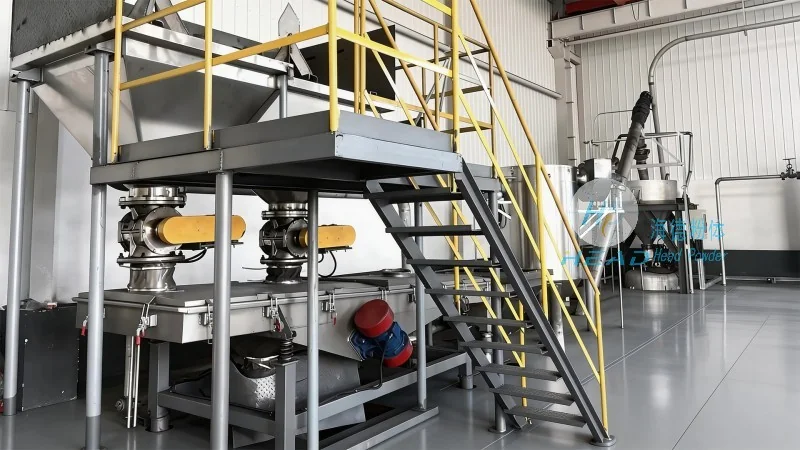
The hopper is the initial storage unit where raw sugar is loaded. It is designed with a sloped bottom to facilitate the smooth flow of material into the feeder. The feeder, typically a rotary or vibratory type, regulates the flow rate of sugar from the hopper, ensuring a consistent feed to the conveying line. This control is crucial for maintaining system stability and preventing overloading or underloading of the system.
The air compressor is the heart of the pneumatic system, generating the necessary pressure to move the sugar particles through the conveying line. Different types of compressors, such as rotary screw or centrifugal, are used depending on the system's capacity and pressure requirements. The compressor's performance directly impacts the system's conveying efficiency and energy consumption.
The conveying line, usually made of stainless steel or other corrosion-resistant materials, is where the sugar travels under the force of compressed air. The line is equipped with bends, elbows, and straight sections to guide the material to the receiver. Proper design of the line, including the use of appropriate diameters and smooth transitions, minimizes pressure drop and ensures the sugar reaches the destination without clogging or degradation.
The receiver is the final storage or processing unit where the conveyed sugar is deposited. It is typically a large tank or silo, designed to handle the volume of material transported. The receiver's design ensures that the sugar is collected efficiently and can be further processed or packaged without any loss or contamination.
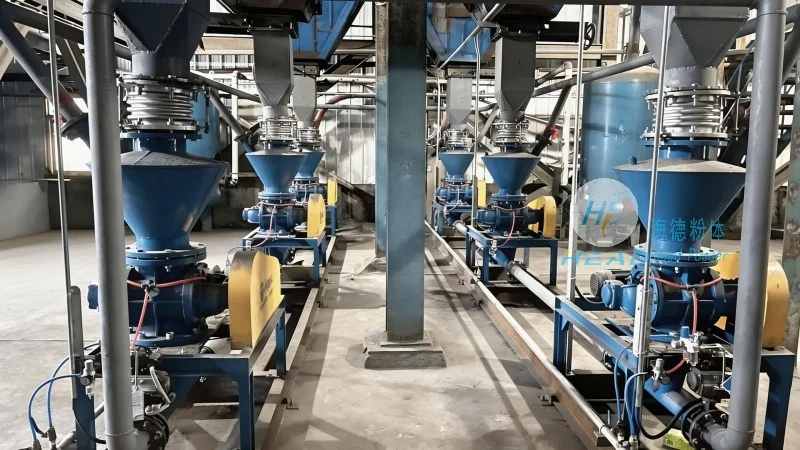
Working Principles of the Pneumatic Conveying Process
The operation of the sugar pneumatic conveying system follows a systematic process that involves several stages. The process begins with the loading of raw sugar into the hopper. The feeder then regulates the flow of sugar into the conveying line, where it is mixed with compressed air from the air compressor. The air-sugar mixture is then propelled through the conveying line to the receiver.
As the mixture travels through the line, the air exerts pressure on the sugar particles, causing them to move in a fluidized state. This state allows the sugar to be transported over long distances with minimal mechanical contact, reducing the risk of breakage or contamination. The system's design ensures that the air and sugar are well-mixed, maintaining the material's integrity throughout the conveying process.
The receiver collects the sugar as it exits the conveying line. The air, now separated from the sugar, is typically filtered and recycled back to the compressor to conserve energy. This closed-loop system enhances efficiency and reduces operational costs by minimizing air consumption and waste.
The entire process is controlled by a sophisticated system of valves, sensors, and controls that monitor pressure, flow rate, and material level. These controls ensure that the system operates within safe and optimal parameters, preventing overpressure, underflow, or other operational issues. The integration of advanced control technology allows for real-time adjustments, enhancing the system's responsiveness and reliability.
Advantages of Using Pneumatic Conveying for Sugar Transport
Compared to traditional mechanical conveying methods, sugar pneumatic conveying systems offer several advantages that make them ideal for the sugar industry. One of the primary benefits is the reduction in product degradation. Since the sugar is transported in a fluidized state with minimal mechanical contact, the risk of breakage, caking, or contamination is significantly lower. This is particularly important for high-value sugar products where quality is paramount.
Another advantage is the ability to transport sugar over long distances without the need for intermediate storage or transfer points. The pneumatic system can handle vertical and horizontal transport simultaneously, making it suitable for complex layouts and large-scale operations. This flexibility allows manufacturers to optimize their production lines and reduce the overall footprint of their facilities.
Energy efficiency is also a key benefit of pneumatic conveying. By recycling the air used in the process, the system minimizes energy consumption compared to traditional methods that rely on mechanical conveyors. Additionally, the reduced need for maintenance and replacement of components due to lower wear and tear further contributes to cost savings over the system's lifespan.
The system's hygienic design is another critical advantage, especially in food processing applications. Stainless steel components and smooth surfaces prevent the accumulation of product residue, making cleaning and sanitation easier and more effective. This is essential for maintaining compliance with food safety regulations and ensuring the quality of the final product.
Applications and Industries Served
Sugar pneumatic conveying systems are widely used in various industries that require the efficient transport of granular materials. The primary application is in the sugar manufacturing and processing sector, where these systems are used to move raw sugar from storage to processing units, and then to packaging facilities. Additionally, the systems are used in related industries such as food processing, pharmaceuticals, and chemical manufacturing, where similar granular materials need to be transported with precision and care.
HeadPowder's expertise in designing and implementing these systems has made them a trusted partner for companies operating in the sugar industry. By leveraging their knowledge of material properties and system requirements, HeadPowder ensures that each system is tailored to meet the specific needs of their clients, whether it's for small-scale operations or large industrial facilities.
The company's commitment to quality and innovation is reflected in the design of their pneumatic conveying systems. Each component is carefully selected and tested to ensure durability and performance, providing long-term reliability and minimal downtime. This approach has helped HeadPowder build a reputation for delivering high-quality solutions that enhance operational efficiency and product quality for their clients.