

Introduction to High-Temperature Ash Pneumatic Conveying Systems: Structure and Working Principles
High-temperature ash pneumatic conveying systems are critical components in industrial processes, particularly in power plants and other facilities that generate significant amounts of ash. These systems are designed to efficiently transport hot ash from its source to disposal or processing locations, ensuring safety, reliability, and operational efficiency. This article provides an overview of the structure and working principles of such systems, highlighting the key components and how they function together to achieve effective material handling.
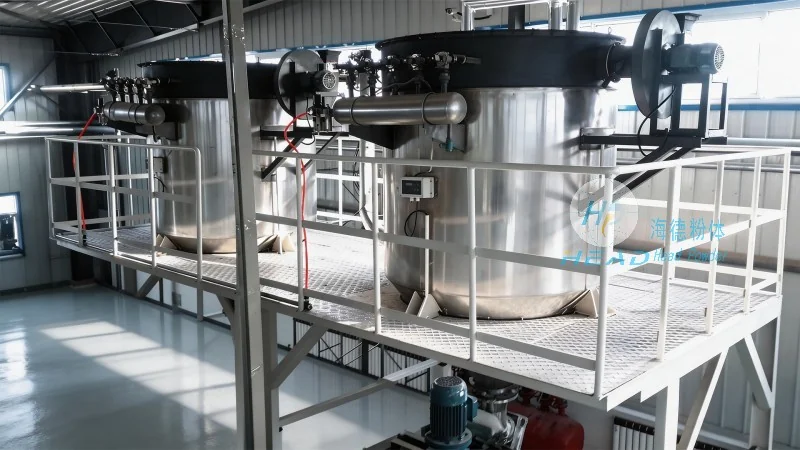
Overview of High-Temperature Ash Pneumatic Conveying Systems
High-temperature ash pneumatic conveying systems are engineered to handle the unique challenges posed by hot ash, which can range from 200°C to over 800°C depending on the source. The primary goal of these systems is to transport ash in a controlled manner, minimizing the risk of dust explosions and ensuring that the material is moved safely and efficiently. The system typically consists of several key components, including a hopper, feeder, air compressor, pipeline, and control system, all working in concert to achieve the desired conveying performance.
Key Components and Their Functions
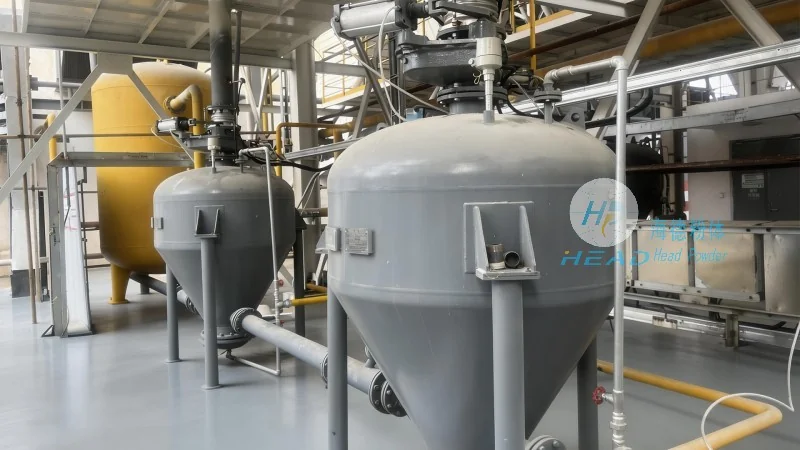
The hopper is the initial component where ash is collected and stored before being fed into the system. It is designed to handle the high-temperature material and often includes insulation to prevent heat loss or damage to the hopper structure. The feeder, usually a rotary valve or screw feeder, regulates the flow of ash from the hopper into the conveying line. This component ensures a consistent and controlled discharge rate, which is crucial for maintaining system stability and preventing blockages.
The air compressor is a critical part of the system, providing the necessary air pressure and volume to move the ash particles through the pipeline. High-temperature systems often use specialized compressors that can handle elevated temperatures and pressures, ensuring reliable operation even under challenging conditions. The pipeline itself is constructed from materials that can withstand high temperatures and abrasive wear, such as stainless steel or special alloys, to prevent corrosion and degradation over time.
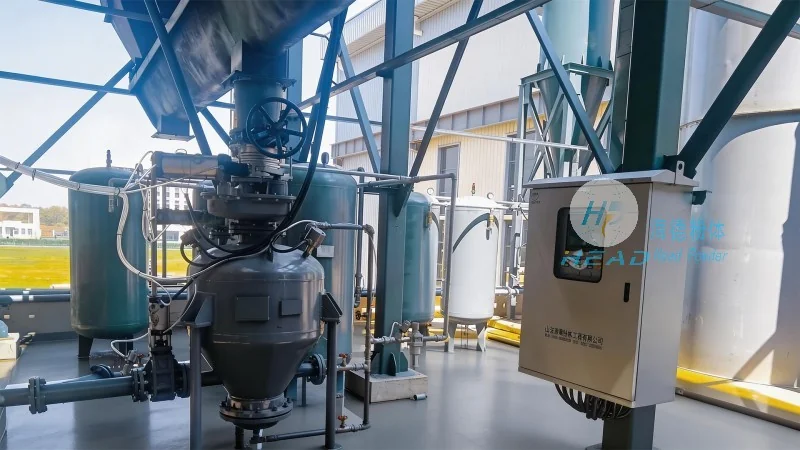
Working Principles of the Conveying Process
The operation of a high-temperature ash pneumatic conveying system is based on the principle of pneumatic transport, where air is used to create a flow that carries the ash particles. The system typically operates in a positive pressure mode, where compressed air is introduced into the pipeline at the hopper end, creating a pressure differential that propels the ash forward. As the ash moves through the pipeline, it is suspended in the air stream, allowing it to be transported over long distances without the need for mechanical conveyors.
The control system plays a vital role in managing the operation of the entire system. It monitors parameters such as air pressure, flow rate, and temperature, and adjusts the feeder and compressor settings as needed to maintain optimal performance. This automation ensures that the system operates efficiently and safely, reducing the risk of operational failures or accidents.
Advantages of High-Temperature Ash Pneumatic Conveying Systems
There are several advantages to using high-temperature ash pneumatic conveying systems over traditional methods like belt conveyors or manual handling. These systems offer improved safety by eliminating the need for manual handling of hot ash, reducing the risk of burns and other injuries. They also provide greater flexibility in terms of layout and distance, as the pipeline can be routed around obstacles and over long distances without the need for additional infrastructure. Additionally, these systems can handle a wide range of ash types and particle sizes, making them suitable for various industrial applications.
Applications and Industries
High-temperature ash pneumatic conveying systems are widely used in the power generation industry, particularly in coal-fired power plants where large amounts of ash are generated. They are also used in other industries such as cement production, where ash is often used as a raw material. The systems are designed to handle the specific requirements of each application, ensuring that the ash is transported efficiently and safely.
Conclusion
High-temperature ash pneumatic conveying systems are essential for the efficient and safe handling of hot ash in industrial settings. By understanding the structure and working principles of these systems, users can make informed decisions about their selection and operation. The key to successful implementation lies in proper design, regular maintenance, and adherence to safety guidelines. As technology advances, these systems continue to evolve, offering improved performance and reliability for industrial applications.