

Introduction to PVC Powder Pneumatic Conveying Systems: Structure and Working Principles
For industrial applications involving the handling of PVC powders, efficient and reliable material transport is crucial. The PVC powder pneumatic conveying system offers a solution that combines advanced engineering with practical design to meet these demands. This article provides an overview of the system's structure and working principles, highlighting key components and operational mechanisms.
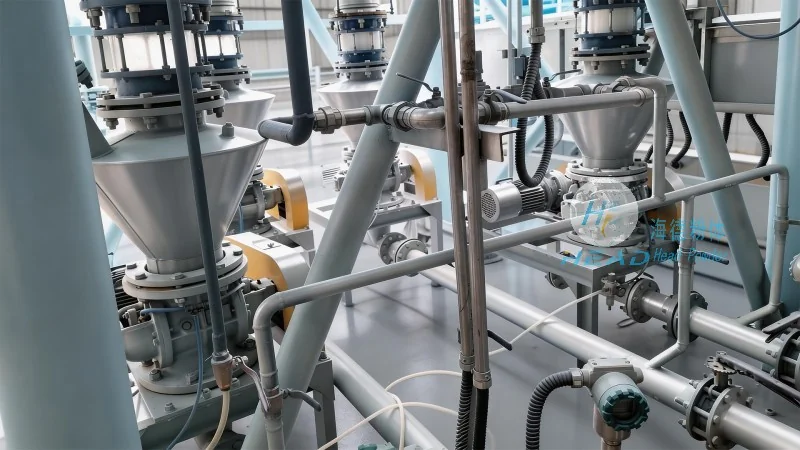
Overview of PVC Powder Pneumatic Conveying Systems
PVC powder pneumatic conveying systems are designed to transport PVC powders through a pipeline using compressed air or other gas as the conveying medium. These systems are widely used in various industries, including plastics manufacturing, chemical processing, and material handling, due to their ability to handle fine powders with minimal product degradation and contamination. The system's design ensures that PVC powders are transported safely and efficiently, adhering to industry standards and regulatory requirements.
Key Components of the System
The PVC powder pneumatic conveying system consists of several essential components that work in tandem to achieve effective material transport. These components include the material feed hopper, the air compressor or blower, the conveying pipeline, the control valves, and the receiving hopper. Each component plays a critical role in the overall operation of the system.
The material feed hopper is responsible for storing and feeding the PVC powder into the system. It is typically equipped with a metering device to control the flow rate of the powder, ensuring consistent and controlled delivery. The hopper is designed to prevent material buildup and maintain a stable feed rate, which is essential for smooth system operation.
The air compressor or blower generates the necessary pressure and flow of air to move the PVC powder through the pipeline. The choice of compressor depends on the system's capacity and the specific characteristics of the PVC powder, such as particle size and moisture content. High-pressure compressors are often used for long-distance or high-capacity applications, while low-pressure blowers are suitable for shorter distances or lower flow rates.
The conveying pipeline is the main channel through which the PVC powder and air mixture travels. It is constructed from materials that are compatible with PVC powders and the conveying medium, such as stainless steel or special plastics, to prevent corrosion and material interaction. The pipeline is typically equipped with bends, elbows, and other fittings that are designed to minimize pressure loss and maintain the flow of the material-air mixture.
The control valves are used to regulate the flow of air and powder within the system. They can be manually or automatically controlled to adjust the pressure, flow rate, and direction of the material transport. These valves are essential for maintaining system stability and preventing overpressure or underpressure conditions that could lead to system failure or product damage.
The receiving hopper collects the PVC powder at the end of the conveying pipeline. It is designed to store the material and provide a buffer for downstream processes. The hopper may include a discharge valve or other equipment to control the release of the powder, ensuring that it is delivered to the next stage of the production process in a controlled manner.
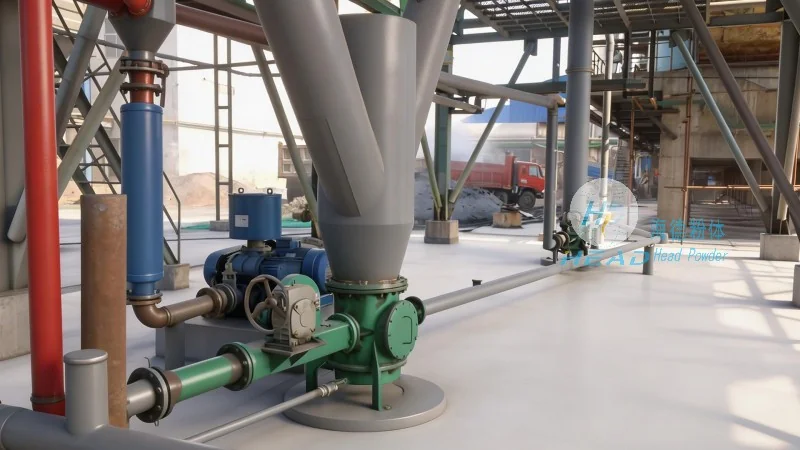
Working Principles of the Pneumatic Conveying Process
The operation of the PVC powder pneumatic conveying system follows a specific sequence of steps that ensure efficient material transport. The process begins with the feeding of PVC powder into the material feed hopper. The hopper then releases the powder into the conveying pipeline, where it is mixed with the compressed air from the blower or compressor.
As the air and powder mixture moves through the pipeline, the air exerts a drag force on the powder particles, lifting them and carrying them along the pipeline. The velocity of the air is critical in this process, as it must be sufficient to overcome the gravitational force of the powder and maintain a stable flow. The system's design ensures that the air velocity is optimized to prevent particle separation or deposition in the pipeline.
At the receiving end of the pipeline, the air and powder mixture is separated. The air is typically discharged into the atmosphere or recirculated back to the blower, while the PVC powder is collected in the receiving hopper. The separation process is achieved through various methods, such as cyclone separators or filter bags, which are designed to separate the powder from the air efficiently.
The entire process is controlled by the system's control valves and monitoring equipment, which ensure that the flow rate, pressure, and temperature are maintained within the optimal range. This control system allows for precise operation and minimizes the risk of system malfunctions or product quality issues.
Advantages of PVC Powder Pneumatic Conveying Systems
PVC powder pneumatic conveying systems offer several advantages over traditional material handling methods, such as mechanical conveyors or bucket elevators. One of the key advantages is the ability to handle fine powders without causing product degradation or contamination. The system's design minimizes particle attrition and prevents the introduction of foreign materials, ensuring that the PVC powder remains in its original state.
Another advantage is the system's flexibility and adaptability. The PVC powder pneumatic conveying system can be configured to handle various flow rates and distances, making it suitable for a wide range of industrial applications. The system can also be integrated with other equipment, such as mixers or extruders, to form a complete production line.
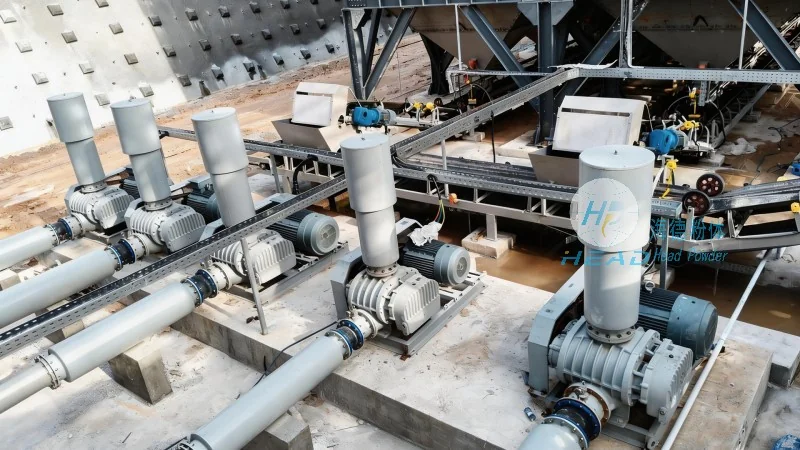
The system also offers improved safety and hygiene compared to traditional methods. The enclosed pipeline design prevents dust emissions and contamination, reducing the risk of respiratory issues or product contamination. Additionally, the system's control features allow for safe and controlled operation, minimizing the risk of accidents or spills.
Applications and Industries
PVC powder pneumatic conveying systems are used in a variety of industries where PVC powders are processed or handled. These include the plastics manufacturing industry, where PVC powders are used in the production of pipes, fittings, and other products. The system is also used in the chemical processing industry, where PVC powders are used as raw materials for various chemical products.
In the food and beverage industry, the system is used to transport PVC powders that are used as additives or flavorings. The system's ability to handle fine powders without contamination makes it ideal for these applications. The system is also used in the pharmaceutical industry, where PVC powders are used as excipients or active ingredients in drug formulations.
The system's versatility and efficiency make it a popular choice in many other industries, including construction, automotive, and electronics. The ability to transport PVC powders over long distances and in large quantities makes it an essential component of many production processes.
Conclusion
PVC powder pneumatic conveying systems are a reliable and efficient solution for handling PVC powders in industrial applications. The system's design, which includes key components such as the material feed hopper, air compressor, conveying pipeline, control valves, and receiving hopper, ensures that PVC powders are transported safely and effectively. The working principles of the system, which involve the use of compressed air to move the powder through the pipeline, are well-established and proven in various industries.
The advantages of the PVC powder pneumatic conveying system, including its ability to handle fine powders without degradation, its flexibility and adaptability, and its improved safety and hygiene, make it a preferred choice over traditional material handling methods. The system is widely used in various industries, including plastics manufacturing, chemical processing, food and beverage, and pharmaceuticals, due to its ability to meet the demands of modern production processes.
Shandong HeadPowder Engineering Co., Ltd., a leading provider of pneumatic conveying systems, specializes in designing and manufacturing customized PVC powder pneumatic conveying systems to meet the specific needs of its clients. With its headquarters in Shandong, China, the company leverages advanced engineering and manufacturing capabilities to deliver high-quality, reliable systems that enhance the efficiency and productivity of industrial operations.