

Introduction to and Structural Principles of a Cast Iron Dust Pneumatic Conveying System
For industrial applications involving the handling of cast iron dust, an efficient and reliable pneumatic conveying system is essential. This document provides an overview of the cast iron dust pneumatic conveying system, detailing its structural design and operational principles. The system is engineered to meet the specific demands of material transport in foundries and related manufacturing environments.
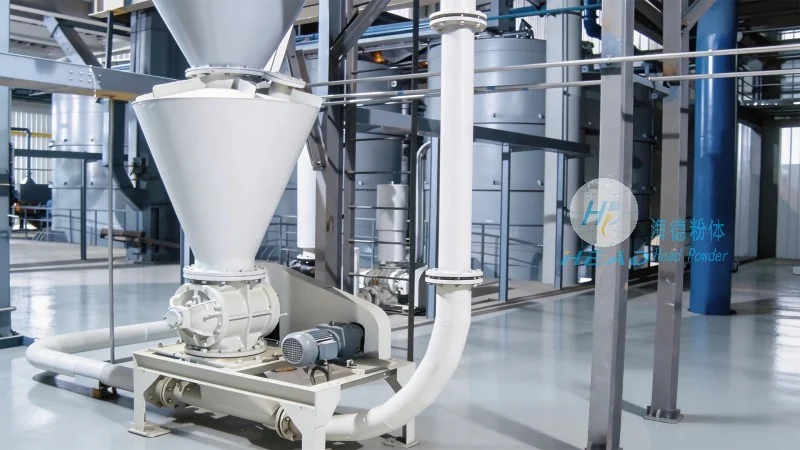
Introduction to the Cast Iron Dust Pneumatic Conveying System
The cast iron dust pneumatic conveying system is a specialized equipment designed to transport cast iron dust from source points to collection or processing locations. It operates on the principle of using compressed air to move particulate materials through a pipeline network. This system is particularly valuable in casting and foundry operations where dust and fines need to be managed effectively to maintain production efficiency and environmental compliance.
Key Components and Structural Design
The system comprises several critical components that work in tandem to ensure smooth material transport. These include the dust collection hopper, the air compressor, the conveying pipeline, the control valve, and the material discharge unit. The dust collection hopper is designed to capture cast iron dust generated during the casting process, ensuring that the material is contained and prepared for transport. The air compressor provides the necessary pressure and volume of air to drive the material through the pipeline. The conveying pipeline is typically made of corrosion-resistant materials such as stainless steel or special alloys to withstand the abrasive nature of cast iron dust. The control valve regulates the flow of air and material, allowing for precise control over the conveying process. The material discharge unit is responsible for delivering the cast iron dust to its final destination, such as a storage silo or processing unit.
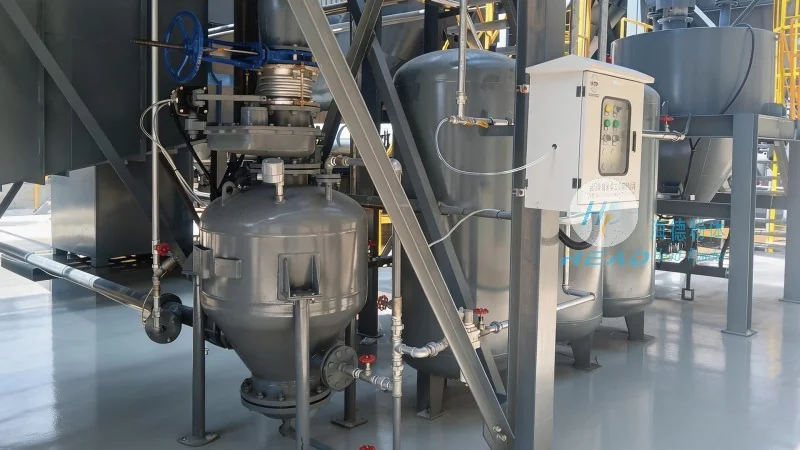
Operational Principles and Working Mechanism
The operational principle of the cast iron dust pneumatic conveying system is based on the creation of a high-velocity air stream within the conveying pipeline. When the air compressor is activated, it generates compressed air that is introduced into the dust collection hopper. The air flow lifts the cast iron dust particles from the hopper and carries them through the pipeline to the discharge point. The velocity of the air stream is carefully controlled to ensure that the dust particles are fully entrained and transported without causing blockages or damage to the system components. The system may also incorporate features such as cyclone separators or filters to separate the dust from the air stream at the discharge end, allowing for the recovery of the material and the purification of the exhaust air.
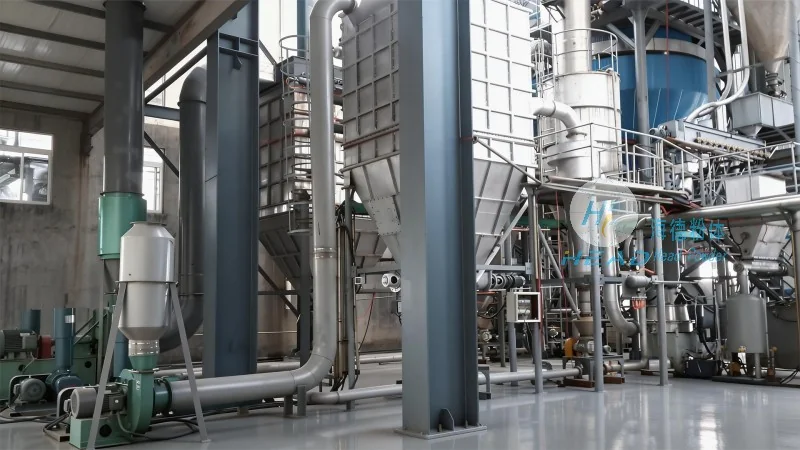
Advantages of the Cast Iron Dust Pneumatic Conveying System
Implementing a cast iron dust pneumatic conveying system offers several advantages for industrial operations. Firstly, it provides a dust-free working environment by effectively capturing and transporting the cast iron dust, reducing the risk of respiratory issues and improving overall workplace safety. Secondly, the system enhances production efficiency by automating the material handling process, minimizing manual labor and reducing downtime associated with manual dust removal. Thirdly, it improves environmental compliance by containing and managing the dust, preventing it from being released into the atmosphere and reducing the need for additional dust control measures. Additionally, the system is compact and can be integrated into existing production lines, making it a flexible solution for various foundry applications.
About Shandong HeadPowder Engineering Co., Ltd.
Shandong HeadPowder Engineering Co., Ltd., commonly known as headpowder, is a leading manufacturer and supplier of industrial dust handling and conveying systems. With a strong focus on innovation and quality, the company specializes in designing and producing equipment tailored to the specific needs of foundries, metal processing facilities, and other industrial sectors. Headpowder's team of engineers and technicians leverages advanced technology and extensive industry experience to develop reliable and efficient solutions for material transport and dust management. The company is committed to providing customer-centric services, including system design, installation, and after-sales support, to ensure that clients achieve optimal performance and operational efficiency. Headpowder's headquarters is located in Shandong, China, where the company maintains state-of-the-art manufacturing facilities and research centers to support its global customer base.