

Introduction to the Aerodynamic Conveying System for Monosodium Glutamate Powder and Its Structural
HeadPowder, a leading enterprise in the field of powder handling technology, specializes in the design and manufacturing of advanced aerodynamic conveying systems. The company, officially known as Shandong HeadPowder Engineering Co., Ltd., is headquartered in Shandong, China. With a strong focus on innovation and precision engineering, HeadPowder provides reliable solutions for the efficient transportation of various powders, including monosodium glutamate (MSG) powder. This article provides an overview of the aerodynamic conveying system for MSG powder, detailing its structural components and operational principles.
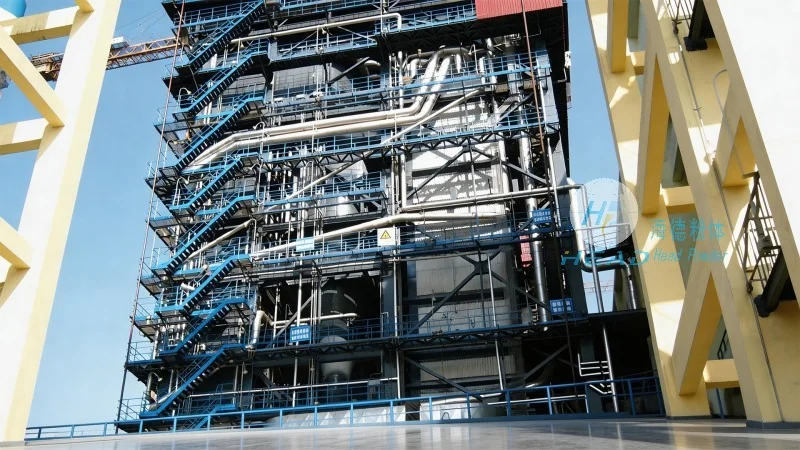
Structural Components of the Aerodynamic Conveying System
The aerodynamic conveying system for monosodium glutamate powder is a sophisticated piece of equipment designed to handle bulk powder materials with high efficiency and minimal loss. The system typically consists of several key components that work in concert to ensure smooth and continuous operation. These components include the hopper, the air lock, the conveying line, the dust collector, and the control system. Each component plays a crucial role in the overall functionality of the system.
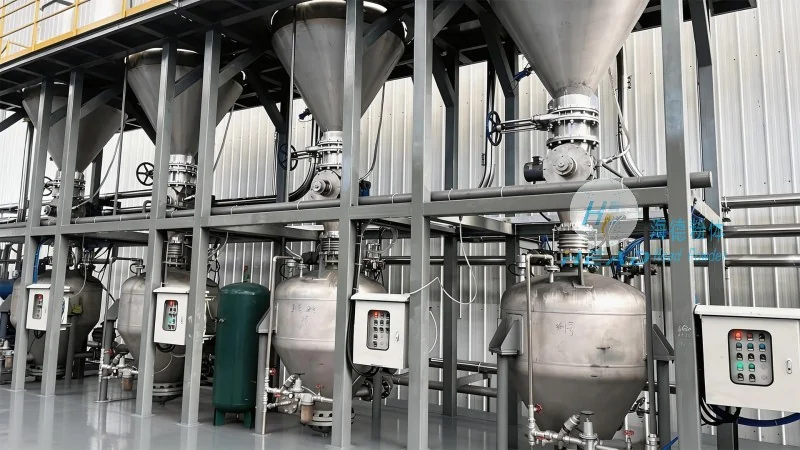
The hopper is the initial storage and feeding unit where the MSG powder is stored before being conveyed. It is designed with a conical or rectangular shape to facilitate uniform material flow. The hopper is equipped with a feeder, such as a rotary valve or a screw feeder, which regulates the flow rate of the powder into the conveying line. The air lock, positioned at the outlet of the hopper, prevents the backflow of air and ensures that the powder is discharged in a controlled manner. The conveying line, usually made of stainless steel or other corrosion-resistant materials, transports the powder through the system under the influence of air pressure. The dust collector is an essential part of the system, capturing any airborne particles and ensuring compliance with environmental regulations. The control system manages the operation of all components, allowing for precise control over the conveying process.
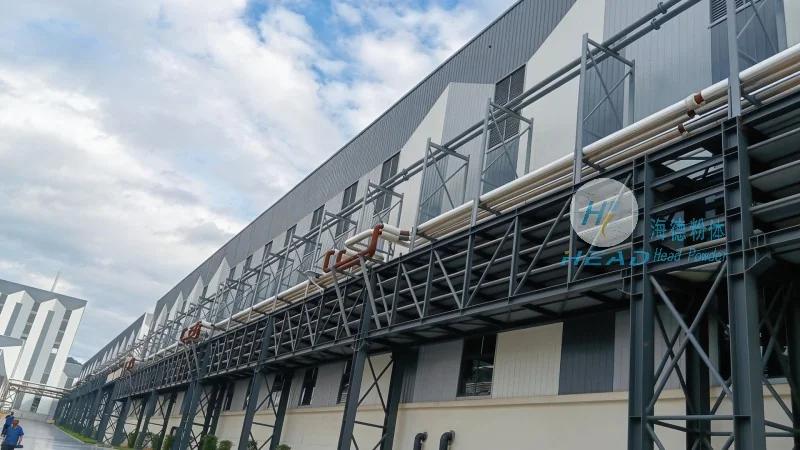
Operational Principles of the Aerodynamic Conveying System
The core principle of the aerodynamic conveying system is the use of air to transport the powder particles. This method, known as pneumatic conveying, relies on the creation of a low-pressure or high-pressure air stream within the conveying line. The powder is introduced into the air stream, and the combination of the air's velocity and the powder's particle size and density determines the conveying velocity. The system operates by first creating a vacuum or pressure differential between the hopper and the discharge point. The air is drawn or pushed through the conveying line, carrying the powder particles along with it. The air lock at the discharge end prevents the air from escaping and the powder from falling back into the line. The dust collector then filters the air, removing any residual powder particles before releasing the clean air back into the environment.
The system's efficiency depends on several factors, including the air velocity, the powder's properties (such as particle size, density, and moisture content), and the system's design. Proper design and maintenance are crucial to ensure optimal performance and minimize downtime. The aerodynamic conveying system for MSG powder is particularly suitable for applications where high purity and low contamination are required, as it prevents the powder from coming into contact with external surfaces or contaminants during transportation.
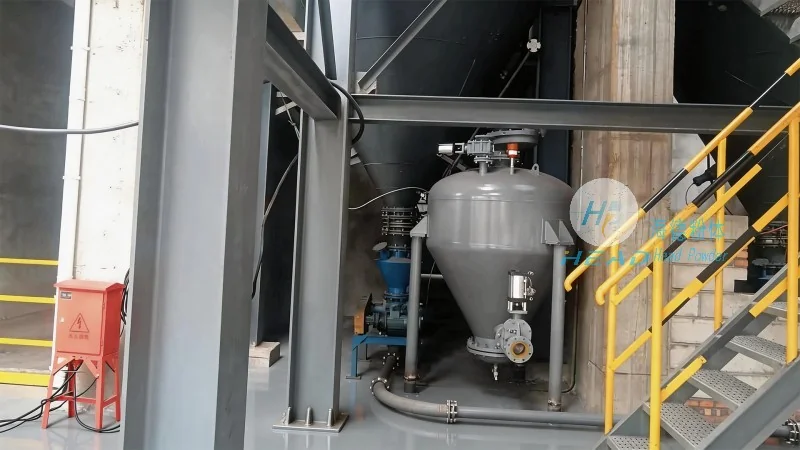
Advantages of the Aerodynamic Conveying System
Compared to traditional mechanical conveying methods, the aerodynamic conveying system offers several advantages for transporting monosodium glutamate powder. One of the key benefits is the ability to handle powders with a wide range of particle sizes and moisture content without causing blockages or degradation. The system is also highly flexible, allowing for changes in the conveying distance or flow rate without significant modifications. Additionally, the system is more hygienic and easier to clean, which is essential for food-grade applications like MSG powder. The use of stainless steel components ensures that the system is resistant to corrosion and can withstand the harsh conditions of industrial environments. The control system provides real-time monitoring and adjustment, enabling operators to maintain optimal performance and prevent issues such as clogging or air leakage.