

Introduction to and Structural Principles of Powdered Seasoning Pneumatic Conveying Systems
For industrial applications involving the handling of powdered seasonings, efficient and reliable material transport is crucial. The powdered seasoning pneumatic conveying system, developed by Shandong HeadPowder Engineering Co., Ltd., offers a sophisticated solution that combines advanced engineering with practical design to meet the demands of modern food processing and manufacturing industries. This article provides an overview of the system's structure and operational principles, highlighting its key components and how they work together to ensure optimal performance.
Company Overview: Shandong HeadPowder Engineering Co., Ltd.
HeadPowder, the brand under Shandong HeadPowder Engineering Co., Ltd., is a leading manufacturer specializing in pneumatic conveying systems and related industrial equipment. With a strong presence in China, particularly in Shandong province, the company has built a reputation for delivering high-quality, customized solutions tailored to the specific needs of clients in the food, pharmaceutical, and chemical sectors. The company's commitment to innovation, quality control, and customer satisfaction has positioned it as a trusted partner for businesses seeking efficient material handling solutions.
Pneumatic Conveying System for Powdered Seasonings: Core Components and Structure
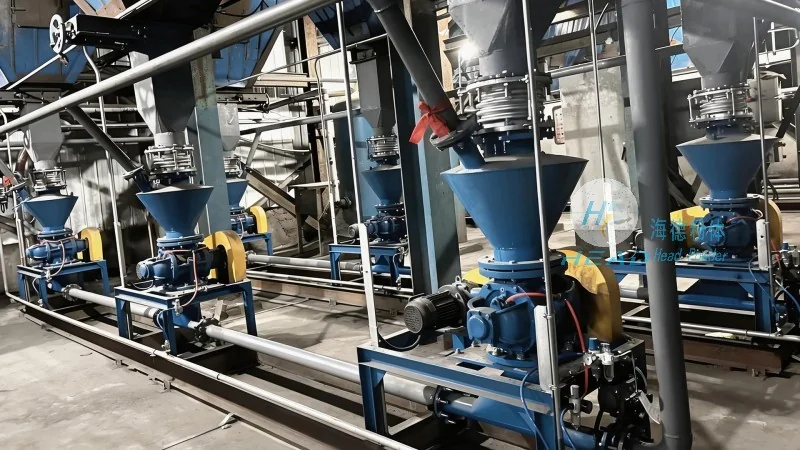
The powdered seasoning pneumatic conveying system is designed to transport dry, free-flowing powders such as spices, seasonings, and other food additives through a network of pipes using compressed air. The system's structure typically includes several key components that work in tandem to ensure smooth and controlled material movement. These components include a hopper for material storage, a feeder to regulate the flow of powder into the system, a conveying line (often equipped with bends and straight sections), and a receiver for the discharged material. Additionally, the system may incorporate accessories like filters, cyclones, and vacuum or pressure units, depending on the specific application requirements.
Operational Principles: How the System Works
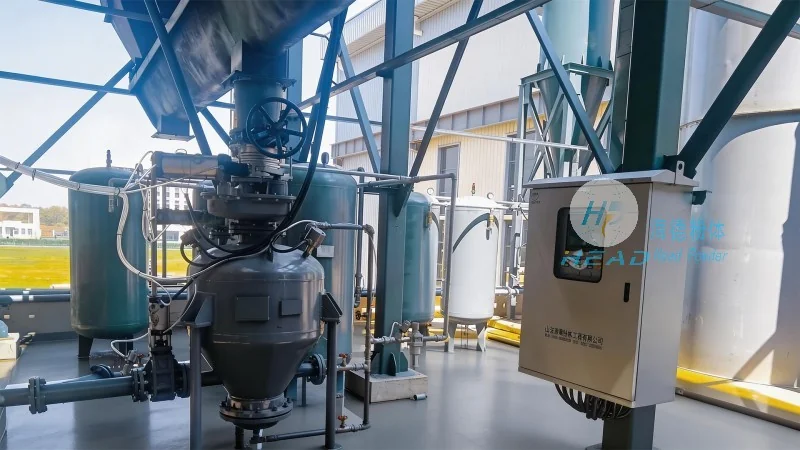
The fundamental principle behind pneumatic conveying is the use of air to create a flow of material through the system. In a typical pressure system, compressed air is introduced into the conveying line, creating a positive pressure that pushes the powder from the hopper through the pipes to the receiver. The feeder, often a rotary valve or a screw feeder, controls the rate at which powder is fed into the system, ensuring a consistent flow rate that matches the conveying capacity. The conveying line may include various fittings, such as elbows and tees, to direct the material along the desired path. At the receiver end, the air and powder mixture is separated, with the powder collected in the receiver and the air either vented or recirculated, depending on the system design.
Advantages of the Powdered Seasoning Pneumatic Conveying System
Compared to traditional mechanical conveying methods, the pneumatic system offers several advantages that make it ideal for handling delicate or sensitive powders like seasonings. These benefits include minimal product degradation due to reduced friction and impact, as the material is transported in a controlled manner without direct contact with moving parts. The system also provides excellent dust control, as the entire conveying process is enclosed, preventing airborne contamination and ensuring a clean working environment. Furthermore, the flexibility of pneumatic conveying allows for easy integration with existing production lines and the ability to transport materials over long distances or through complex layouts without the need for additional equipment like elevators or conveyors.
Application Scenarios and Customization
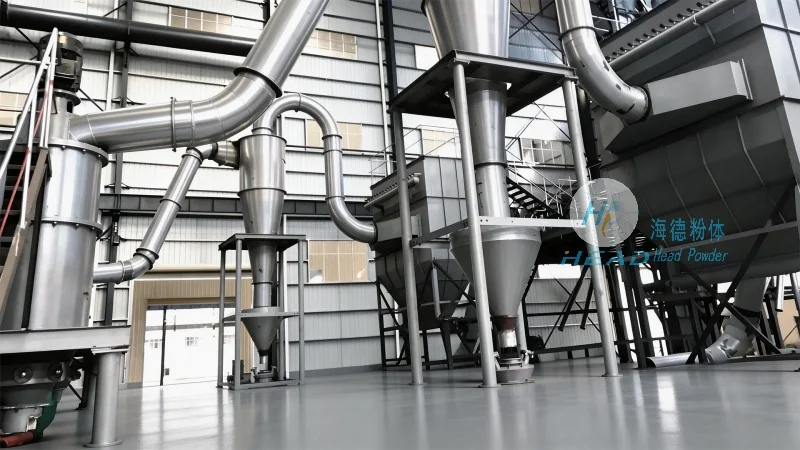
The powdered seasoning pneumatic conveying system is widely used in various industries, including food processing, where it is employed to transport spices, herbs, and flavor enhancers from storage to production lines. In the pharmaceutical industry, similar systems are used to handle active ingredients and excipients with strict purity requirements. The system's modular design allows for customization to suit specific application needs, such as varying the conveying capacity, adjusting the system's pressure, or incorporating additional features like dust collection or material drying. This adaptability makes the system suitable for a wide range of applications, from small-scale production to large industrial facilities.
Conclusion
Shandong HeadPowder Engineering Co., Ltd. has developed a reliable and efficient powdered seasoning pneumatic conveying system that addresses the challenges of handling delicate powders in industrial settings. By combining advanced structural design with operational principles that prioritize efficiency, safety, and product integrity, the system offers a superior solution for businesses seeking to optimize their material handling processes. With its roots in China and a commitment to quality, HeadPowder continues to provide innovative solutions that meet the evolving needs of the industry, ensuring that clients can rely on their equipment for consistent performance and long-term success.