

Operation Process and Working Principle of PTA Pneumatic Conveying
PTA (Polyethylene Terephthalate Acid) is a crucial raw material in the production of polyester fibers and resins. PTA pneumatic conveying is a specialized method used to transport PTA powder efficiently and safely from storage to processing units. This technology is vital for maintaining production efficiency and ensuring the quality of PTA products. The process involves the use of air as the conveying medium, which moves PTA particles through a network of pipes and equipment. Understanding the operation process and working principle of PTA pneumatic conveying is essential for optimizing industrial operations and ensuring reliable material handling.
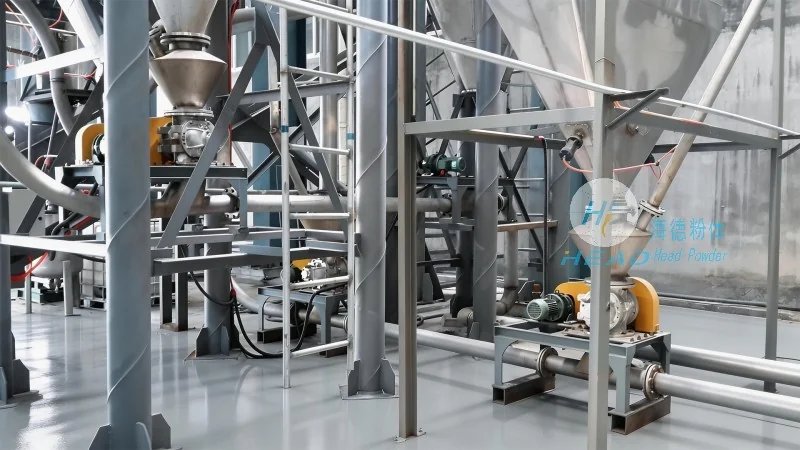
Company Profile: Shandong HeadPowder Engineering Co., Ltd.
Shandong HeadPowder Engineering Co., Ltd., commonly known as HeadPowder, is a leading provider of pneumatic conveying solutions. With a strong focus on innovation and quality, the company specializes in designing, manufacturing, and installing PTA pneumatic conveying systems. HeadPowder has extensive experience in the chemical and petrochemical industries, delivering customized solutions that meet the specific needs of clients. The company's headquarters is located in Shandong, China, and it serves a global clientele with advanced engineering and technical support.
Overview of PTA Pneumatic Conveying Technology
PTA pneumatic conveying technology is a non-contact method of transporting bulk materials, such as PTA powder, using compressed air. Unlike traditional mechanical conveying systems, pneumatic conveying minimizes material degradation and contamination, making it ideal for handling sensitive materials like PTA. The system typically consists of a hopper, a blower or compressor, a pipeline network, and a receiver. The process begins with the PTA powder being loaded into the hopper, where it is then drawn into the conveying line by the air flow. This method allows for continuous and automated material transport, reducing labor costs and improving operational efficiency.
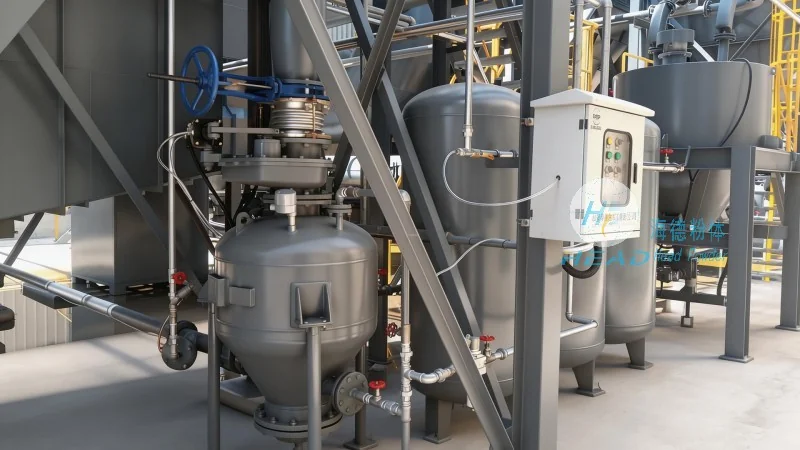
Detailed Operation Process of PTA Pneumatic Conveying
The operation process of PTA pneumatic conveying involves several key steps. First, the PTA powder is stored in a hopper equipped with a feeding mechanism. The hopper is designed to maintain a consistent material level and prevent clogging. Next, a blower or compressor generates high-pressure air, which is introduced into the conveying line. The air flow creates a negative pressure in the hopper, causing the PTA powder to be drawn into the pipeline. As the powder travels through the pipes, it is mixed with the air, forming a dense stream. The conveying line may include bends, valves, and filters to ensure smooth transport and prevent material buildup. Finally, the PTA powder is discharged into a receiver or processing unit at the destination. This continuous process allows for seamless material transfer from the storage area to the production line.
Working Principle of PTA Pneumatic Conveying Systems
The working principle of PTA pneumatic conveying systems is based on the principles of fluid dynamics and particle motion. The system operates by creating a pressure differential between the hopper and the receiver. The blower or compressor supplies compressed air, which reduces the pressure in the conveying line below atmospheric pressure. This pressure difference causes the PTA powder to be entrained by the air flow. The air velocity is carefully controlled to ensure that the powder particles are suspended and transported without settling or clogging. The system uses a combination of positive and negative pressure zones to move the material efficiently. The receiver at the end of the line is maintained at a higher pressure than the hopper, which helps to discharge the material smoothly. This principle ensures that the PTA powder is transported reliably and without damage.
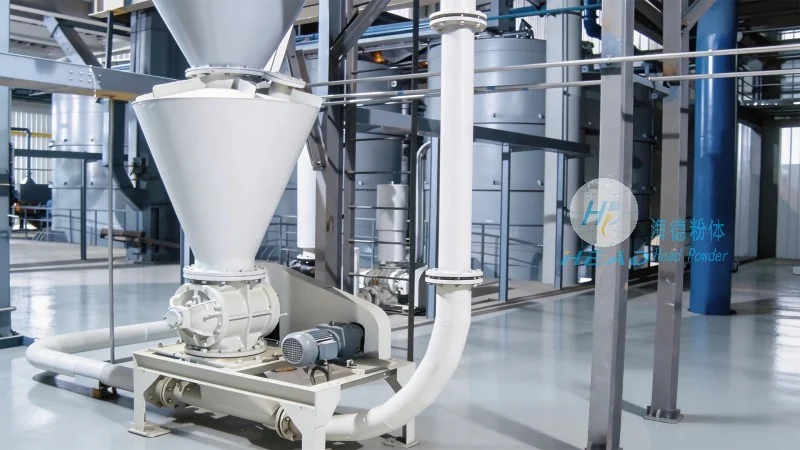
Key Components and Their Functions in PTA Pneumatic Conveying
Several key components are essential for the proper functioning of PTA pneumatic conveying systems. The hopper serves as the storage and feeding unit, providing a controlled environment for the PTA powder. The blower or compressor generates the necessary air pressure and flow rate. The pipeline network connects the hopper to the receiver and includes various fittings such as elbows, tees, and valves. The filters are used to remove any debris or dust from the air stream, ensuring that the PTA powder remains clean. The receiver is the final destination where the PTA powder is deposited. Each component plays a critical role in maintaining the efficiency and reliability of the system. Proper maintenance and selection of these components are crucial for optimal performance.
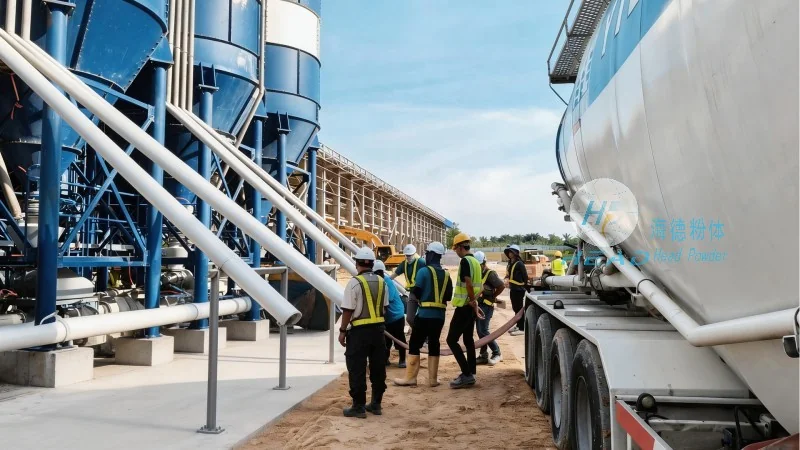
Advantages of PTA Pneumatic Conveying Systems
PTA pneumatic conveying systems offer several advantages over traditional mechanical conveying methods. One of the primary benefits is the ability to handle fine and abrasive materials like PTA powder without causing wear and tear on equipment. The non-contact nature of the system minimizes material contamination and degradation, which is critical for maintaining product quality. Additionally, pneumatic conveying allows for flexible and modular system designs, enabling easy expansion or modification as production needs change. The automated operation reduces labor requirements and improves safety by minimizing human interaction with the material handling process. These advantages make PTA pneumatic conveying an ideal solution for modern industrial applications.
Application Scenarios and Industrial Uses
PTA pneumatic conveying systems are widely used in various industrial applications, particularly in the chemical and petrochemical sectors. They are commonly employed in PTA production plants to transport raw PTA from storage silos to reaction units. The systems are also used in recycling facilities to handle recovered PTA powder. Additionally, PTA pneumatic conveying is utilized in pharmaceutical and food processing industries for handling fine powders. The technology's ability to handle sensitive materials makes it suitable for applications where product purity and consistency are paramount. By providing efficient and reliable material transport, PTA pneumatic conveying contributes to increased productivity and reduced operational costs in these industries.