

Operation Process and Working Principle of Loess Powder Pneumatic Conveying
Loess, a type of fine-grained soil, is widely utilized in construction and industrial applications. The efficient and reliable transportation of loess powder is crucial for many processes, and pneumatic conveying systems offer a solution that combines performance with flexibility. This article provides an in-depth look at the operation process and working principle of loess powder pneumatic conveying, highlighting the key components and steps involved in the process.
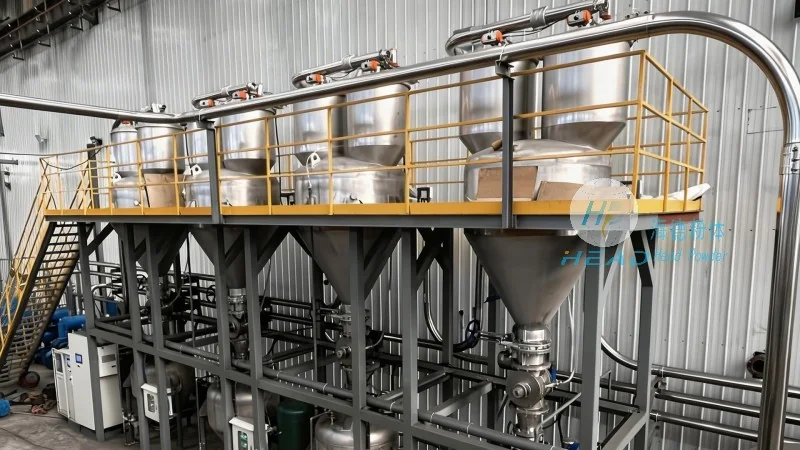
Company Introduction: Shandong HeadPowder Engineering Co., Ltd.
HeadPowder, or Shandong HeadPowder Engineering Co., Ltd., is a professional manufacturer and supplier specializing in pneumatic conveying equipment. With a focus on innovation and quality, the company has established itself as a trusted partner in the industry. HeadPowder is headquartered in Shandong, China, and serves clients globally with tailored solutions for various material handling needs. The company's expertise lies in designing and manufacturing efficient pneumatic conveying systems that meet the specific requirements of different industries, including construction, mining, and chemical processing.
Overview of Pneumatic Conveying Systems
Pneumatic conveying systems use air or gas to transport bulk materials like loess powder from one location to another. These systems are classified into two main types: pressure and vacuum systems. Pressure systems operate by pushing material through a pipeline using compressed air, while vacuum systems pull material using a vacuum created by a fan or blower. For loess powder, a pressure system is often preferred due to its ability to handle higher material loads and longer distances with less pressure drop.
Key Components of a Loess Powder Pneumatic Conveying System
The operation of a loess powder pneumatic conveying system involves several critical components that work together to ensure smooth and efficient material transport. These components include:
1. Feeder: The feeder is responsible for feeding the loess powder into the conveying system at a controlled rate. It ensures a consistent flow of material, preventing blockages and maintaining system efficiency. For loess powder, a rotary valve or a screw feeder is commonly used to provide a steady supply.
2. Conveying Pipe: The conveying pipe is the main component that transports the loess powder along the desired path. It is typically made of stainless steel or other corrosion-resistant materials to withstand the abrasive nature of loess powder. The pipe diameter and length are carefully selected based on the material's properties and the required conveying distance.
3. Air Supply Unit: The air supply unit provides the necessary compressed air or gas to move the loess powder through the pipe. It includes a compressor, air dryer, and filter to ensure clean and dry air, which is essential for preventing material caking and system blockages.
4. Control Valve: The control valve regulates the flow of air and material, allowing for precise control over the conveying process. It can be adjusted to maintain optimal pressure and flow rates, ensuring the system operates efficiently and safely.
5. Receiver: The receiver is the final component where the loess powder is discharged. It is designed to collect the material and prevent dust emissions. The receiver may include a dust collector or a bag filter to ensure environmental compliance and material cleanliness.
The Operation Process of Loess Powder Pneumatic Conveying
The operation process of a loess powder pneumatic conveying system involves several sequential steps that ensure the material is transported from the source to the destination efficiently. The process typically includes the following stages:
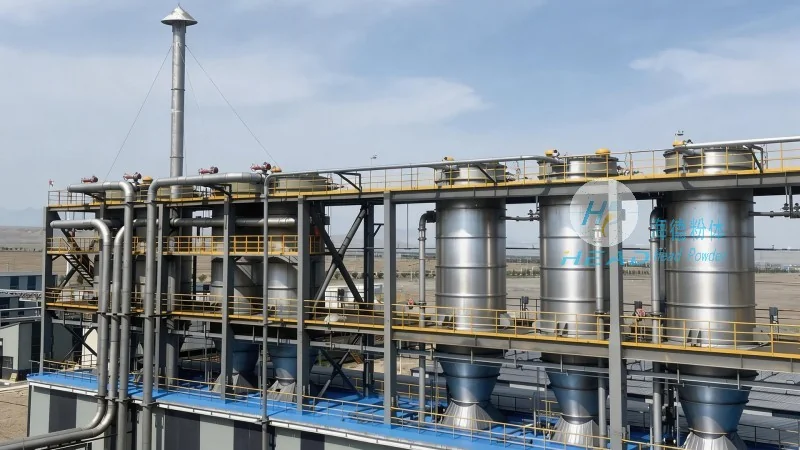
1. Material Feeding: The loess powder is fed into the feeder at a controlled rate. The feeder ensures a consistent flow, preventing overloading or underloading of the system.
2. Air Injection: Compressed air is injected into the conveying pipe at the feeder end. The air creates a flow that entrains the loess powder particles, forming a mixture known as a "pneumatic stream."
3. Pipeline Transport: The pneumatic stream moves the loess powder through the conveying pipe. The air velocity is maintained at a level sufficient to keep the particles suspended and prevent deposition or blockages.
4. Pressure Regulation: The control valve adjusts the air pressure and flow rate to maintain optimal conditions throughout the pipeline. This ensures that the material is transported without excessive pressure drop or energy consumption.
5. Discharge: At the receiver end, the loess powder is discharged from the pneumatic stream. The receiver collects the material and may include a dust collection system to prevent environmental contamination.
Working Principle of Loess Powder Pneumatic Conveying
The working principle of loess powder pneumatic conveying is based on the principle of fluidization and suspension. When compressed air is introduced into the conveying pipe, it creates a low-density environment that suspends the loess powder particles. The air velocity is maintained above the "minimum fluidization velocity" to keep the particles in a suspended state, allowing them to be transported along the pipeline.
The key to efficient pneumatic conveying is the balance between air velocity and material properties. For loess powder, which has a relatively low density and fine particle size, the air velocity needs to be carefully controlled to prevent particle separation or deposition. The system's design, including pipe diameter, length, and air pressure, is optimized to achieve this balance and ensure reliable operation.
Advantages of Loess Powder Pneumatic Conveying
Loess powder pneumatic conveying offers several advantages over traditional methods like belt conveyors or bucket elevators. These advantages include:
1. Reduced Dust and Contamination: The enclosed system prevents dust emissions and contamination, ensuring material purity and environmental compliance.
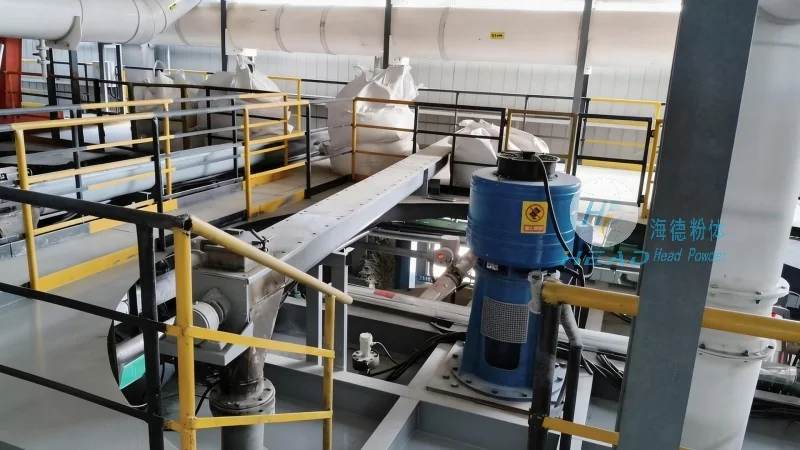
2. Flexibility and Scalability: Pneumatic conveying systems can be easily modified or expanded to accommodate changing production needs or new applications.
3. Low Maintenance: With fewer moving parts compared to mechanical systems, pneumatic conveying systems require less maintenance and have lower downtime.
4. Energy Efficiency: Modern pneumatic conveying systems are designed to be energy-efficient, reducing operational costs and environmental impact.
Applications of Loess Powder Pneumatic Conveying
Loess powder pneumatic conveying is widely used in various industries due to its versatility and efficiency. Some common applications include:
1. Construction Industry: Loess powder is used as a raw material in the production of cement, concrete, and other building materials. Pneumatic conveying systems are used to transport loess powder from storage silos to production lines.
2. Mining Industry: In mining operations, loess powder may be used as a filler or binder. Pneumatic conveying helps transport the material from mining sites to processing facilities.
3. Chemical Industry: Some chemical processes require loess powder as an ingredient. Pneumatic conveying ensures the material is transported safely and without contamination.
4. Food and Pharmaceutical Industry: In some applications, loess powder may be used as a filler or excipient. Pneumatic conveying systems maintain the material's purity and prevent cross-contamination.
Conclusion
Loess powder pneumatic conveying is a highly effective method for transporting fine-grained materials like loess powder. The operation process involves careful control of material feeding, air injection, and pipeline transport, while the working principle relies on fluidization and suspension. With its advantages in dust control, flexibility, and efficiency, pneumatic conveying systems are a preferred choice for many industries. Shandong HeadPowder Engineering Co., Ltd. provides reliable and customized pneumatic conveying solutions that meet the specific needs of clients, ensuring efficient and safe material handling for loess powder applications.