

Operation Process and Working Principle of Fiber Air-Flow Conveying
Fiber air-flow conveying systems are widely used in the chemical and textile industries for the efficient transportation of synthetic fibers. These systems utilize air as the conveying medium to move bulk materials from one location to another, offering advantages such as low maintenance, minimal product contamination, and the ability to handle delicate materials. This article provides a detailed overview of the operation process and working principles of fiber air-flow conveying, with a focus on the practical application and technical aspects of such systems, as exemplified by the solutions offered by Shandong HeadPowder Engineering Co., Ltd. from China.
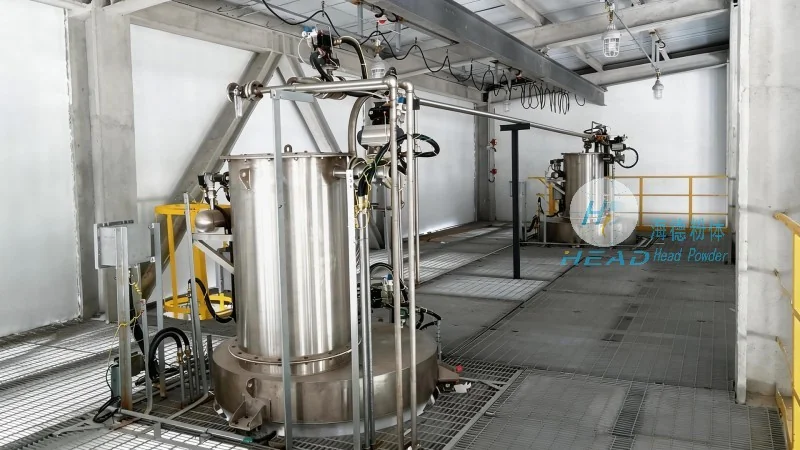
Key Components of a Fiber Air-Flow Conveying System
Before delving into the operation process, it is essential to understand the key components that make up a typical fiber air-flow conveying system. These components work in concert to ensure smooth and efficient material transport. The primary components include:
- Feeder: The feeder is responsible for feeding the fiber material into the conveying system. It ensures a consistent and controlled flow of material, preventing blockages and maintaining system efficiency.
- Conveying Pipe: The main body of the system, the conveying pipe is where the fiber material is transported by the air flow. It is typically made of durable materials like stainless steel or plastic to withstand the abrasive nature of fibers and the pressure of the air.
- Air Blower: The air blower provides the necessary air pressure and volume to move the fiber material through the conveying pipe. It is a critical component that determines the system's conveying capacity and efficiency.
- Control Valves: Control valves are used to regulate the air flow and pressure within the system. They allow operators to adjust the conveying speed and volume as needed, ensuring optimal performance.
- Separation and Collection Equipment: This component is responsible for separating the fiber material from the air stream and collecting it in the desired location. It may include cyclones, filters, or other separation devices.
Working Principle of Fiber Air-Flow Conveying
The working principle of fiber air-flow conveying is based on the principle of fluid dynamics, where the fiber material is suspended and transported by the high-velocity air flow. The process can be broken down into several stages:
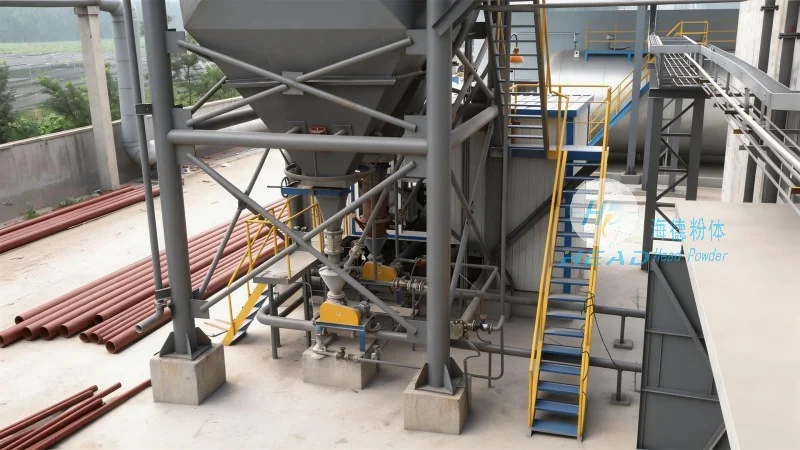
- Material Feeding: The fiber material is fed into the system via the feeder. The feeder ensures a steady flow of material, which is then introduced into the conveying pipe.
- Air Injection: The air blower injects high-pressure air into the conveying pipe. The air flows through the pipe, creating a high-velocity stream that interacts with the fiber material.
- Suspension and Conveying: As the air flows through the pipe, it lifts and suspends the fiber particles. The air velocity is maintained at a level sufficient to keep the fibers in suspension, allowing them to be transported along the pipe.
- Transport to Destination: The suspended fiber material is carried by the air flow to the destination point, such as a storage silo or processing unit.
- Separation and Collection: At the destination, the separation equipment removes the fiber material from the air stream. The air is then filtered and discharged, while the fiber material is collected for further use.
Operation Process of Fiber Air-Flow Conveying
The operation process of a fiber air-flow conveying system involves several steps that ensure the system runs smoothly and efficiently. The process typically includes the following stages:
- System Preparation: Before starting the operation, the system is prepared by checking all components for proper functioning. This includes inspecting the feeder, air blower, control valves, and separation equipment. Any maintenance or repairs are performed at this stage to ensure the system is ready for operation.
- Material Loading: The fiber material is loaded into the feeder. The feeder is then started, and the material is fed into the conveying pipe at a controlled rate. The rate is adjusted based on the required conveying capacity and the system's performance.
- System Start-up: The air blower is started, and the air flow is adjusted to the desired pressure and volume. The control valves are set to maintain the appropriate air flow rate. The system is then allowed to stabilize, ensuring that the air velocity is sufficient to keep the fibers in suspension.
- Conveying Operation: Once the system is stable, the conveying operation begins. The fiber material is transported from the loading point to the destination point at a consistent rate. The operator monitors the system's performance, checking for any signs of blockages or inefficiencies.
- System Shutdown: When the conveying operation is complete, the system is shut down in a controlled manner. The air blower is turned off first, followed by the feeder. The control valves are adjusted to reduce the air flow to zero. The separation equipment is then stopped, and the collected fiber material is removed from the system.
Advantages and Considerations for Fiber Air-Flow Conveying
Fiber air-flow conveying systems offer several advantages, making them a preferred choice for many industries. Some of the key advantages include:
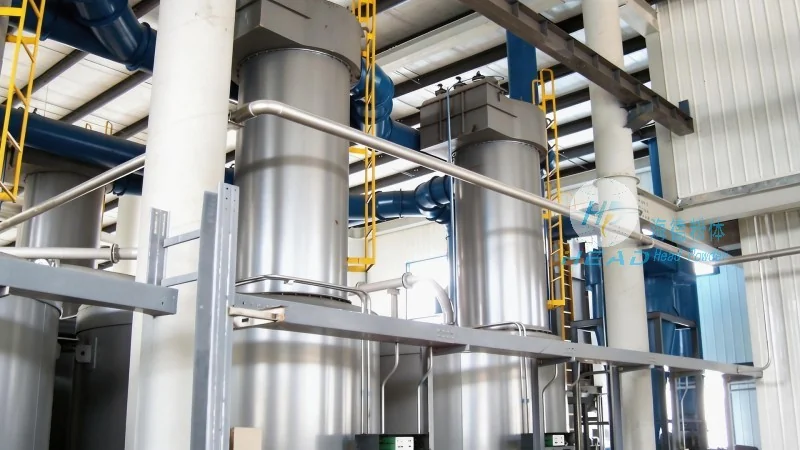
- Low Maintenance: The system has fewer moving parts compared to mechanical conveying systems, resulting in lower maintenance costs and longer service life.
- Minimal Product Contamination: The enclosed system prevents contamination from external sources, ensuring the purity of the fiber material.
- Ability to Handle Delicate Materials: The system is suitable for handling delicate and abrasive fiber materials without causing damage or degradation.
- Space Efficiency: The system can be installed in a compact space, making it suitable for facilities with limited floor space.
However, there are also some considerations to keep in mind when using fiber air-flow conveying systems. These include the need for proper air filtration to prevent dust accumulation and the requirement for regular maintenance to ensure optimal performance.
Conclusion
Fiber air-flow conveying systems are an efficient and effective method for transporting synthetic fibers. Understanding the operation process and working principles of such systems is crucial for optimizing their performance and ensuring reliable operation. By following the proper operation procedures and maintaining the system regularly, users can maximize the benefits of fiber air-flow conveying and achieve efficient material transport in their industrial applications.