

Principle and Working Scenario Characteristics of Pneumatic Conveying for Polyethylene Powder Materi
HeadPowder, a leading provider in the field of material handling solutions, specializes in advanced pneumatic conveying systems tailored for polyethylene powder applications. This article explores the fundamental principles behind pneumatic conveying technology and highlights the key characteristics of its working scenarios, offering insights into how these systems enhance operational efficiency and material transport reliability.
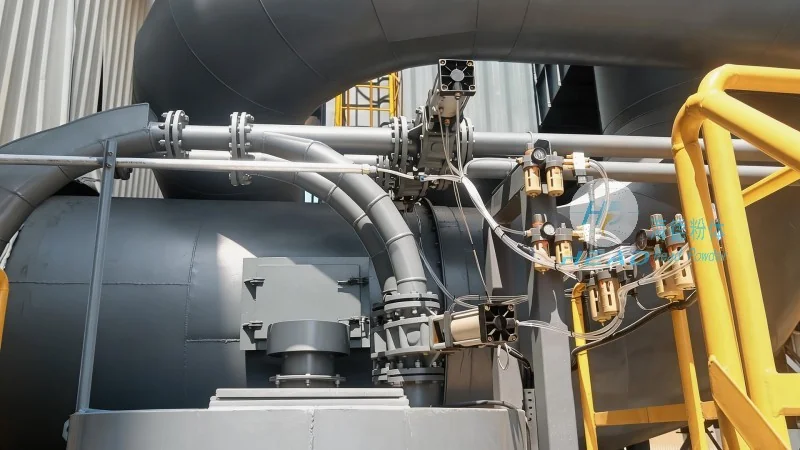
Pneumatic Conveying: Core Principles for Polyethylene Powder Handling
Pneumatic conveying, also known as pneumatic transport, is a method of transporting bulk materials, such as polyethylene powder, through a pipeline using a gas stream, typically air or a mixture of air and other gases. The process involves several key components and mechanisms that work in tandem to move the material from a source to a destination. At its core, the system relies on the generation of a pressure differential within the pipeline to create a flow of air that propels the powder particles. This is achieved through the use of blowers or compressors that supply the necessary air pressure, while the material is introduced into the system at the inlet point. The interaction between the gas and the powder particles is critical; the air flow must be sufficient to overcome the gravitational and frictional forces acting on the particles, ensuring stable and continuous transport. The design of the conveying system, including the type of blower, pipeline diameter, and the configuration of inlets and outlets, plays a pivotal role in optimizing the conveying performance. For polyethylene powder, which is often fine and can be prone to static charge or agglomeration, the system must be engineered to maintain particle integrity and prevent blockages. This involves considerations such as the use of appropriate air velocities, the incorporation of static eliminators or anti-static additives, and the selection of materials for the pipeline and components that are resistant to corrosion and wear. The principle of dilute-phase versus dense-phase conveying is also relevant, as it determines the flow characteristics and the energy efficiency of the system. Dilute-phase conveying, where the powder is suspended in the air stream, is commonly used for long-distance or high-velocity transport, while dense-phase conveying, where the powder is conveyed in a slurry-like state, is preferred for short distances or when gentle handling is required to avoid product degradation. HeadPowder’s expertise lies in customizing these principles to meet the specific needs of polyethylene powder applications, ensuring that the conveying system is both efficient and reliable.
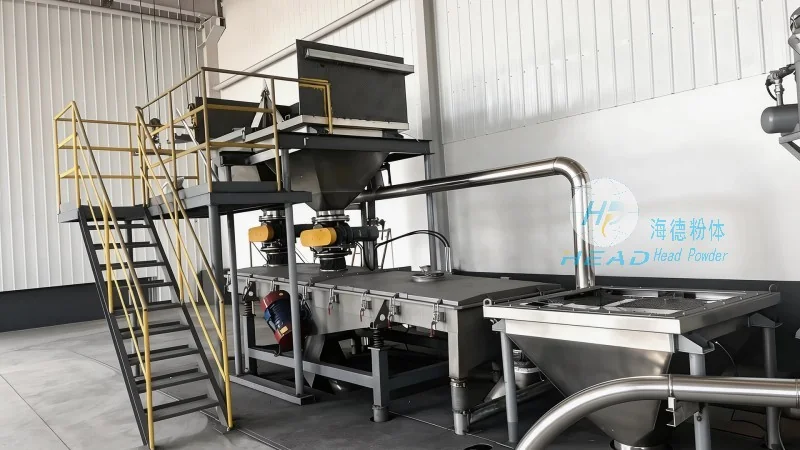
Working Scenario Characteristics: Tailoring Pneumatic Conveying to Polyethylene Powder Needs
The working scenario characteristics of pneumatic conveying systems for polyethylene powder are shaped by the unique properties of the material and the operational requirements of the end-user. These characteristics include factors such as the scale of the operation, the distance between the source and destination, the required flow rate, and the environmental conditions. For instance, in industrial settings where large volumes of polyethylene powder need to be transported over long distances, a high-capacity dilute-phase system may be employed. This type of system utilizes high air velocities to keep the powder particles suspended, allowing for continuous and unobstructed flow. The design of the pipeline, including the use of bends, elbows, and expansion joints, is crucial to minimize pressure losses and maintain the stability of the powder-air mixture. In contrast, for applications where the powder is sensitive to mechanical stress or where the distance is short, a dense-phase conveying system may be more suitable. This approach involves reducing the air velocity to a level where the powder particles are conveyed in a more compact state, reducing the risk of attrition and maintaining the material’s quality. The working scenario also considers the integration of the conveying system with other processes, such as storage, mixing, or packaging. For example, in a manufacturing plant, the polyethylene powder may be conveyed from a storage silo to a mixing unit or a extrusion line. The system must be designed to interface seamlessly with these downstream processes, ensuring a smooth transition and minimizing downtime. Another key aspect is the handling of variations in the material, such as changes in particle size, moisture content, or bulk density. Pneumatic conveying systems are typically equipped with controls that can adjust the air pressure or flow rate in response to these variations, maintaining consistent performance. HeadPowder’s systems are designed to accommodate these variations, providing flexibility and adaptability to changing operational conditions. Additionally, the working scenario characteristics include considerations for safety and maintenance. Pneumatic conveying systems are generally considered safer than mechanical conveying systems, as they eliminate the need for moving parts in the transport line. However, proper maintenance is essential to prevent issues such as blockages, corrosion, or air leaks. HeadPowder’s expertise in system design and maintenance ensures that the equipment operates reliably and with minimal downtime, contributing to the overall efficiency of the operation.
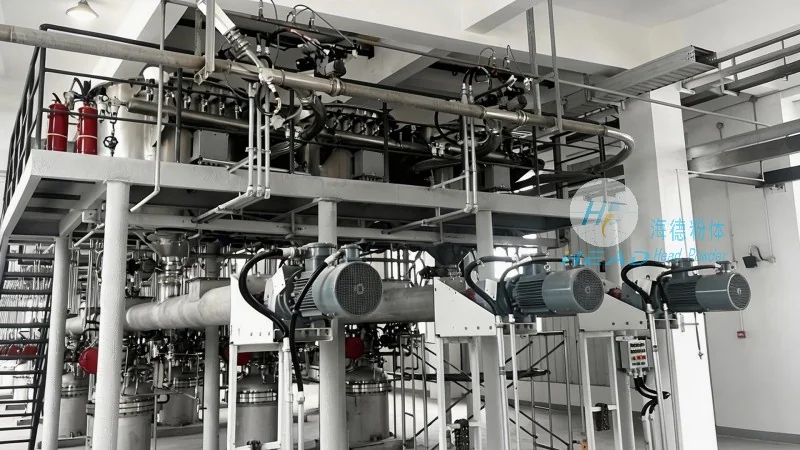
Applications and Benefits in Polyethylene Powder Handling
The working scenario characteristics of pneumatic conveying for polyethylene powder translate into significant benefits for various industries. These benefits include improved material handling efficiency, reduced labor costs, and enhanced product quality. By eliminating the need for manual handling or mechanical conveyors, pneumatic systems streamline the transport process, allowing for continuous operation and higher throughput. The ability to transport polyethylene powder over long distances without the need for intermediate storage or transfer points reduces the risk of contamination and product degradation. This is particularly important for polyethylene, which is often used in applications where purity and consistency are critical, such as in the production of plastic films, containers, or automotive parts. The working scenario also allows for the integration of the conveying system with other processing equipment, such as mixers, extruders, or granulators, creating a seamless production line. This integration enhances the overall productivity of the facility and reduces the time required for material transfer. Furthermore, the flexibility of pneumatic conveying systems enables them to be adapted to different operational needs, from small-scale laboratory applications to large-scale industrial production. HeadPowder’s systems are designed to meet these diverse requirements, providing solutions that are both effective and cost-efficient. The benefits of pneumatic conveying extend beyond operational efficiency to include environmental advantages. By using compressed air as the primary transport medium, the system reduces the need for additional equipment or infrastructure, such as conveyor belts or elevators, which can be energy-intensive and require regular maintenance. This contributes to lower operational costs and a smaller environmental footprint. In summary, the working scenario characteristics of pneumatic conveying for polyethylene powder are tailored to meet the specific needs of the material and the end-user, providing a reliable and efficient solution for material handling. HeadPowder’s expertise in this field ensures that the systems are designed to deliver optimal performance, contributing to the success of industrial operations.