

Principle and Working Scene Characteristics of Negative Pressure Material Pneumatic Conveying System
HeadPowder, a leading engineering company based in Shandong, China, specializes in the design, manufacturing, and implementation of advanced negative pressure material pneumatic conveying systems. These systems represent a sophisticated solution for the efficient and reliable transport of bulk materials over varying distances and within diverse industrial environments. The fundamental principle behind negative pressure conveying involves creating a vacuum in the conveying line, which draws material from the source into the system using air as the medium. This approach offers several advantages over traditional positive pressure systems, including reduced energy consumption, enhanced safety, and improved material handling capabilities.
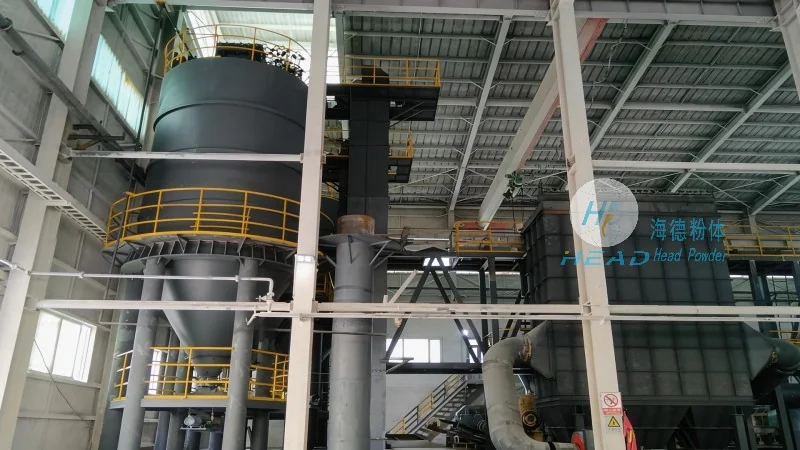
Core Principle of Negative Pressure Pneumatic Conveying
The operation of a negative pressure material conveying system is centered on the creation of a pressure differential. The system draws air and material from the source into a receiver or processing unit by maintaining a lower pressure within the conveying line compared to the ambient or source environment. This vacuum is typically generated by a vacuum pump or fan, which pulls air and material particles through the pipeline. The material is entrained by the air flow and transported to the destination point. The process is continuous and can handle a wide range of materials, from fine powders to granules, with minimal degradation or loss. The design of the system, including the choice of vacuum pump, pipeline layout, and material feed mechanisms, is critical to ensuring optimal performance and material integrity.
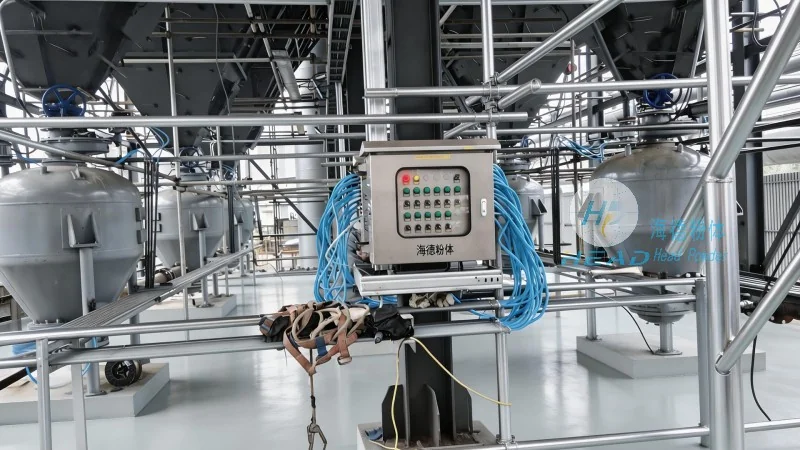
Key Working Scene Characteristics
The working scene characteristics of negative pressure material pneumatic conveying systems are tailored to meet the specific demands of various industrial applications. These systems are particularly well-suited for environments where material containment and dust control are paramount. For instance, in pharmaceutical and food processing industries, the sealed and enclosed nature of the system prevents contamination and ensures compliance with stringent hygiene standards. In chemical and petrochemical sectors, the system's ability to handle hazardous materials under controlled conditions minimizes the risk of exposure and environmental impact. The flexibility of the system allows for integration into existing production lines or as standalone solutions for material transfer between different processing stages. The scalability of the system also enables it to be adapted for both small-scale laboratory applications and large-scale industrial operations, making it a versatile choice for diverse operational needs.
Applications and Industry Integration
HeadPowder's negative pressure material conveying systems are deployed across multiple industries, demonstrating their broad applicability and reliability. In the chemical industry, these systems are used for transporting raw materials such as powders and granules to reactors and storage tanks. The system's ability to handle abrasive materials without causing wear to the pipeline or components is a significant advantage. In the food and beverage sector, the system's hygienic design and ability to maintain product purity are critical, ensuring that materials like flour, sugar, and spices are transferred without contamination. The pharmaceutical industry benefits from the system's ability to handle sensitive materials, such as active pharmaceutical ingredients (APIs), with precision and minimal risk of cross-contamination. Additionally, in the agricultural and mining sectors, the system is utilized for the transport of bulk materials like grains, minerals, and fertilizers, improving operational efficiency and reducing labor costs. The consistent performance of the system, regardless of the material type or operational conditions, makes it an essential component in modern industrial processes.
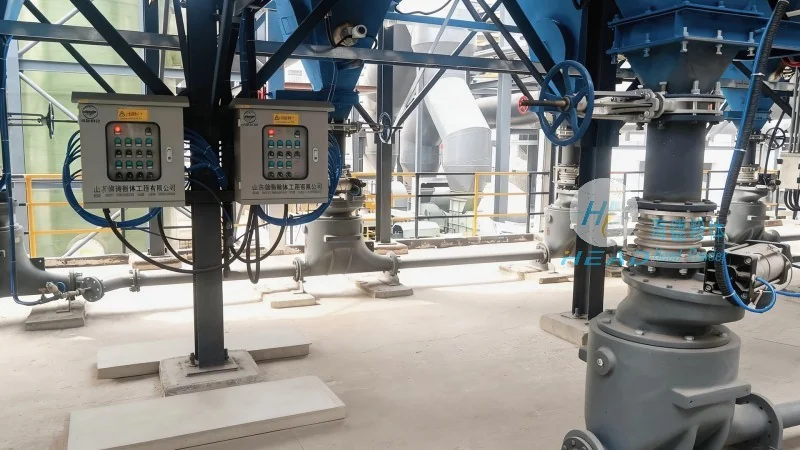
Advantages and Operational Benefits
Implementing a negative pressure material pneumatic conveying system offers several operational and economic benefits. The primary advantage is the reduction in energy consumption compared to positive pressure systems, as the vacuum pump operates at lower pressures and volumes. This leads to lower operational costs and a smaller environmental footprint. The system also enhances safety by containing material within the pipeline, preventing dust emissions and minimizing the risk of material spillage or exposure. From a maintenance perspective, the system's components are designed for durability and ease of cleaning, reducing downtime and maintenance expenses. The flexibility of the system allows for easy adjustments to material flow rates and pipeline configurations, adapting to changes in production requirements without significant modifications. Furthermore, the system's ability to handle a wide range of materials with minimal processing requirements reduces the need for additional equipment or pre-treatment steps, streamlining the overall material handling process.