

Principle and Working Scene Characteristics of Pneumatic Conveying for Polyethylene Pellet Materials
HeadPowder, a leading engineering firm based in Shandong, China, specializes in advanced material handling solutions, particularly focusing on the efficient and reliable pneumatic conveying of polyethylene pellets. This article delves into the fundamental principles behind this technology and explores the key characteristics of its application scenarios.
Pneumatic Conveying: An Overview
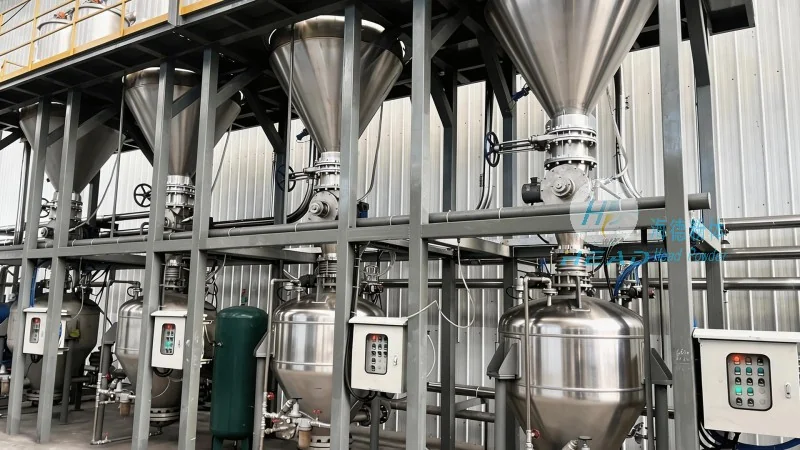
Pneumatic conveying is a method of transporting bulk materials, such as polyethylene pellets, through a pipeline using a stream of pressurized or vacuum air. The process involves the material being entrained by the air flow, carried through the system, and discharged at the destination. For polyethylene pellets, this method offers significant advantages over traditional mechanical conveying systems, including reduced equipment wear, lower maintenance costs, and enhanced safety in handling potentially dusty or hazardous materials.
The Core Principle of Pneumatic Conveying for Polyethylene Pellets
The principle of pneumatic conveying for polyethylene pellets revolves around the interaction between the material particles and the air stream. When air is introduced into the conveying line at a sufficient velocity, it creates a drag force that lifts and transports the pellets. The key factors influencing this process include the air velocity, the particle size and density of the polyethylene pellets, and the design of the conveying system components like the hopper, feeder, and pipeline. Proper design ensures that the air velocity is maintained above the "minimum conveying velocity" for the specific material, preventing deposition and ensuring smooth transport.
Key Working Scene Characteristics
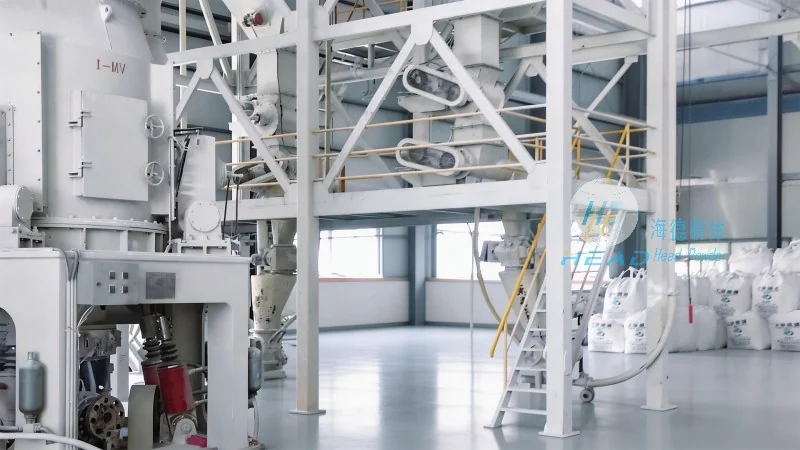
The application of pneumatic conveying for polyethylene pellets is characterized by several distinct features that make it suitable for various industrial settings. First, the system's ability to handle large volumes of material with minimal space requirements is a major advantage. This is particularly beneficial in facilities where floor space is limited, as the conveying lines can be installed vertically or horizontally with minimal footprint. Second, the technology offers excellent control over the material flow, allowing for precise dosing and regulation of the polyethylene pellets to downstream processes like extrusion or molding. This precision is crucial for maintaining consistent product quality and reducing waste.
System Components and Their Roles
A typical pneumatic conveying system for polyethylene pellets consists of several critical components, each playing a vital role in the overall operation. The hopper serves as the storage and feeding unit, where the pellets are loaded and then fed into the conveying line. The feeder, often a rotary valve or a screw feeder, regulates the flow rate of the material into the system, ensuring a consistent supply. The pipeline, made from materials resistant to the polyethylene pellets and the conveying air, transports the material from the source to the destination. The discharge unit, such as a receiver or a cyclone separator, collects the pellets at the end of the line, separating them from the air stream. Each component must be carefully selected and sized to match the specific characteristics of the polyethylene pellets and the operational requirements of the application.
Advantages and Considerations in Industrial Applications
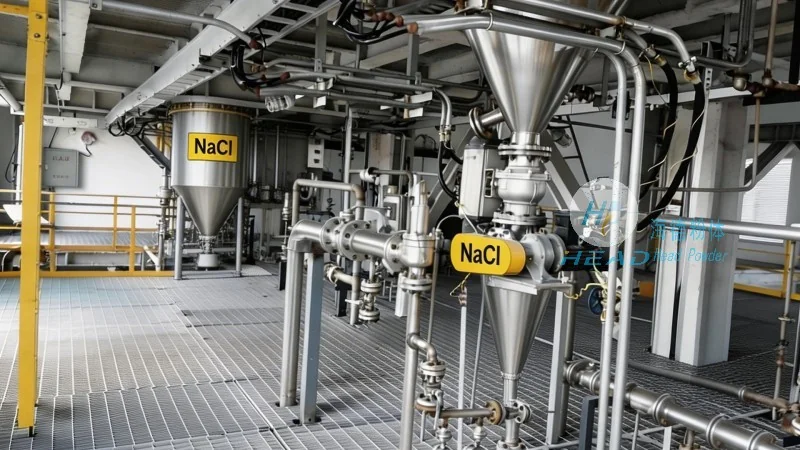
Implementing pneumatic conveying for polyethylene pellets in industrial settings provides numerous benefits. The primary advantage is the reduction in labor costs associated with manual handling and loading of the material. Additionally, the system minimizes product contamination, as the material is contained within the pipeline, preventing exposure to external elements or contaminants. Another key benefit is the improved safety, as the material is transported without direct human contact, reducing the risk of accidents or exposure to dust. However, there are also considerations to keep in mind. For instance, the system requires regular maintenance to ensure optimal performance, as components like the feeder and pipeline can experience wear from the abrasive nature of the polyethylene pellets. Furthermore, the initial investment for a pneumatic conveying system can be higher than traditional mechanical systems, though the long-term cost savings often justify the investment.
Conclusion
HeadPowder Engineering Co., Ltd., based in Shandong, China, leverages its expertise in pneumatic conveying technology to provide tailored solutions for the efficient handling of polyethylene pellets. By understanding the fundamental principles and working scene characteristics of this technology, industrial facilities can optimize their material handling processes, enhance productivity, and ensure consistent product quality. The combination of advanced engineering and practical application makes pneumatic conveying an indispensable tool for modern polyethylene processing operations.