

Principles and Working Scene Characteristics of Pneumatic Conveying for Lightweight Micropowder Mate
Understanding the fundamental principles of pneumatic conveying is crucial for industries dealing with lightweight micropowder materials. This method involves transporting solid particles through a pipeline using a gas stream, typically air or other gases. The core concept revolves around creating a pressure differential that propels the material from the source to the destination. For lightweight micropowders, which often have low bulk density and fine particle sizes, conventional gravity-based systems are inefficient. Pneumatic conveying offers a solution by leveraging the kinetic energy of the gas to move these delicate materials without the need for mechanical components like belts or buckets.
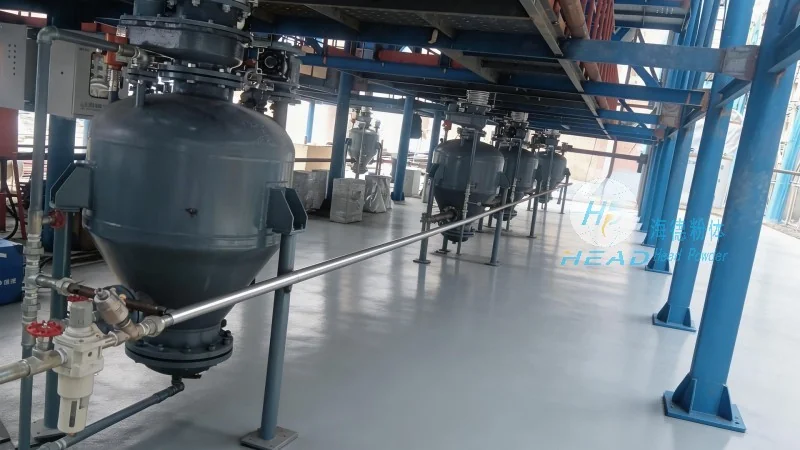
Key Working Scene Characteristics
The application of pneumatic conveying in scenarios involving lightweight micropowders is defined by several distinct characteristics. First, the system must handle materials with low bulk density, which can range from a few hundred to several thousand kilograms per cubic meter. This characteristic influences the design of the conveying line, as lower density means less material mass to move, but the fine particle size can cause issues like caking or agglomeration if not properly managed. Second, the fine particle size of these materials often leads to high dust generation during handling. Pneumatic systems are designed with dust control measures, such as sealed pipelines and filtration systems, to mitigate environmental and health risks. Third, the need for gentle handling is paramount. Lightweight micropowders are sensitive to mechanical stress, which can degrade their quality or cause particle breakage. Therefore, the conveying system must use low-velocity or controlled-velocity air flow to minimize impact and maintain material integrity.
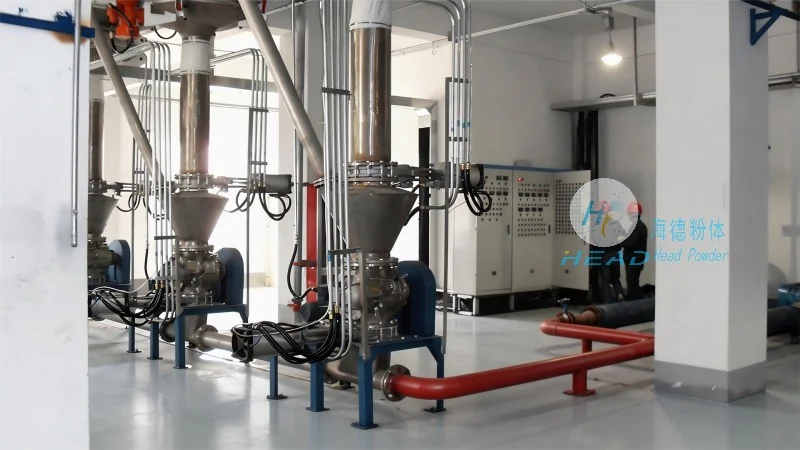
HeadPowder's Expertise in Pneumatic Conveying Solutions
Shandong HeadPowder Engineering Co., Ltd. specializes in providing customized pneumatic conveying systems tailored to the unique requirements of lightweight micropowder materials. With a base in Shandong, China, the company leverages decades of experience in material handling to deliver efficient and reliable solutions. HeadPowder's approach focuses on understanding the specific properties of each material, such as particle size distribution, moisture content, and flow characteristics, to design a system that optimizes performance and minimizes operational issues. The company's engineers work closely with clients to assess their working scenarios, ensuring that the chosen pneumatic conveying method aligns with the material's handling needs and the operational environment.
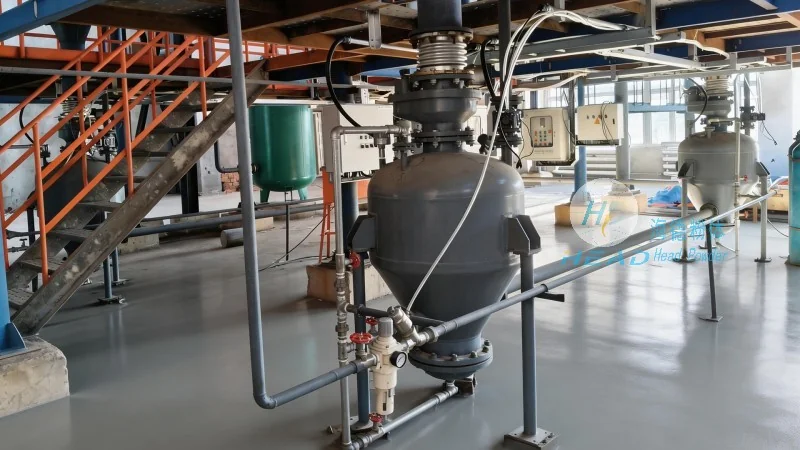
Practical Applications and System Design Considerations
Pneumatic conveying systems for lightweight micropowders are widely used in various industries, including pharmaceuticals, food processing, and chemical manufacturing. In pharmaceutical applications, for example, the system must meet stringent regulatory standards for cleanliness and material purity. The design incorporates features like stainless steel construction, CIP (Clean-In-Place) capabilities, and HEPA filtration to ensure compliance. In food processing, the system may need to handle materials like powdered milk or sugar, where hygiene and product quality are critical. The design includes sanitary components and easy-to-clean surfaces to maintain food safety standards. Chemical manufacturers often use pneumatic conveying for handling fine powders like pigments or catalysts, where the system must be robust enough to handle abrasive materials and resistant to corrosion from chemicals. System design considerations also include the selection of appropriate air flow rates, pipeline diameters, and pressure levels. For lightweight micropowders, lower air velocities are often used to prevent particle degradation and maintain material quality. The use of pulse-jet or dilute-phase conveying systems is common, as they provide efficient material transport while minimizing energy consumption.
Advantages of Pneumatic Conveying for Lightweight Micropowders
Compared to other material handling methods, pneumatic conveying offers several advantages for lightweight micropowders. One of the primary benefits is the ability to handle materials that are difficult to transport using gravity or mechanical systems. The system can transport materials over long distances without the need for intermediate storage or transfer points, reducing the risk of contamination and material loss. Another advantage is the flexibility of the system, which can be adapted to different working scenarios and material types. The modular design allows for easy expansion or modification as production needs change. Additionally, pneumatic conveying systems are generally more energy-efficient than other methods, especially when using low-velocity air flow. This efficiency translates to lower operational costs and reduced environmental impact. The system also provides better control over material flow, allowing for precise dosing and batching, which is essential in industries like pharmaceuticals and food processing where consistency is critical.
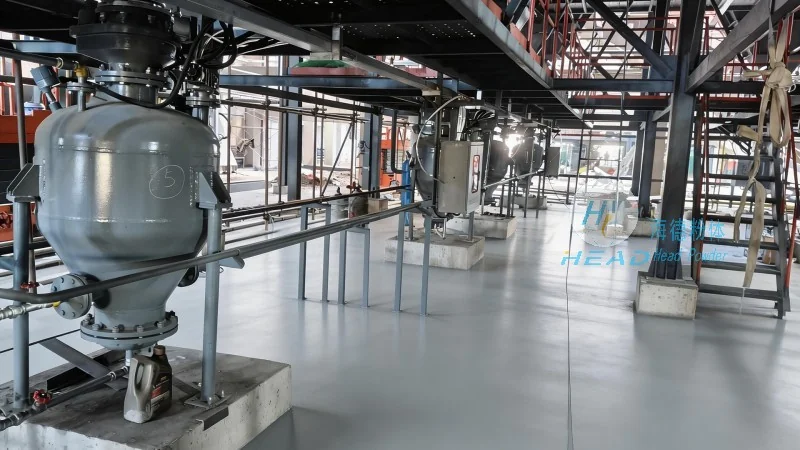
Conclusion and Future Directions
In conclusion, pneumatic conveying is a highly effective method for handling lightweight micropowder materials, offering solutions to the challenges posed by their low density and fine particle size. The working scene characteristics, such as dust control and gentle handling, are addressed through specialized system designs. Companies like Shandong HeadPowder Engineering Co., Ltd. play a vital role in providing customized solutions that meet the specific needs of industries dealing with these materials. As technology advances, future developments may include the integration of automation and IoT (Internet of Things) systems to enhance monitoring and control of pneumatic conveying processes. This will further improve efficiency and reliability, ensuring that lightweight micropowder materials are handled safely and effectively in various applications.