

Principles and Application Scenarios of Air-Driven Powder Conveying for Winery Residue
Winery residue, commonly known as grape pomace or distillers' grain, is a byproduct of the winemaking process. Efficient handling and transportation of this material are crucial for the sustainability and operational efficiency of wineries. Air-driven powder conveying technology offers a reliable solution for moving these powdery residues, and understanding its principles and application scenarios is essential for optimizing winery operations.
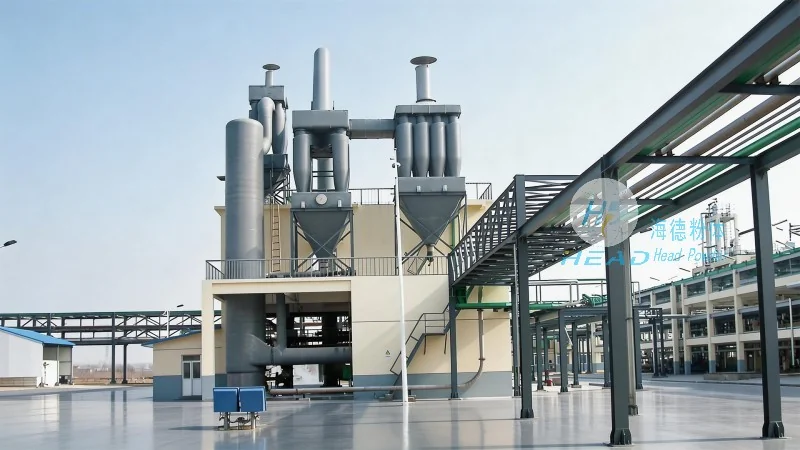
Principles of Air-Driven Powder Conveying
At the core of air-driven powder conveying is the use of air as the medium to transport solid particles. This method can be categorized into two main types: positive pressure (or pressure) systems and negative pressure (or vacuum) systems. Positive pressure systems generate air pressure within the conveying line, pushing the material forward, while negative pressure systems create a vacuum that draws the material into the line. For winery residues, which often have a relatively fine particle size and moderate moisture content, a combination of these principles may be employed to ensure effective and low-damage transport.
The conveying process involves several key components: a blower or compressor to generate the air flow, a hopper or feeder to introduce the material, a conveying line (typically made of metal or flexible tubing), and a discharge point where the material is deposited. The air velocity within the line must be sufficient to keep the particles suspended and prevent clogging, which is critical for maintaining consistent flow rates. Factors such as particle size distribution, bulk density, and moisture content of the winery residue significantly influence the optimal air velocity and system design.
Application Scenarios in Winery Operations
Winery residues are generated in various stages of the winemaking process, including crushing, pressing, and fermentation. Air-driven powder conveying is particularly well-suited for handling these residues due to its ability to transport materials over long distances without the need for mechanical components like belts or screws, which can be prone to wear and tear in environments with high humidity and organic content.
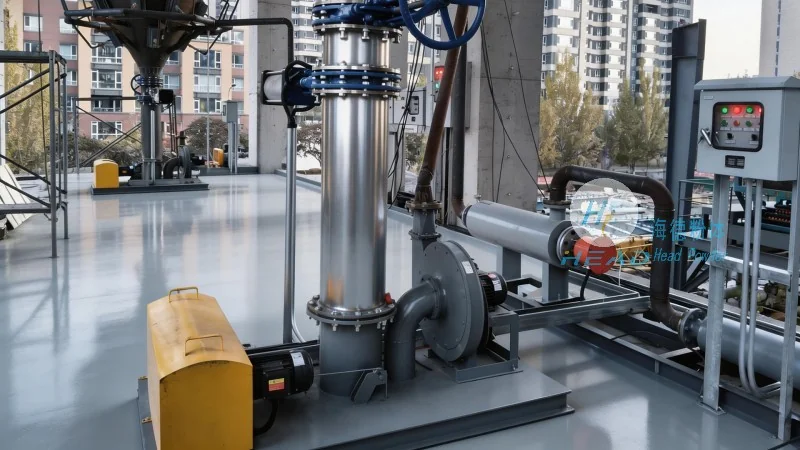
In a typical winery setting, the system may be used to transport grape pomace from the crushing area to a storage silo or to a drying facility. The conveying line can be installed above ground or underground, depending on the layout of the winery and the need to avoid obstructions or maintain hygiene standards. For example, in a large-scale winery, a network of conveying lines may be integrated with the production line to create a closed-loop system, reducing the risk of contamination and improving material handling efficiency.
Another common application is the transport of distillers' grain from the distillation process to a storage or processing area. The grain, which is a high-protein byproduct, can be sensitive to moisture and temperature changes, making the choice of air velocity and system materials critical. Air-driven systems allow for gentle handling, minimizing the breakdown of the grain structure and preserving its nutritional value, which is important for downstream applications such as animal feed production.
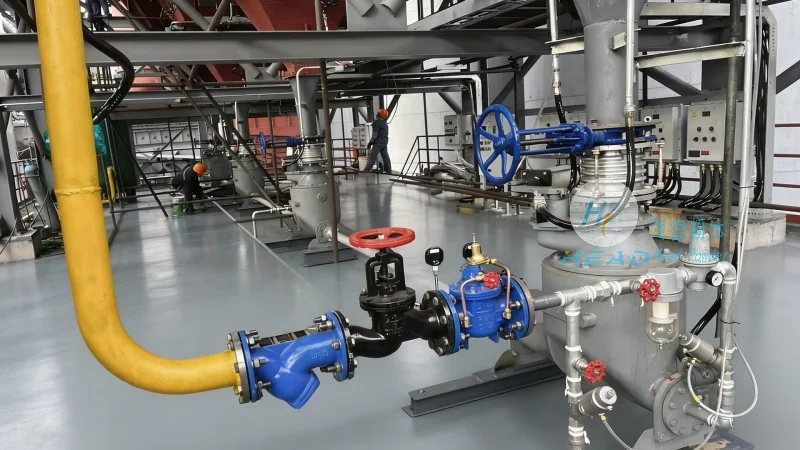
Advantages and Considerations for Winery Residue Handling
Compared to traditional mechanical conveying methods, air-driven powder conveying offers several advantages for winery residue handling. These include reduced equipment maintenance, as there are fewer moving parts, and lower risk of material contamination due to the enclosed system. Additionally, the technology can handle a wide range of particle sizes and moisture levels, making it versatile for different types of winery residues.
However, there are also considerations to keep in mind when implementing such a system. The initial investment cost may be higher than for simple belt conveyors, and the energy consumption of the blower or compressor needs to be managed to ensure cost-effectiveness. Furthermore, the design of the system must account for the specific properties of the winery residue, such as its tendency to clump or clog, to prevent operational issues.
Conclusion
Understanding the principles and application scenarios of air-driven powder conveying is vital for wineries seeking to optimize the handling of their residues. By leveraging this technology, wineries can improve operational efficiency, reduce waste, and enhance the quality of their byproducts. As a leading provider in this field, Shandong HeadPowder Engineering Co., Ltd., based in Shandong, China, specializes in designing and implementing customized air-driven conveying systems tailored to the unique needs of winery operations.