

Principles and Working Scene Characteristics of Pneumatic Conveying for Calcined Fly Ash Powders
Shandong HeadPowder Engineering Co., Ltd., commonly known as HeadPowder, is a professional enterprise dedicated to the research, development, and application of advanced material handling technologies. With its headquarters located in Shandong, China, the company specializes in providing efficient and reliable solutions for the pneumatic conveying of calcined fly ash powders. HeadPowder combines years of industry experience with cutting-edge engineering to deliver high-performance systems tailored to the unique needs of various industrial applications.
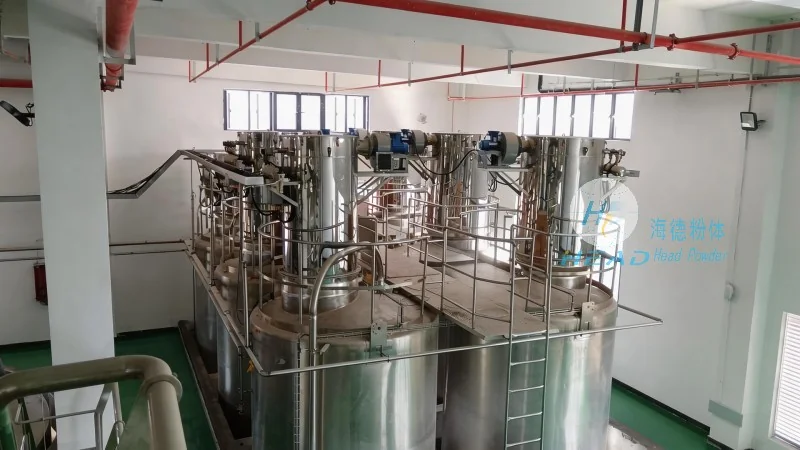
The Principle of Pneumatic Conveying for Calcined Fly Ash Powders
Pneumatic conveying is a method of transporting bulk materials, such as calcined fly ash, through a pipeline using a gas stream, typically air or other gases. The core principle involves creating a pressure differential between the conveying line and the ambient environment. In the case of calcined fly ash, which is a fine powder with specific physical properties, the system utilizes a combination of positive and negative pressure stages to ensure stable and efficient transport. The process begins with the material being introduced into the conveying line, where it is entrained by the moving gas. The gas flow then carries the powder particles through the pipeline, overcoming gravitational and frictional forces. Key components in this system include the feeder, which controls the material feed rate, the conveyor line, and the separation or discharge equipment at the destination. The selection of the appropriate conveying mode—such as dilute-phase or dense-phase—depends on factors like material characteristics, distance, and required flow rate. Dilute-phase conveying uses higher gas velocities to transport the material in a dispersed state, while dense-phase conveying employs lower velocities and higher pressure to move the material in a more compact form, reducing the risk of particle degradation and system wear.
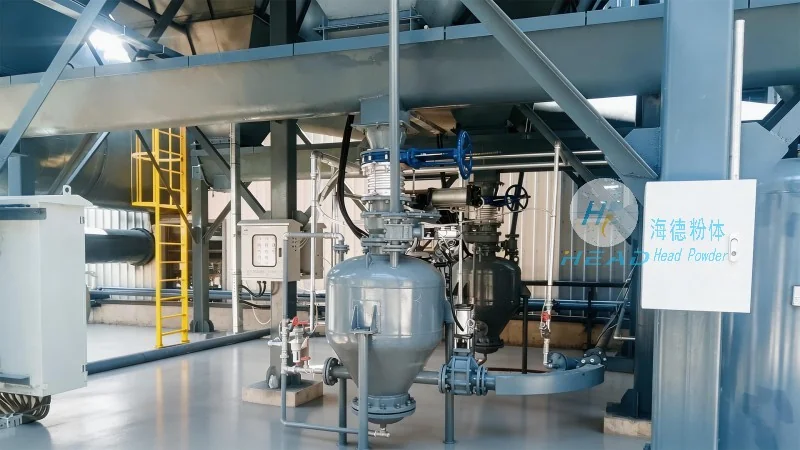
Working Scene Characteristics of Pneumatic Conveying Systems
The working scene characteristics of pneumatic conveying systems for calcined fly ash powders are influenced by several factors that impact system performance and operational efficiency. One of the primary characteristics is the material's particle size and density, which directly affect the required air velocity and pressure. Calcined fly ash typically has a fine particle size, often ranging from 10 to 100 microns, and a relatively low bulk density. These properties make it susceptible to issues like caking or agglomeration if not handled properly. The system design must account for these characteristics to ensure consistent flow and prevent blockages. Another important characteristic is the conveying distance and layout, as longer distances may require additional booster fans or pressure vessels to maintain the necessary pressure differential. The system's flexibility is also a key characteristic, allowing for changes in material feed rates or destination points without significant modifications. This adaptability is crucial for industrial environments where production processes may vary. Additionally, the environmental conditions, such as temperature and humidity, can impact the material's behavior during transport. For example, high humidity may cause the fly ash to absorb moisture, affecting its flowability. Therefore, the system may include drying or conditioning steps to maintain optimal material properties. The energy consumption of the system is another critical characteristic, as it directly impacts operational costs. Modern pneumatic conveying systems are designed to be energy-efficient, using optimized air flow rates and component selection to minimize power usage while maintaining performance.
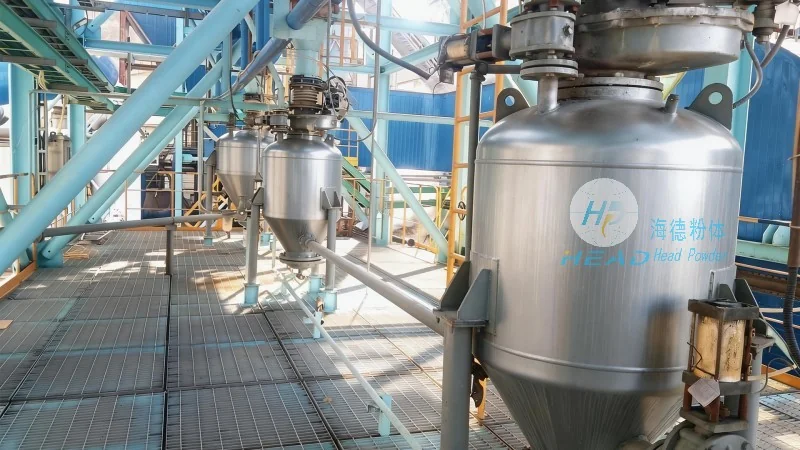
Application Scenarios in Industrial Settings
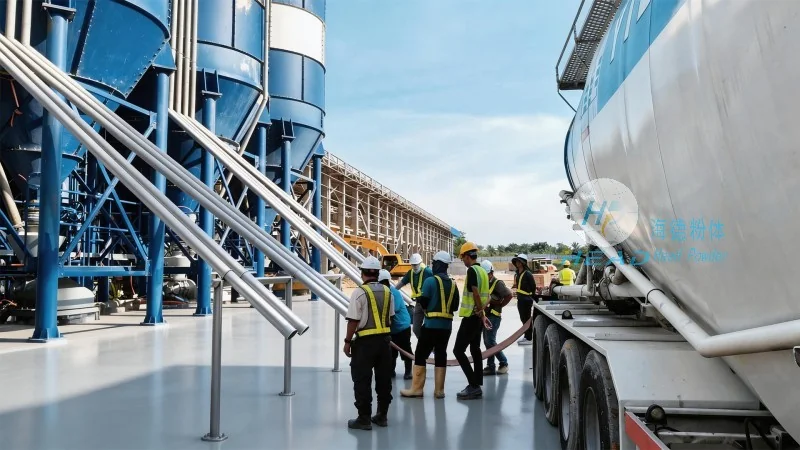
Pneumatic conveying systems for calcined fly ash powders are widely used in various industrial settings where efficient material handling is essential. One common application is in power plants, where calcined fly ash is transported from storage silos to processing facilities or disposal sites. The system ensures that the ash is moved safely and without dust emissions, adhering to environmental regulations. In cement and concrete production, calcined fly ash is used as a supplementary cementitious material (SCM), and the pneumatic conveying system facilitates its integration into the production process. The system allows for precise control over the ash feed rate, ensuring consistent quality of the final product. Another application is in the chemical industry, where calcined fly ash may be used as a raw material or additive in various processes. The system's ability to handle fine powders with high accuracy makes it suitable for these applications. Additionally, in the construction industry, calcined fly ash is used as a filler or admixture in building materials, and the pneumatic conveying system enables its efficient transport to construction sites. The versatility of the system allows it to adapt to different industrial requirements, making it a preferred choice for material handling in calcined fly ash applications.
Conclusion
Shandong HeadPowder Engineering Co., Ltd. provides advanced pneumatic conveying solutions for calcined fly ash powders, leveraging the principles of efficient material transport and tailored system design. By understanding the unique characteristics of calcined fly ash and the requirements of industrial applications, HeadPowder delivers systems that ensure reliable, low-maintenance operation. The company's expertise in material handling technology, combined with its commitment to quality and customer satisfaction, makes it a trusted partner for businesses seeking to optimize their calcined fly ash processing and transportation processes. With its headquarters in Shandong, China, HeadPowder continues to innovate and provide solutions that meet the evolving needs of the industry.