

Comparison of Common Glass Raw Material Conveying Methods: Advantages and Disadvantages
When it comes to the production of glass, the efficient and reliable transportation of raw materials is a critical factor that directly impacts the overall quality and productivity of the manufacturing process. Glass manufacturers rely on various conveying systems to move raw materials such as sand, soda ash, limestone, and other additives from storage areas to the melting furnaces. Each conveying method has its own set of advantages and disadvantages, and understanding these can help companies make informed decisions to optimize their operations. This article provides a detailed comparison of common glass raw material conveying methods, highlighting their pros and cons.
1. Screw Conveyors (Auger Conveyors)
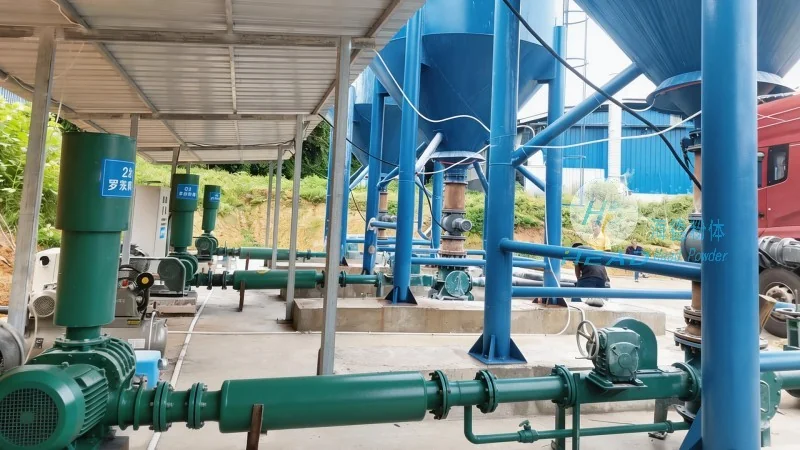
Screw conveyors are one of the most widely used equipment for transporting bulk materials in the glass industry. These systems consist of a rotating helical screw inside a U-shaped or cylindrical housing. The screw rotates, pushing the material forward along the length of the conveyor. For glass raw materials, screw conveyors are particularly effective for handling dry powders and granules. One of the main advantages of screw conveyors is their ability to operate in a closed system, which helps prevent dust contamination and ensures a clean environment. They are also relatively simple in design, making them easy to install and maintain. However, screw conveyors have some limitations. They are not suitable for transporting materials with high moisture content or those that are too abrasive, as this can cause wear and tear on the screw and housing. Additionally, the capacity of screw conveyors is generally lower compared to other methods like belt conveyors, which may limit their use in large-scale production lines.
2. Belt Conveyors
Belt conveyors are another popular choice for glass raw material transportation, especially for handling larger quantities of materials over longer distances. These systems use a continuous belt that moves over rollers or a flat surface, transporting the raw materials from one point to another. Belt conveyors are highly efficient and can handle a wide range of materials, including wet or sticky substances. They are also capable of transporting materials at high speeds, which increases the overall throughput of the production line. A significant advantage of belt conveyors is their ability to handle heavy loads without significant wear, making them durable and long-lasting. However, belt conveyors require more space compared to screw conveyors, which can be a limitation in facilities with limited floor space. Another drawback is that they are more complex to install and maintain, as the belt and rollers need regular inspection and replacement. Additionally, belt conveyors are not suitable for vertical lifting applications, as they are primarily designed for horizontal or slightly inclined transport.
3. Pneumatic Conveying Systems (Air-Driven Conveyors)
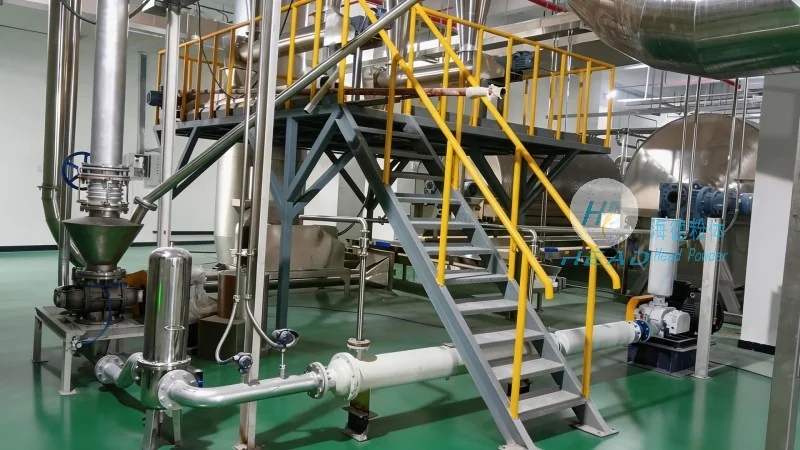
Pneumatic conveying systems use air pressure to transport glass raw materials through a network of pipes. These systems are ideal for handling fine powders and granules that are difficult to move with mechanical systems. One of the key advantages of pneumatic conveying is its ability to transport materials in a completely enclosed system, which prevents dust emissions and ensures a clean working environment. This is particularly important in glass manufacturing, where dust can affect the quality of the final product. Pneumatic systems are also flexible, as they can be easily reconfigured to change the path of the material flow. However, pneumatic conveying has some disadvantages. The main challenge is the high energy consumption, as it requires a powerful air compressor to generate the necessary pressure. Additionally, the system can be prone to blockages if the material is too fine or has high moisture content, which can lead to system downtime. Another limitation is that the capacity of pneumatic conveyors is generally lower than that of belt or screw conveyors, making them less suitable for large-scale production.
4. Bucket Elevators
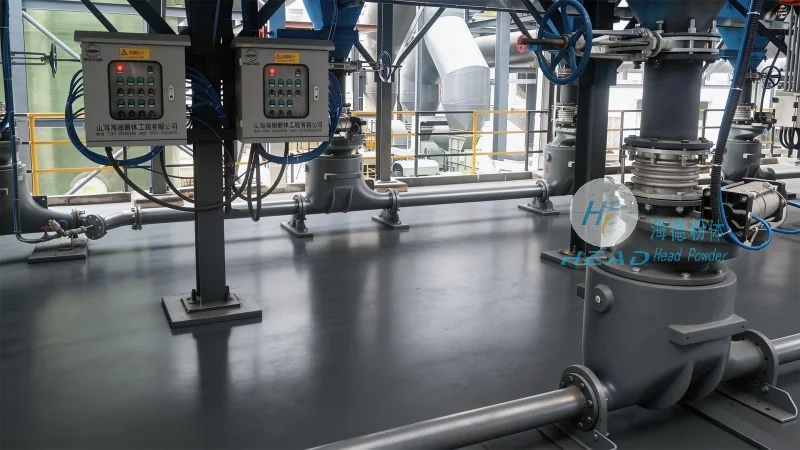
Bucket elevators are used for vertical or inclined transport of glass raw materials, especially when the material needs to be lifted to a higher level. These systems consist of a series of buckets attached to a chain or belt that moves up and down inside a vertical or inclined housing. The buckets scoop up the material at the bottom and release it at the top, transporting it vertically. One of the main advantages of bucket elevators is their high lifting capacity and efficiency, making them ideal for vertical transport in glass production lines. They are also relatively simple to operate and maintain, as the moving parts are enclosed and protected from the environment. However, bucket elevators have some limitations. They are not suitable for handling materials with high moisture content or those that are too abrasive, as this can cause wear on the buckets and housing. Additionally, the system can be noisy and requires regular lubrication to ensure smooth operation. Another drawback is that bucket elevators are more expensive to install compared to other conveying methods, which may be a factor for companies with budget constraints.
5. Combination Systems
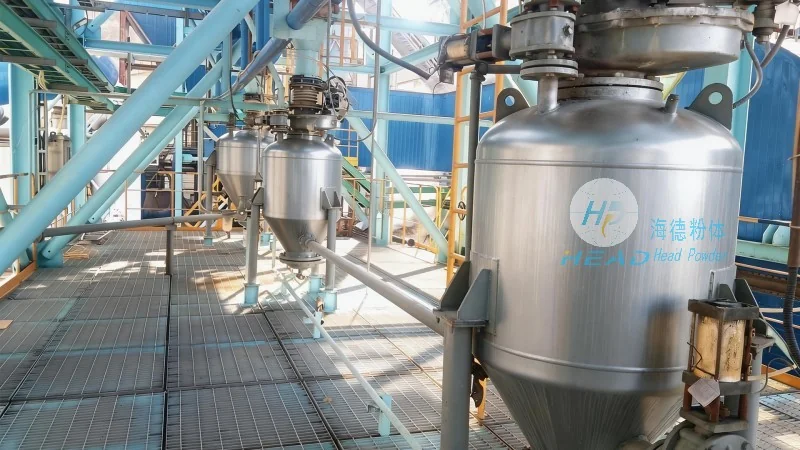
In many glass manufacturing facilities, a combination of different conveying systems is used to meet the specific needs of the production process. For example, a screw conveyor might be used to transport raw materials from a storage silo to a belt conveyor, which then transports them to the melting furnace. This combination allows for efficient handling of different material types and flow rates. The use of combination systems provides flexibility and can help optimize the overall conveying process. However, the design and integration of combination systems require careful planning to ensure smooth operation and minimal downtime. Companies should consider the specific requirements of their production line, such as material type, flow rate, and distance, when selecting a combination of conveying systems.
Conclusion and Recommendations
Choosing the right glass raw material conveying method is crucial for optimizing the production process and ensuring the quality of the final glass product. Each method has its own set of advantages and disadvantages, and the best choice depends on the specific needs of the glass manufacturer. Screw conveyors are ideal for handling dry powders and granules in a closed system, while belt conveyors are suitable for large-scale horizontal transport. Pneumatic conveying is perfect for fine powders that require dust-free transport, and bucket elevators are used for vertical lifting. By understanding the pros and cons of each method, companies can make informed decisions to select the most appropriate conveying system for their operations.