

Comparison of Common Pearl Salt Granule Conveying Methods: Advantages and Disadvantages
When it comes to transporting pearl salt granules in industrial settings, selecting the right conveying method is crucial for efficiency, cost-effectiveness, and operational safety. Pearl salt, a vital ingredient in food processing and other industries, requires reliable and efficient handling to maintain product quality and streamline production processes. This article provides a detailed comparison of common pearl salt granule conveying methods, highlighting their advantages and disadvantages to help businesses make informed decisions.
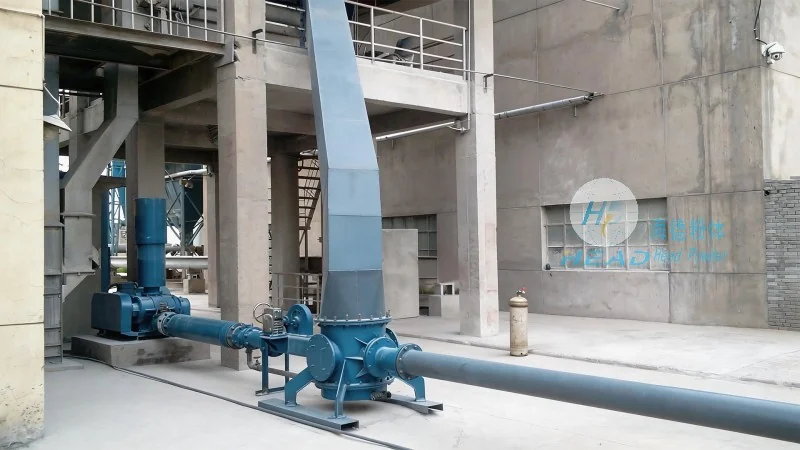
Overview of Pearl Salt Granule Conveying Methods
Pearl salt, also known as coarse salt or crystalline salt, is a granular form of sodium chloride used in various applications, including food seasoning, industrial processes, and water treatment. The choice of conveying method depends on factors such as the volume of material, distance to be transported, environmental conditions, and the specific requirements of the production line. Common methods include screw conveyors, pneumatic (air) conveyors, belt conveyors, and bucket elevators. Each method has its own set of advantages and limitations that must be considered when selecting the most suitable option for a particular application.
Screw Conveyors: Advantages and Disadvantages
Screw conveyors, also known as auger conveyors, are one of the most widely used methods for transporting granular materials like pearl salt. They consist of a rotating screw (auger) inside a U-shaped or tubular housing. The screw rotates, pushing the material forward through the conveyor. For pearl salt granules, screw conveyors offer several advantages. First, they are relatively simple in design and low in maintenance costs. Second, they can handle a wide range of material types, including abrasive materials like pearl salt, without causing excessive wear. Third, screw conveyors are suitable for both horizontal and inclined transport, making them versatile for different production layouts. However, there are notable disadvantages. One major drawback is the high risk of material bridging or clogging, especially with fine or cohesive granules like some types of pearl salt. This can lead to operational interruptions and increased downtime. Additionally, screw conveyors are not ideal for long-distance transport, as the friction and pressure can cause material degradation or increased energy consumption. They also generate more noise compared to other methods, which may be a concern in noise-sensitive environments.
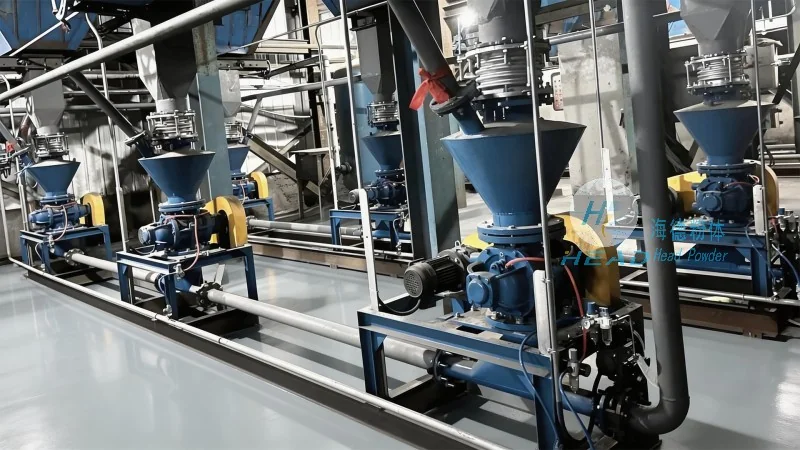
Pneumatic (Air) Conveyors: Advantages and Disadvantages
Pneumatic conveyors use air pressure to transport pearl salt granules through a pipeline system. These systems can be classified as pressure, vacuum, or a combination of both. The material is carried by air currents, either in a dilute-phase (where particles are suspended in the air) or dense-phase (where particles are more concentrated) mode. Pneumatic conveyors offer several advantages for pearl salt transport. They are highly effective for long-distance transport, often covering distances of several hundred meters without significant loss of material. They also provide a closed system, which helps prevent dust contamination and environmental pollution. This is particularly important for food-grade applications where hygiene is critical. Furthermore, pneumatic conveyors can handle both dry and wet materials, making them versatile for different production stages. However, pneumatic conveyors have significant disadvantages. The most notable is the high energy consumption, as they require powerful air compressors to generate the necessary pressure. This increases operational costs, especially for large-scale operations. Another drawback is the potential for material degradation due to the high-velocity air flow, which can cause abrasion or breakage of the granules. Additionally, the system is more complex to install and maintain, as it requires precise air pressure control and regular cleaning of the pipelines to prevent clogging. The initial investment for pneumatic conveyors is also higher compared to other methods.
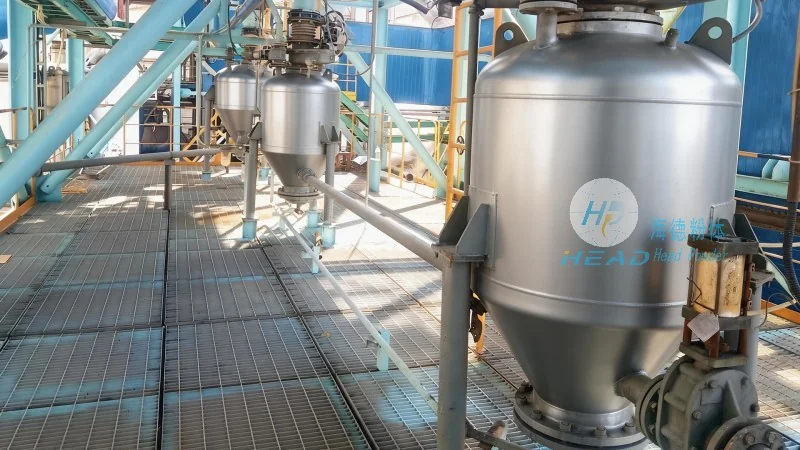
Belt Conveyors: Advantages and Disadvantages
Belt conveyors are another common method for transporting pearl salt granules, especially in bulk handling applications. They consist of a continuous belt that moves over rollers or pulleys, carrying the material from one point to another. Belt conveyors offer several advantages for pearl salt transport. They are highly efficient for transporting large volumes of material over long distances, making them suitable for high-throughput production lines. The system is relatively simple and low-maintenance, with fewer moving parts compared to other methods. Belt conveyors also provide a stable and reliable transport, reducing the risk of material spillage or loss. Additionally, they can be easily integrated with other equipment, such as feeders and sorters, to form a complete production line. However, belt conveyors have several disadvantages. One major limitation is their inability to handle vertical transport, as the material would slide off the belt. This restricts their use to horizontal or slightly inclined transport. Another drawback is the risk of material buildup on the belt, especially with sticky or cohesive granules like some types of pearl salt. This can lead to belt wear and tear, increasing maintenance costs. Additionally, belt conveyors are not suitable for transporting materials with high moisture content, as the belt may become slippery and cause material slippage. The system also requires regular cleaning and lubrication to prevent belt degradation.
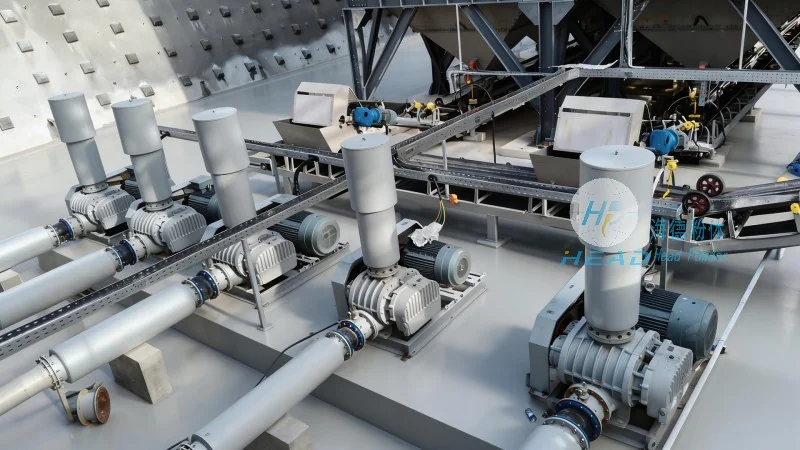
Bucket Elevators: Advantages and Disadvantages
Bucket elevators are vertical or inclined conveyors that use a chain or belt with attached buckets to transport pearl salt granules. The buckets are filled with material as they move up the elevator and discharge the material at the top. Bucket elevators offer several advantages for pearl salt transport. They are highly effective for vertical transport, allowing material to be lifted to significant heights without the need for multiple horizontal conveyors. This reduces the overall footprint of the production line and improves space utilization. The system is also capable of handling a wide range of material types, including abrasive and heavy granules like pearl salt. Additionally, bucket elevators provide a closed system, which helps prevent dust contamination and environmental pollution. However, bucket elevators have notable disadvantages. The most significant is the high risk of material spillage or loss during discharge, as the buckets may not completely empty. This can lead to material waste and increased operational costs. Another drawback is the high maintenance cost, as the buckets and chains are subject to wear and tear from the abrasive material. The system also requires regular inspection and replacement of worn parts to ensure safe and efficient operation. Additionally, bucket elevators are not suitable for long-distance horizontal transport, as the vertical lift is limited by the mechanical design.
Choosing the Right Conveying Method for Pearl Salt Granules
When selecting a conveying method for pearl salt granules, businesses must consider several factors to ensure optimal performance and cost-effectiveness. The first factor is the volume and distance of transport. For short distances and small volumes, screw conveyors or belt conveyors may be sufficient. However, for long-distance or high-volume transport, pneumatic conveyors or bucket elevators may be more appropriate. The second factor is the material characteristics, such as particle size, moisture content, and cohesion. Fine or cohesive granules may require a closed system like pneumatic conveyors to prevent clogging and loss. The third factor is the production environment, including space constraints and noise levels. If space is limited, bucket elevators may be preferred, while if noise is a concern, pneumatic conveyors may be avoided. The fourth factor is the budget and maintenance requirements. Simple systems like screw or belt conveyors may have lower initial costs and maintenance, while complex systems like pneumatic or bucket elevators may have higher costs but offer better performance for specific applications.