

Comparing Common Aggregate Conveying Methods: Advantages and Disadvantages
Efficient material handling is a critical aspect of construction and industrial operations, and the choice of conveying system for aggregates plays a pivotal role in optimizing workflow, reducing costs, and enhancing safety. In this article, we will explore several common aggregate conveying methods, analyzing their advantages and disadvantages to help you make an informed decision for your specific application. HeadPowder, a leading provider of material handling solutions, offers a range of equipment tailored to meet diverse industry needs, ensuring reliable and efficient aggregate transport.
Pulley Conveyor (Belt Conveyor)
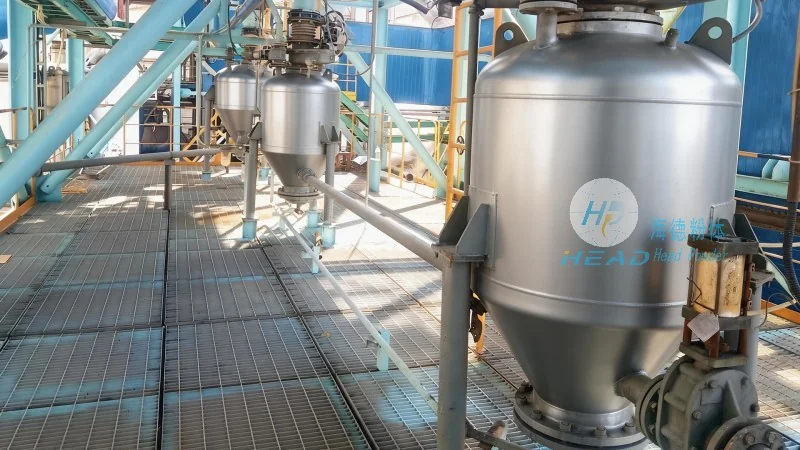
Pulley conveyors, or belt conveyors, are one of the most widely used methods for transporting aggregates. They consist of a continuous belt looped over two or more pulleys, with the material placed on the belt and carried to the desired location. The primary advantage of pulley conveyors is their high capacity and ability to transport materials over long distances with minimal maintenance. They are particularly suitable for horizontal or slightly inclined transport, making them ideal for bulk material handling in mining, construction, and manufacturing. However, they have some drawbacks, such as the need for regular belt tensioning and potential for material spillage if the belt is not properly aligned. Additionally, pulley conveyors may not be suitable for vertical lifting due to the mechanical limitations of the system.
Bucket Elevator
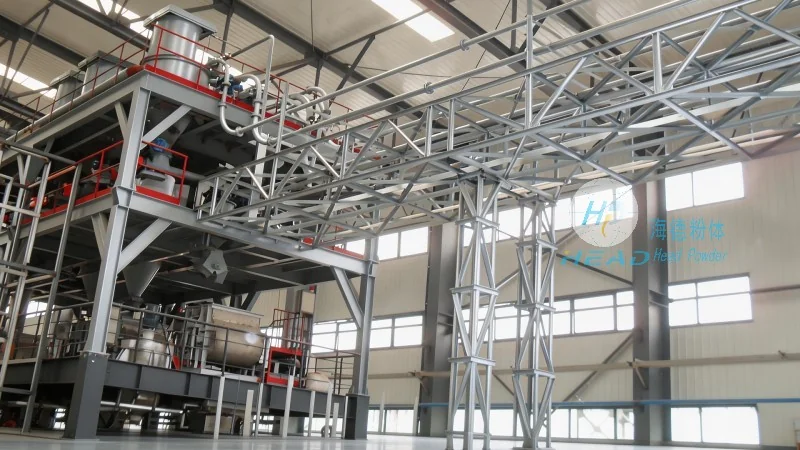
Bucket elevators are vertical or inclined conveyor systems that use a series of buckets attached to a chain or belt to lift and transport materials. This method is highly efficient for vertical transport and can handle both dry and wet aggregates. The main advantage of bucket elevators is their ability to transport materials vertically over significant heights, which is crucial in applications where space is limited or when moving materials from lower to higher levels. They also offer a compact design, reducing floor space requirements. However, bucket elevators have limitations, including higher initial costs compared to other systems and potential for material breakage if the buckets are not properly maintained. Moreover, they may not be suitable for very fine or abrasive materials, as the buckets can wear out quickly.
Screw Conveyor
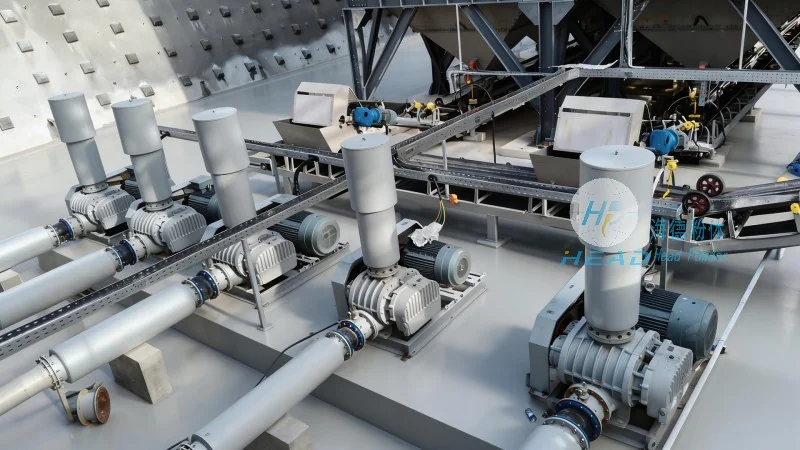
Screw conveyors, also known as auger conveyors, use a rotating helical screw to move materials along a tube or trough. This method is ideal for horizontal or slight incline transport and is commonly used for fine or granular materials. The primary advantage of screw conveyors is their compact design and ability to handle a wide range of materials, including powders and granules. They are also relatively simple in construction, making them easy to install and maintain. However, screw conveyors have limitations, such as lower capacity compared to pulley conveyors and potential for material bridging or clogging, especially with sticky or cohesive materials. Additionally, they may not be suitable for very long distances or high-temperature materials, as the screw and trough can experience wear and heat buildup.
Air-Supported Conveying (Pneumatic Conveying)
Air-supported conveying systems use compressed air to transport materials through a pipeline. This method is particularly effective for fine powders and granules, as it can handle materials that are difficult to move with mechanical systems. The main advantage of pneumatic conveying is its ability to transport materials in a closed system, reducing dust and environmental contamination. It also offers flexibility in routing, as the pipeline can be installed in various configurations. However, air-supported systems have higher energy consumption compared to mechanical conveyors and may not be suitable for large or heavy aggregates. Additionally, they require careful design to prevent material degradation or blockages, as the system relies on air pressure to move the material.
Conclusion and Company Overview
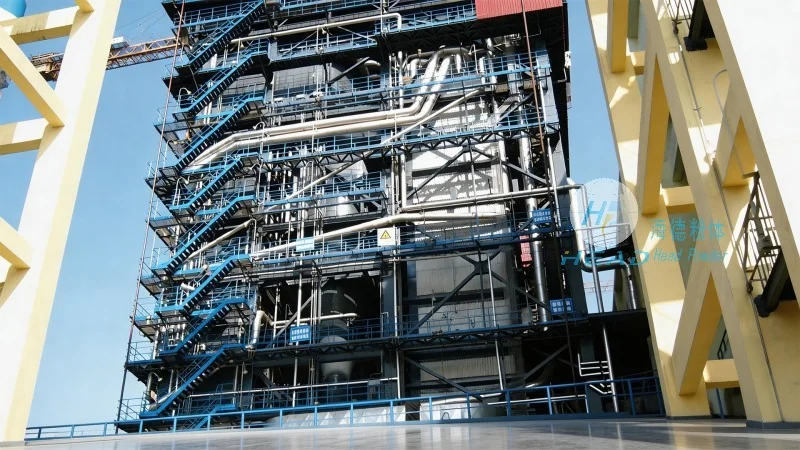
Choosing the right aggregate conveying method depends on several factors, including the type of material, distance to be transported, available space, and budget. Each method has its strengths and weaknesses, and the optimal choice is determined by the specific requirements of the application. HeadPowder Engineering Co., Ltd., based in Shandong, China, specializes in providing customized material handling solutions, including pulley conveyors, bucket elevators, screw conveyors, and pneumatic systems. Our team of experts works closely with clients to assess their needs and recommend the most suitable equipment, ensuring efficient and reliable aggregate transport. With a commitment to quality and customer satisfaction, HeadPowder is your trusted partner for all your material handling requirements.