

[CMPARISON OF COMMON SODIUM HYDROXIDE CONVEYING METHODS: ADVANTAGES AND DISADVANTAGES]
When it comes to transporting sodium hydroxide, commonly known as caustic soda, in industrial settings, selecting the right conveying method is crucial for efficiency, safety, and cost-effectiveness. This article provides a detailed comparison of common sodium hydroxide conveying methods, highlighting their advantages and disadvantages to help industrial operators make informed decisions.
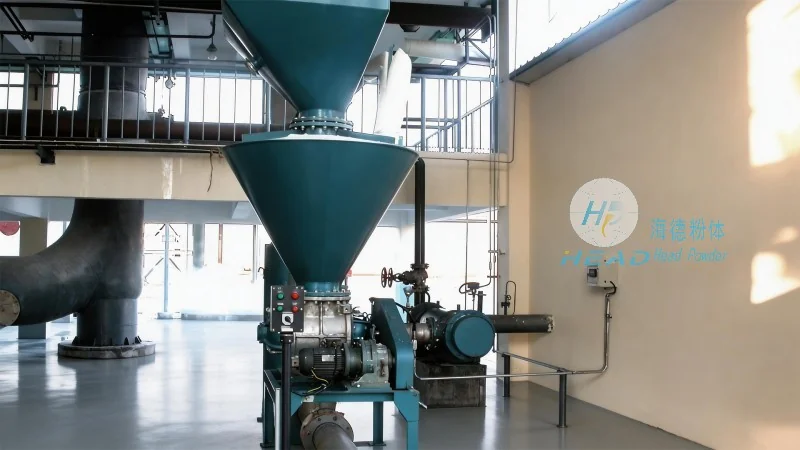
Overview of Sodium Hydroxide and Conveying Challenges
Sodium hydroxide is a highly caustic and corrosive chemical widely used in various industries, including chemical manufacturing, paper production, and water treatment. Its handling requires specialized equipment due to its reactivity with many materials and the potential for chemical burns or environmental hazards. Conveying this substance safely and efficiently is a critical aspect of industrial operations, as improper methods can lead to equipment damage, product contamination, or safety incidents.
Common Conveying Methods for Sodium Hydroxide
Several methods are commonly employed for transporting sodium hydroxide, each with distinct characteristics suited to different operational needs. The primary methods include pump systems, screw conveyors, and pneumatic conveying systems. Each method has its own set of advantages and disadvantages, which are discussed below.
Pump Systems: Advantages and Disadvantages
Pump systems are widely used for liquid sodium hydroxide transport, particularly in applications where the chemical is in a liquid state. These systems typically involve centrifugal or positive displacement pumps that can handle the corrosive nature of the substance. One of the key advantages of pump systems is their ability to maintain a consistent flow rate, ensuring steady supply to processing units. Additionally, pumps can handle high pressures and can be integrated with existing piping infrastructure, making them a cost-effective solution for many industrial setups.
However, pump systems also have notable disadvantages. The primary drawback is their limitation to liquid form, as they cannot effectively convey solid or semi-solid sodium hydroxide. This restricts their use to applications where the chemical is already in a liquid state, such as in solution or slurry form. Furthermore, pump systems require regular maintenance to prevent corrosion and ensure optimal performance, which can increase operational costs over time. Another concern is the risk of pump failure, which can lead to interruptions in supply and potential safety hazards due to the caustic nature of the material.
Screw Conveyors: Advantages and Disadvantages
Screw conveyors are a popular choice for transporting solid or semi-solid sodium hydroxide, such as flakes or pellets. These systems consist of a rotating screw (helix) inside a trough, which moves the material along the conveyor. Screw conveyors are known for their simplicity and reliability, making them an attractive option for many industrial applications.
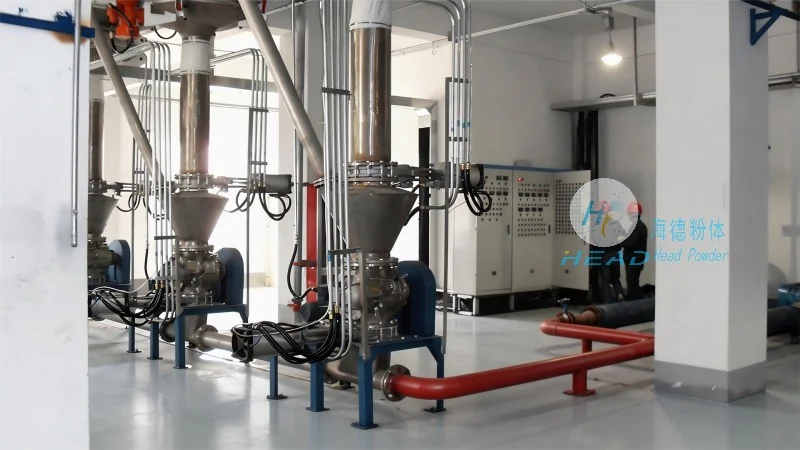
A major advantage of screw conveyors is their ability to handle both dry and wet materials, including sodium hydroxide in various forms. They can transport materials at a consistent rate, and their enclosed design helps minimize dust and environmental contamination. Additionally, screw conveyors are relatively low-cost to install and maintain compared to other systems, making them a cost-effective solution for many operations.
Despite these benefits, screw conveyors have several disadvantages. One significant drawback is their limited capacity for high-volume transport, as the screw speed and trough size restrict the amount of material that can be moved efficiently. This can be a challenge in large-scale industrial settings where high throughput is required. Another issue is the potential for material buildup or clogging, especially with sticky or highly abrasive sodium hydroxide. This can lead to reduced efficiency and increased maintenance needs. Furthermore, screw conveyors may not be suitable for transporting highly corrosive materials without proper material selection for the screw and trough components.
Pneumatic Conveying Systems: Advantages and Disadvantages
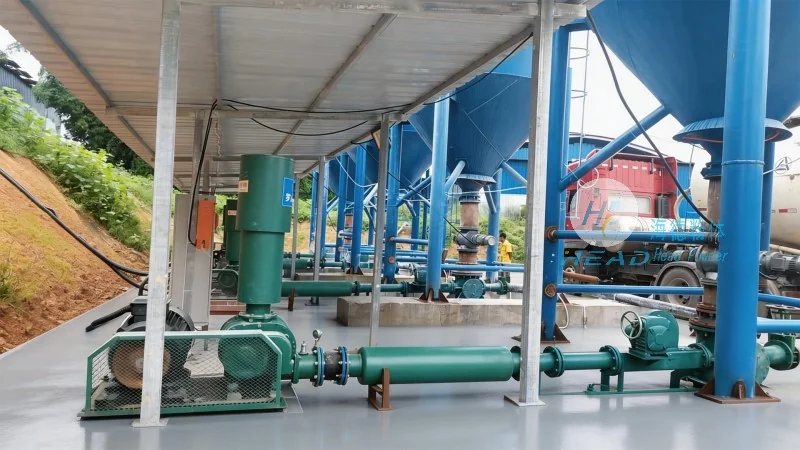
Pneumatic conveying systems use air or other gases to transport sodium hydroxide, either in a dilute phase (where particles are suspended in the air stream) or a dense phase (where particles are more closely packed). These systems are particularly useful for transporting dry or powdered sodium hydroxide, as well as for applications requiring a dust-free environment.
One of the key advantages of pneumatic conveying is its ability to handle both dry and wet materials, including solid, liquid, or slurry forms of sodium hydroxide. The system can transport materials over long distances without the need for multiple transfer points, making it ideal for large-scale industrial operations. Additionally, pneumatic conveying systems can be designed to minimize dust and environmental impact, which is crucial for compliance with environmental regulations. They also offer flexibility in terms of layout, as the system can be configured to follow existing plant structures without major modifications.
However, pneumatic conveying systems have notable disadvantages. The primary drawback is their higher initial cost compared to other methods, as they require specialized equipment such as blowers, filters, and control systems. This can increase the upfront investment for industrial operators. Another disadvantage is the potential for material degradation or loss due to the high velocity of the air stream, which can cause attrition or breakage of the sodium hydroxide particles. This can affect product quality and increase waste. Furthermore, pneumatic systems require careful maintenance to ensure proper air filtration and system performance, as any leaks or blockages can lead to reduced efficiency or safety issues.
Choosing the Right Conveying Method for Sodium Hydroxide
When selecting a conveying method for sodium hydroxide, industrial operators must consider several factors, including the form of the chemical (solid, liquid, or slurry), the required throughput, the distance to be transported, and the available budget. The choice of method should align with the specific operational needs and safety requirements of the plant.
For liquid sodium hydroxide, pump systems are often the most suitable option due to their ability to handle high pressures and maintain consistent flow rates. However, if the chemical is in a solid or semi-solid form, screw conveyors or pneumatic systems may be more appropriate. The decision should also take into account the potential for material corrosion or degradation, as well as the need for dust control and environmental compliance.
It is also important to consider the long-term maintenance and operational costs associated with each method. While pump systems may have lower initial costs, their maintenance requirements can increase over time. Screw conveyors offer simplicity but may have limitations in capacity and material handling. Pneumatic systems provide flexibility but require higher upfront investment and more complex maintenance.
Conclusion
In conclusion, the choice of sodium hydroxide conveying method depends on a variety of factors, including the form of the chemical, operational requirements, and budget constraints. Each method has its own set of advantages and disadvantages, and selecting the right system is critical for ensuring efficient, safe, and cost-effective transport of this essential industrial chemical.
Shandong HeadPowder Engineering Co., Ltd., a leading provider of chemical processing solutions, specializes in designing and implementing tailored conveying systems for sodium hydroxide and other caustic chemicals. With years of experience in the industry, the company offers expert consultation and customized solutions to meet the unique needs of its clients. Located in Shandong, China, HeadPowder Engineering Co., Ltd. is committed to providing high-quality, reliable equipment and services that enhance operational efficiency and safety in industrial chemical processing.