

Working Principle and Characteristics of Monosodium Glutamate Powder Conveying
Monosodium glutamate (MSG) powder conveying is a critical process in the food and chemical industries, particularly for the efficient handling and transportation of this widely used flavor enhancer. The technology employed by Shandong HeadPowder Engineering Co., Ltd. (referred to as HeadPowder) focuses on optimizing the movement of MSG powder from storage to processing units, ensuring minimal loss and maximum efficiency.
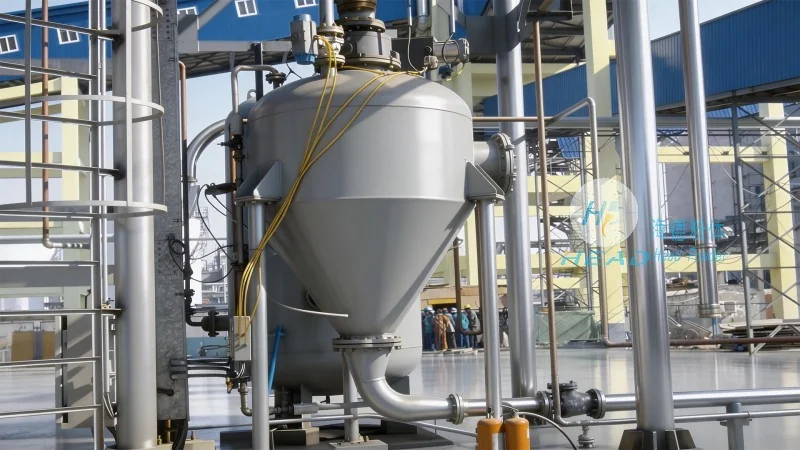
Working Principle of Monosodium Glutamate Powder Conveying
The core of the conveying system involves several key components and mechanisms designed to handle the unique properties of MSG powder. HeadPowder’s systems typically utilize a combination of pneumatic and mechanical methods to achieve reliable transport. Pneumatic conveying, for instance, employs air to create a flow of powder through pipes, while mechanical systems such as screw conveyors or bucket elevators use physical force to move the material. The choice of method depends on factors like the required distance, the volume of material, and the need for dust control. In pneumatic systems, the powder is suspended in a stream of air and transported through a network of pipes, often with pressure or vacuum assistance to maintain flow. Mechanical systems, on the other hand, rely on rotating parts to push the powder forward, which is effective for shorter distances and when the material is less prone to caking or bridging.
Key Characteristics of Monosodium Glutamate Powder Conveying Systems
HeadPowder’s conveying systems for MSG powder exhibit several distinct characteristics that enhance performance and safety. One notable feature is the emphasis on dust control, as MSG is a fine powder that can generate significant airborne particles during handling. Advanced filtration and sealing systems are integrated into the design to minimize dust emissions and comply with environmental regulations. Another key characteristic is the ability to handle varying moisture levels and particle sizes, which is crucial for maintaining the quality of the MSG product. The systems are engineered to prevent agglomeration or caking, which can occur if the powder is exposed to moisture or improper handling. Additionally, the design prioritizes energy efficiency, with optimized air flow and motor usage to reduce operational costs. The systems also feature easy maintenance and cleaning, with components that can be disassembled and sanitized to meet hygiene standards required in food processing environments.
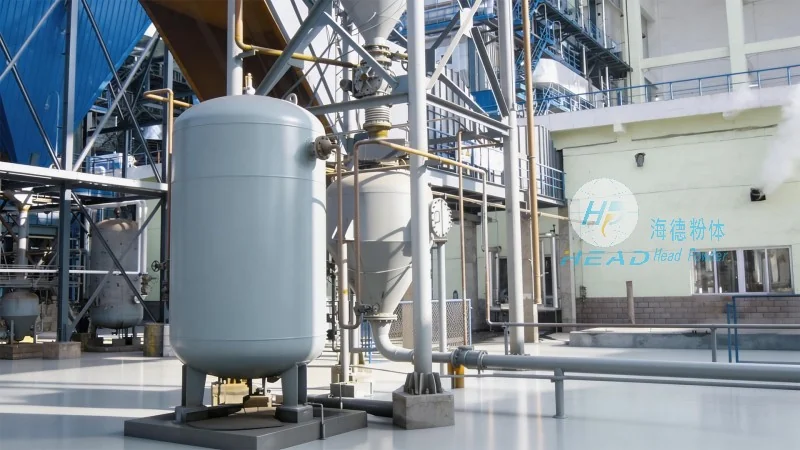
Application and Integration in Industrial Settings
In industrial applications, the conveying of MSG powder is often integrated into larger production lines, where it serves as an ingredient in various food products such as soups, sauces, and snacks. The efficiency of the conveying system directly impacts the overall production throughput, as delays or inefficiencies can lead to bottlenecks. HeadPowder’s solutions are tailored to meet the specific needs of different industries, whether it's a small-scale food processing plant or a large-scale chemical manufacturing facility. The systems are designed to be scalable, allowing for adjustments in capacity as production needs change. Furthermore, the company’s expertise in material handling ensures that the conveying process is compatible with existing equipment and infrastructure, minimizing the need for extensive modifications. This integration capability is a significant advantage for clients looking to upgrade or expand their operations without disrupting current production.
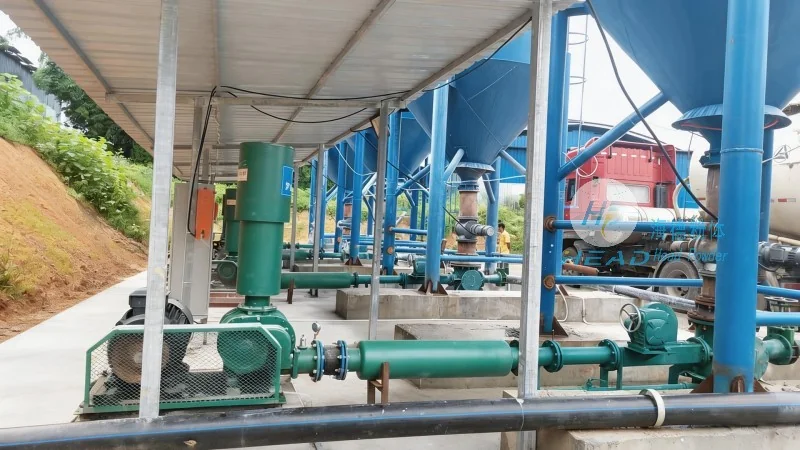
Quality Assurance and Safety Measures
HeadPowder places a strong emphasis on quality assurance and safety in all aspects of their conveying systems. The materials used in the construction of the equipment, such as stainless steel and food-grade components, are selected to prevent contamination and ensure the purity of the MSG powder. Regular maintenance schedules and inspections are implemented to identify and address potential issues before they affect performance. Safety features, including emergency shut-off valves and overpressure relief systems, are incorporated to protect operators and prevent accidents. The company also adheres to international standards and certifications, such as ISO 9001 for quality management, ensuring that their products meet global industry requirements. These measures contribute to the reliability and trustworthiness of HeadPowder’s conveying solutions in the market.
Conclusion
Monosodium glutamate powder conveying, as implemented by Shandong HeadPowder Engineering Co., Ltd., represents a sophisticated approach to material handling that balances efficiency, safety, and quality. The working principles and characteristics of these systems are tailored to the unique demands of the MSG industry, ensuring that the product is transported with minimal risk of degradation or contamination. By focusing on innovation and adherence to industry standards, HeadPowder continues to provide effective solutions for clients in the food and chemical sectors, supporting their operations with reliable and efficient conveying systems.