

Working Principle and Features of White Sugar Powder Conveying
White sugar powder conveying systems are critical in the food processing and bulk material handling industries, particularly for applications involving the efficient transport of granular or powdered substances like white sugar. Understanding the working principle and key characteristics of such systems is essential for optimizing operational efficiency and ensuring product integrity. This article explores the fundamental mechanisms behind white sugar powder conveying and highlights the distinctive features that make these systems effective for industrial use.
Working Principle of White Sugar Powder Conveying Systems
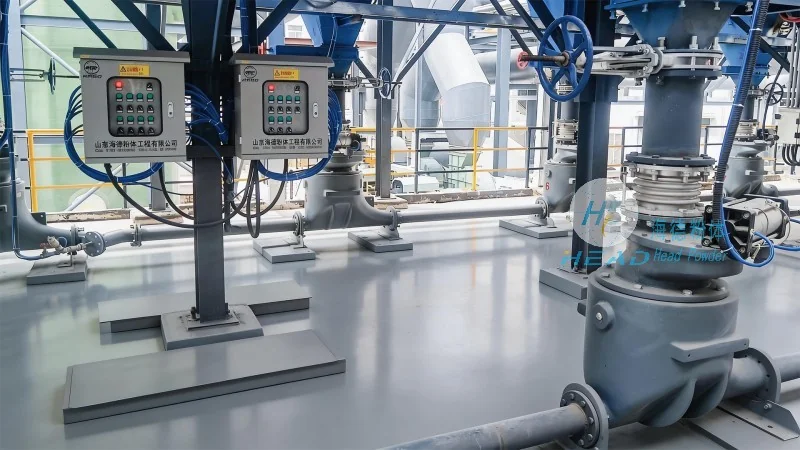
The working principle of white sugar powder conveying typically involves the use of pneumatic or mechanical systems designed to move bulk materials through a network of pipes or conveyors. In pneumatic conveying, air is used as the medium to transport the sugar powder, often employing positive or negative pressure systems. Positive pressure systems force air and the powder mixture through the pipeline, while negative pressure systems create a vacuum to draw the material into the system. Mechanical conveying methods, such as screw conveyors or belt conveyors, rely on mechanical components to physically move the sugar powder along a defined path. The choice between pneumatic and mechanical systems depends on factors like the material's properties, the required conveying distance, and the desired level of product containment.
Key Characteristics of White Sugar Powder Conveying Systems
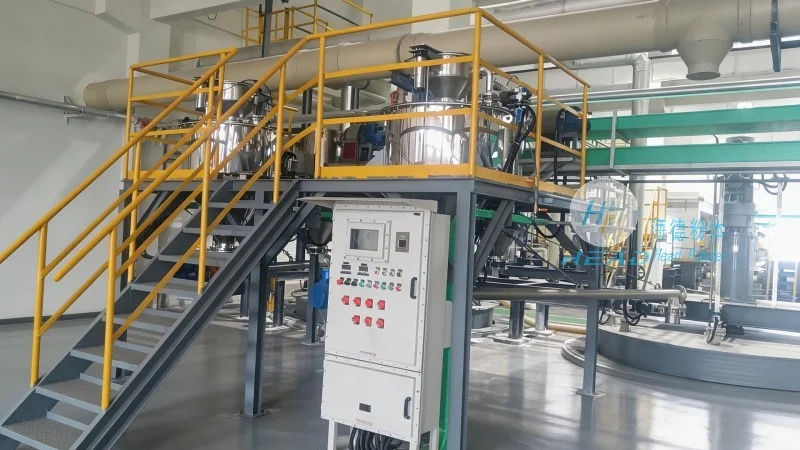
Several key characteristics define the performance and suitability of white sugar powder conveying systems. First, efficiency is a primary consideration, as the system must minimize energy consumption while maintaining high material throughput. This is achieved through optimized air flow rates, appropriate pipe diameters, and efficient component design. Second, product integrity is crucial, especially for sensitive materials like white sugar, which can be prone to degradation or contamination if not handled properly. Systems are designed to minimize particle breakage, prevent moisture absorption, and avoid cross-contamination with other materials. Third, flexibility is another important characteristic, as many industrial applications require the ability to convey materials to multiple destinations or adjust the flow rate based on production needs. This is often achieved through modular designs and adjustable control systems. Fourth, maintenance and reliability are critical factors for long-term operational success. Systems are constructed with durable materials and include features like easy access for cleaning and maintenance, reducing downtime and operational costs.
Company Overview: Shandong HeadPowder Engineering Co., Ltd.
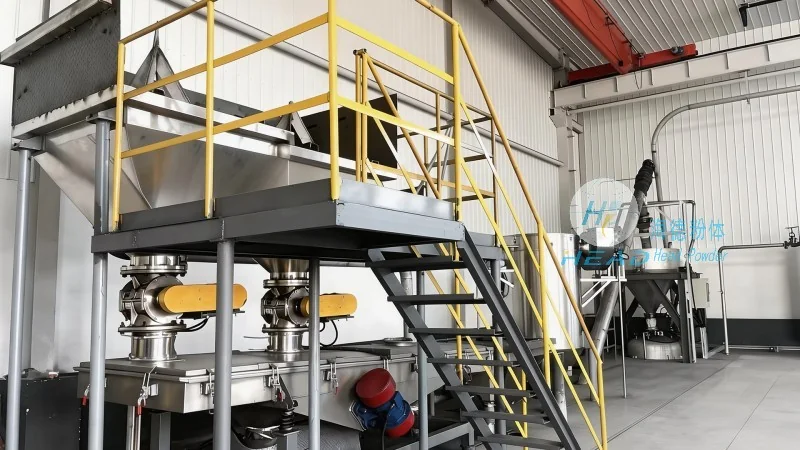
Shandong HeadPowder Engineering Co., Ltd., commonly known as HeadPowder, is a leading provider of specialized engineering solutions for bulk material handling, including white sugar powder conveying systems. HeadPowder is headquartered in Shandong, China, and has a strong focus on innovation and customer-centric design. The company has established itself as a trusted partner in the food processing and industrial sectors, with expertise in developing customized conveying solutions that meet the unique requirements of each client. HeadPowder's commitment to quality and technical excellence has earned it a reputation for delivering high-performance systems that enhance operational efficiency and product quality. The company's facilities in Shandong, China, support research, development, and manufacturing, ensuring that clients receive tailored solutions that are both effective and reliable.

Application Examples and Industry Impact
White sugar powder conveying systems are widely used in various industries, including food manufacturing, pharmaceuticals, and chemical processing. In the food industry, these systems are essential for transporting white sugar from storage silos to processing lines, ensuring a continuous and hygienic supply of raw material. The ability to handle large volumes of sugar powder efficiently reduces production bottlenecks and improves overall line throughput. In pharmaceutical applications, the systems are used to convey sugar powders for use in drug formulations, where precision and contamination control are paramount. The mechanical and pneumatic designs of these systems help maintain the purity and integrity of the material, meeting stringent regulatory standards. Overall, the adoption of advanced white sugar powder conveying systems has significantly improved operational efficiency and product quality across multiple industries, contributing to cost savings and enhanced competitiveness.