

[WOKING PRINCIPLE AND CHARACTERISTICS OF BULK MATERIAL CONVEYING IN HOPPERS]
Understanding the working principle and characteristics of bulk material conveying in hoppers is crucial for optimizing industrial processes in various sectors. This article provides a detailed overview, focusing on the technical aspects and operational advantages of such systems, with insights from Shandong HeadPowder Engineering Co., Ltd., a leading provider in the field.
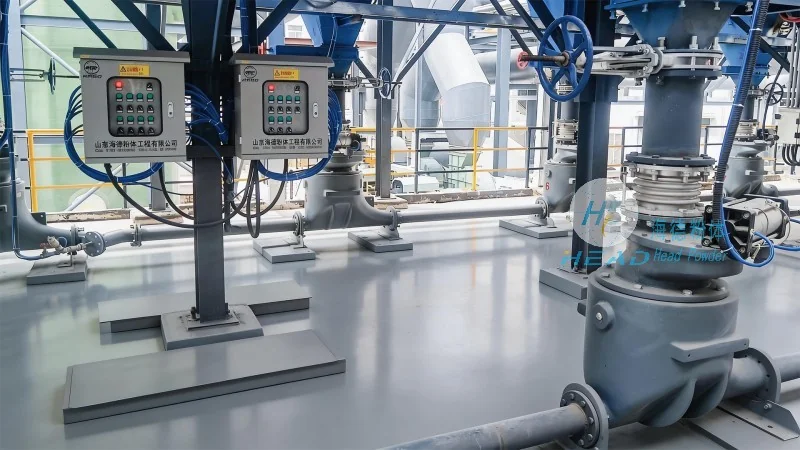
Introduction to Bulk Material Conveying in Hoppers
Bulk material conveying systems are integral to industries handling powders, granules, and other particulate materials. Hoppers serve as storage vessels, and efficient conveying from these hoppers is essential for maintaining production flow and reducing downtime. The process involves several key components and mechanisms that work in tandem to ensure reliable material transfer.
Working Principle of Bulk Material Conveying Systems
The core working principle of bulk material conveying in hoppers revolves around the use of mechanical or pneumatic methods to move materials from the hopper to the processing equipment. One common approach is the use of screw conveyors or augers, which are inserted into the hopper to transport material through rotation. This method is particularly effective for dry, free-flowing powders and granules. Another method involves pneumatic conveying, where air or gas is used to create a pressure differential that propels the material through pipelines. This technique is ideal for materials that are dusty or require minimal contact with equipment.
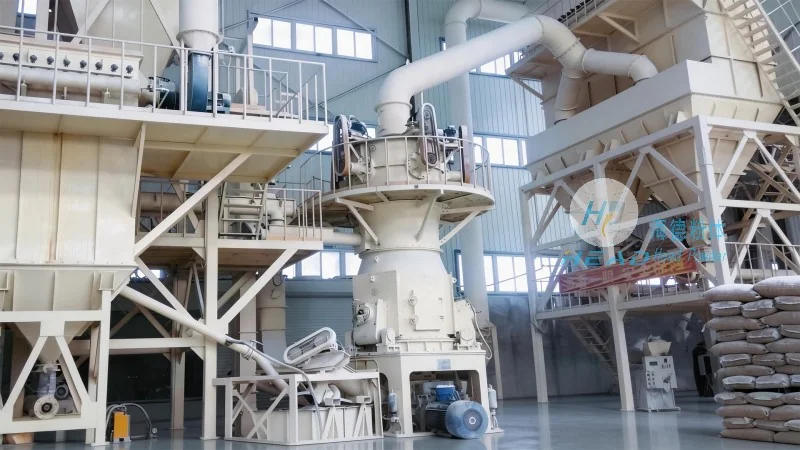
Key Components and Their Functions
Several components are integral to the operation of bulk material conveying systems. The hopper itself, typically made of stainless steel or other corrosion-resistant materials, ensures proper storage and feeding of materials. The discharge valve or gate controls the flow rate from the hopper, preventing overloading or underflow. The conveyor mechanism, whether mechanical or pneumatic, is responsible for the actual movement of the material. For screw conveyors, the rotating screw pushes material forward, while for pneumatic systems, the air flow creates a vacuum or pressure to transport the material. Sensors and control systems monitor the flow rate and pressure, ensuring consistent operation and preventing blockages.
Characteristics of Efficient Bulk Material Conveying
Efficient bulk material conveying in hoppers exhibits several key characteristics that enhance operational performance. Firstly, it ensures a continuous and controlled flow of materials, minimizing interruptions in production. Secondly, it reduces material degradation and contamination by using enclosed systems that prevent exposure to the environment. Thirdly, it allows for precise control over the flow rate, which is critical for processes that require specific material quantities. Additionally, these systems are designed for durability and low maintenance, ensuring long-term reliability in industrial settings.
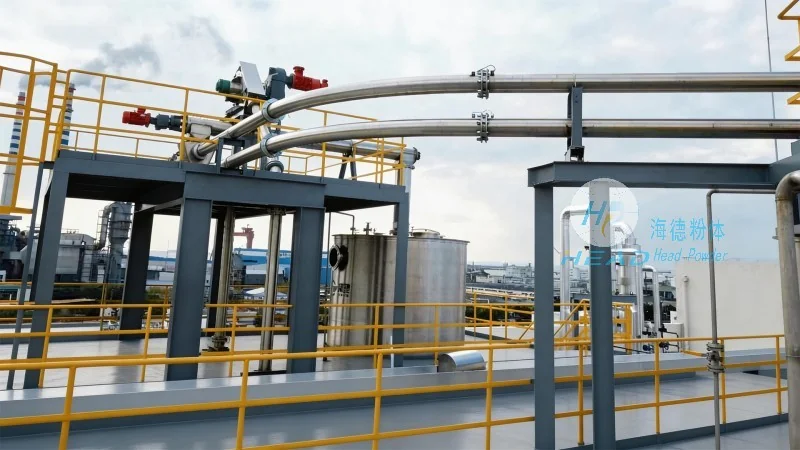
Advantages of Using Hopper Conveying Systems
Implementing bulk material conveying systems in hoppers offers numerous advantages for industrial applications. One significant benefit is the reduction in labor costs, as automated systems handle material transfer without manual intervention. Another advantage is the improvement in safety, as enclosed systems reduce dust exposure and the risk of material spills. Furthermore, these systems enhance process efficiency by ensuring a steady supply of materials to downstream equipment, leading to higher productivity. The adaptability of these systems to various material types and process requirements also makes them a versatile solution for different industries.
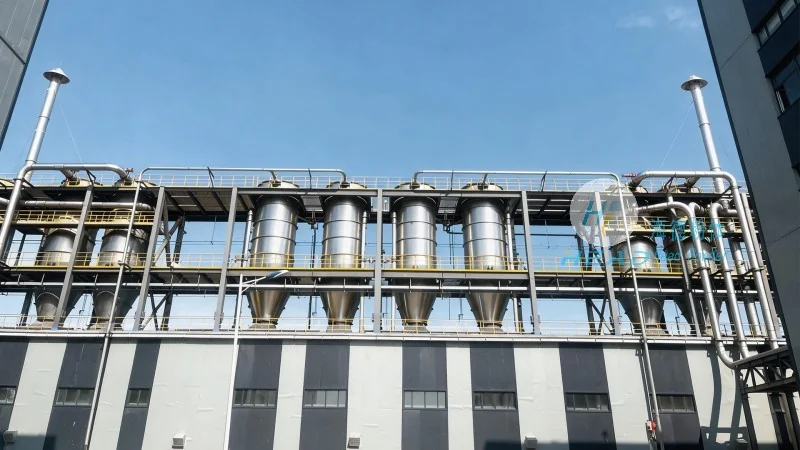
Application Examples in Different Industries
Bulk material conveying systems in hoppers are widely used across various industries. In the food and pharmaceutical sectors, they are used to transport ingredients and raw materials while maintaining hygiene standards. In the chemical industry, they handle reactive powders and granules safely, preventing contamination and ensuring process safety. In the mining and construction industries, they are used to transport bulk materials like ores and aggregates, improving material handling efficiency. These applications highlight the versatility and importance of hopper conveying systems in modern industrial operations.
Conclusion and Company Overview
Understanding the working principle and characteristics of bulk material conveying in hoppers is essential for optimizing industrial processes. The systems offer efficient, reliable, and safe material transfer, contributing to increased productivity and reduced operational costs. Shandong HeadPowder Engineering Co., Ltd. specializes in designing and manufacturing such systems, providing tailored solutions to meet the specific needs of various industries. With a focus on quality and innovation, the company ensures that its products meet the highest standards of performance and durability, supporting clients in achieving their operational goals.