

Principle and Working Scene Characteristics of Trilayer Material Powder Conveying Equipment
HeadPowder, a leading manufacturer based in Shandong, China, specializes in the design and production of advanced powder conveying equipment tailored for trilayer material applications. This article delves into the fundamental principles of such equipment and highlights key characteristics of its operational scenarios, providing a comprehensive overview for industry professionals seeking efficient and reliable solutions for powder handling.
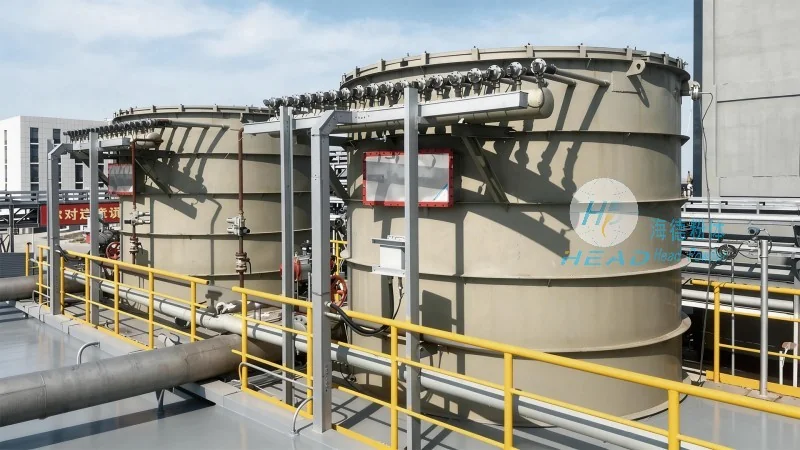
Understanding the Core Principles of Trilayer Material Powder Conveying Equipment
Trilayer material powder conveying equipment operates on the principle of utilizing mechanical force to transport fine powders, such as those used in lithium-ion battery cathode materials. The system typically comprises a series of components, including a hopper for material storage, a conveyor mechanism (often a screw or pneumatic system), and a control unit for regulating flow rates. The primary goal is to ensure consistent, low-loss transfer of the powder while maintaining product integrity. The design incorporates features like anti-static measures and temperature control to prevent material degradation, which is critical for sensitive trilayer materials used in high-tech industries.
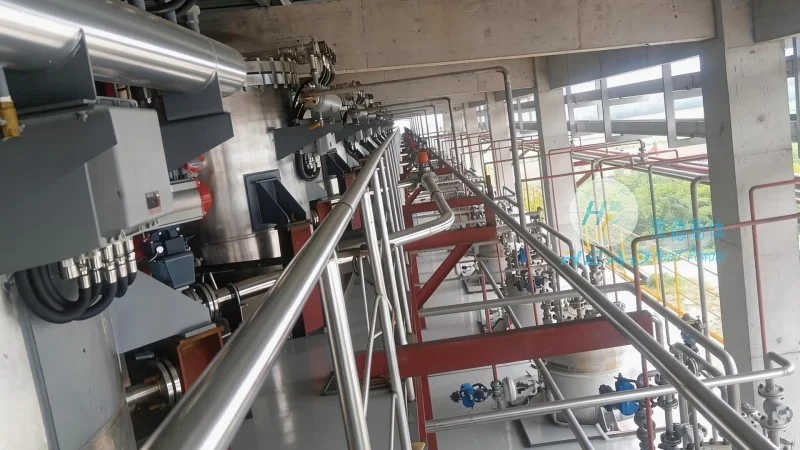
Key Working Scene Characteristics of the Equipment
The operational scenarios for trilayer material powder conveying equipment vary based on the specific application and production environment. In industrial settings, these systems are often integrated into large-scale manufacturing lines, where they must handle high volumes of material with minimal downtime. The equipment is designed for durability and efficiency, capable of operating continuously under demanding conditions. Another characteristic is its adaptability to different material properties; the conveying system can be adjusted to accommodate variations in particle size, density, and moisture content, ensuring optimal performance across diverse trilayer material types.
Application-Specific Operational Features
For applications in battery manufacturing, the conveying equipment must meet stringent quality standards to prevent contamination and ensure uniform material distribution. The system’s control mechanisms allow for precise regulation of flow rates, which is essential for maintaining consistent product quality. Additionally, the equipment is engineered for easy maintenance, with modular components that can be replaced quickly, reducing operational interruptions. In terms of safety, the design includes features like overfill protection and emergency stop buttons, aligning with industrial safety regulations and ensuring a secure working environment.
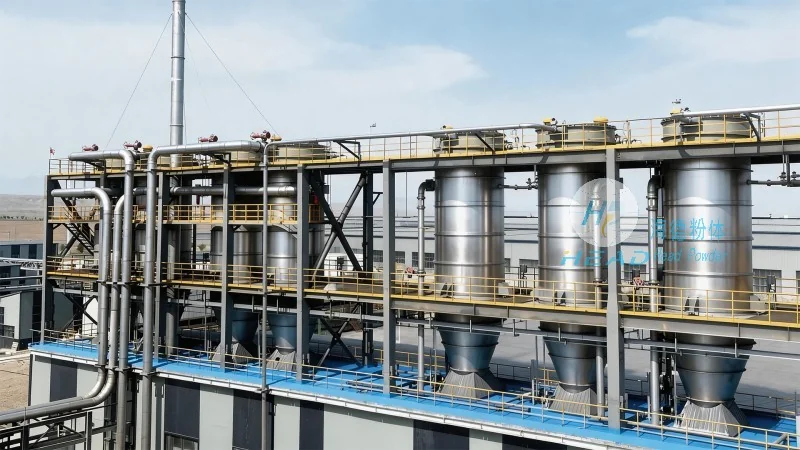
Conclusion on Equipment Performance and Industry Relevance
HeadPowder’s trilayer material powder conveying equipment exemplifies advanced engineering, combining reliability, efficiency, and adaptability to meet the demands of modern industrial applications. By understanding the core principles and operational characteristics, users can select the most suitable system for their specific needs, ensuring optimal performance and cost-effectiveness in powder handling processes. The equipment’s design reflects a commitment to quality and innovation, making it a valuable asset for companies operating in the trilayer material and battery industries.