

Common Copper Powder Conveying Methods: A Comparison of Advantages and Disadvantages
When it comes to handling copper powder in industrial settings, selecting the right conveying method is crucial for efficiency, cost-effectiveness, and product integrity. Shandong HeadPowder Engineering Co., Ltd., a leading manufacturer based in Shandong, China, specializes in providing solutions tailored to various material handling needs. This article provides a detailed comparison of common copper powder conveying methods, highlighting their advantages and disadvantages to help industrial operators make informed decisions.
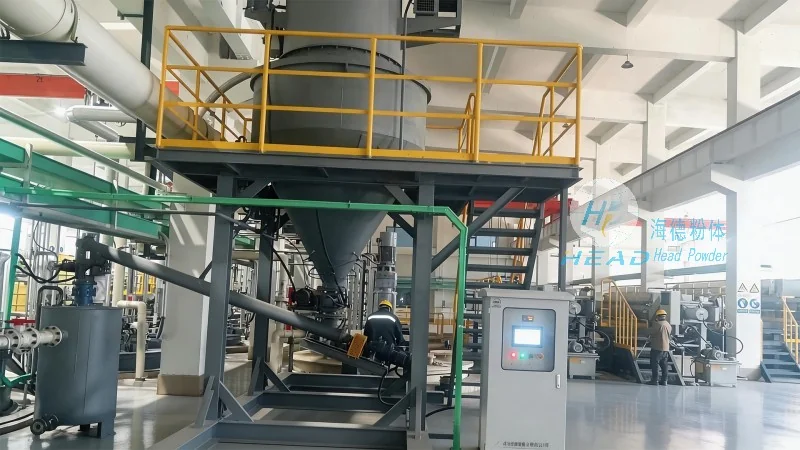
Understanding Copper Powder Conveying: The Foundation of Material Handling
Copper powder is widely used in industries such as electronics, aerospace, and manufacturing due to its excellent conductivity and malleability. However, its fine particle size and potential for static charge make it challenging to transport. Effective conveying methods not only ensure smooth material flow but also prevent product degradation, contamination, and safety hazards. Shandong HeadPowder Engineering Co., Ltd. recognizes these challenges and offers a range of conveying solutions designed to meet the specific requirements of copper powder handling.
Method 1: Screw Conveyors (Auger Conveyors)
Screw conveyors are one of the most common and versatile methods for transporting copper powder. These systems consist of a rotating helical screw inside a tube or trough, which moves material forward through the mechanism. The primary advantages of screw conveyors include their simplicity, low maintenance, and ability to handle a wide range of particle sizes. They are particularly effective for horizontal or slightly inclined applications, making them suitable for transporting copper powder from storage bins to processing equipment. However, screw conveyors have limitations when dealing with highly abrasive or sticky copper powders, as the screw and trough can experience wear and clogging. Additionally, they may not be ideal for long-distance or vertical transport due to the need for consistent power and potential for material degradation.
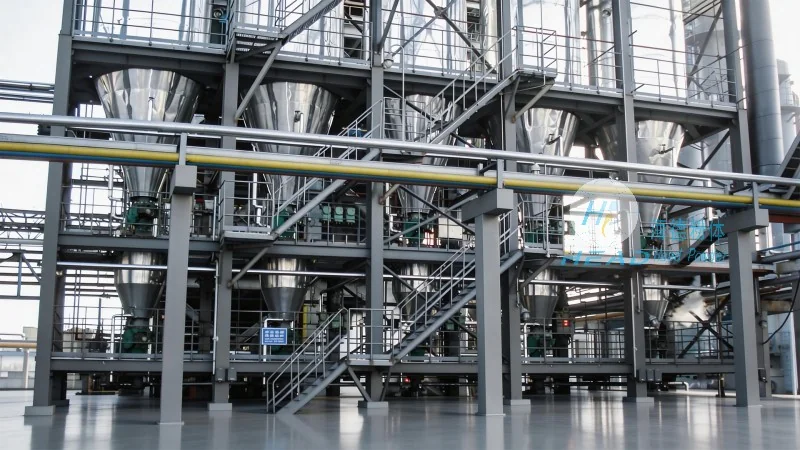
Method 2: Pneumatic Conveying Systems
Pneumatic conveying systems use air or other gases to transport copper powder through a pipeline. These systems can be categorized into pressure and vacuum types, each offering different advantages. Pressure systems are ideal for short to medium distances and can handle larger quantities of material, while vacuum systems are better suited for long-distance or difficult-to-access locations. The main advantage of pneumatic conveying is its ability to transport copper powder in a closed system, minimizing dust exposure and contamination. This is particularly important for copper powder, which can be hazardous if inhaled or cause static discharge issues. Pneumatic systems also allow for easy integration with other processing equipment, such as mixers or furnaces. However, they require significant energy input and may be less efficient for very fine or cohesive copper powders. Additionally, the cost of installation and maintenance can be higher compared to other methods, and the risk of system blockages or air leaks must be managed carefully.
Method 3: Vibratory Conveyors
Vibratory conveyors use vibrations to move copper powder along a trough or conveyor belt. These systems are particularly effective for handling bulk materials with varying particle sizes and moisture content. The vibrations help to break up agglomerates and ensure consistent material flow. The primary advantage of vibratory conveyors is their ability to handle sticky or abrasive copper powders without excessive wear. They are also relatively low maintenance and can operate continuously without the need for significant power input. However, vibratory conveyors may not be suitable for very fine copper powders, as the vibrations can cause particle segregation or degradation. Additionally, they require proper alignment and foundation to prevent excessive vibration and noise, which can affect equipment longevity and workplace safety.
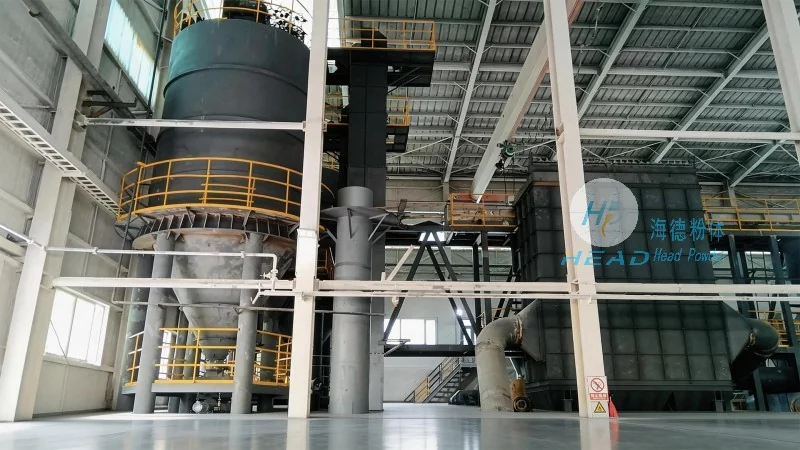
Method 4: Bucket Elevators
Bucket elevators are vertical conveying systems that use buckets attached to a chain or belt to transport copper powder from lower to higher levels. These systems are ideal for vertical transport and can handle large quantities of material over significant heights. The main advantage of bucket elevators is their high capacity and ability to transport copper powder in a closed system, preventing dust and contamination. They are particularly effective for applications requiring vertical movement, such as moving copper powder from a storage silo to a processing line. However, bucket elevators have higher initial costs and require more maintenance compared to other methods. The buckets and chains can experience wear and tear, especially when handling abrasive copper powders. Additionally, they may not be suitable for very fine or lightweight copper powders, as the buckets may not effectively lift the material.
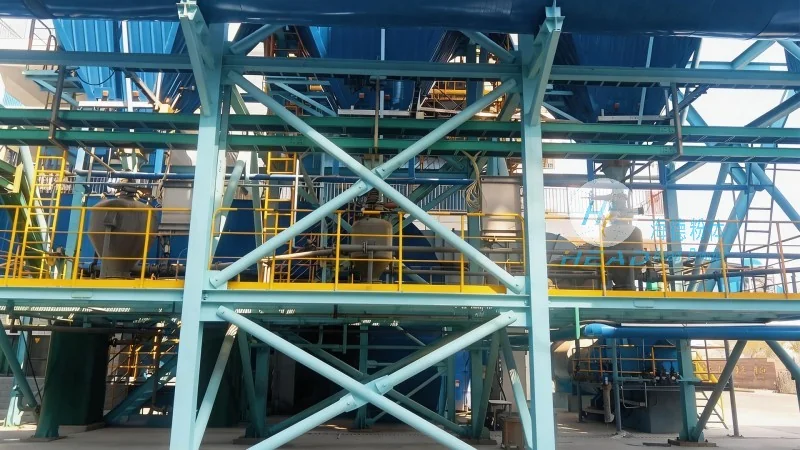
Choosing the Right Conveying Method for Copper Powder
When selecting a copper powder conveying method, industrial operators must consider several factors, including the material's properties, application requirements, and operational constraints. Shandong HeadPowder Engineering Co., Ltd. recommends evaluating the following aspects:
- Particle Size and Consistency: Fine or cohesive copper powders may require specialized systems like pneumatic or vibratory conveyors to prevent clogging and ensure smooth flow.
- Application Distance and Height: Horizontal or short-distance transport may be suitable for screw or vibratory conveyors, while vertical or long-distance transport may require bucket elevators or pneumatic systems.
- Material Abrasiveness and Stickiness: Abrasive copper powders may benefit from systems with wear-resistant components, such as screw conveyors with stainless steel liners or vibratory conveyors with durable troughs.
- Environmental and Safety Considerations: Closed systems like pneumatic or bucket elevators are essential for minimizing dust exposure and preventing static discharge, which is critical for copper powder handling.
By carefully assessing these factors, industrial operators can choose the most appropriate copper powder conveying method that balances efficiency, cost, and safety. Shandong HeadPowder Engineering Co., Ltd. provides customized solutions tailored to these needs, ensuring optimal performance and reliability in copper powder handling operations.