

Comparison of Common Methylcellulose Delivery Methods
When it comes to handling methylcellulose, a versatile thickening and stabilizing agent widely used in industries such as pharmaceuticals, food processing, and cosmetics, selecting the right delivery method is crucial for maintaining product quality and operational efficiency. Methylcellulose, often abbreviated as MC, is a non-ionic polymer that dissolves in water to form a viscous solution, making it essential for applications ranging from drug formulations to food emulsions. However, the way methylcellulose is delivered to the processing line can significantly impact its performance and the overall production process. This article will explore the common delivery methods for methylcellulose, comparing their advantages, disadvantages, and suitability for different industrial applications.
1. Bulk Bag (Super Sack) Delivery
Bulk bag delivery is a popular method for transporting methylcellulose, especially in large-scale industrial settings. These large, flexible containers, often made of woven polypropylene, are designed to hold substantial quantities of the material, typically ranging from 500 kg to 1,000 kg per bag. The process begins with the bulk bag being unloaded from a truck or railcar using a forklift or a specialized bulk bag unloader. The unloader facilitates the controlled release of the methylcellulose into a hopper or a silo, ensuring minimal dust and spillage. This method is favored by companies like Shandong HeadPowder Engineering Co., Ltd., based in China, as it offers cost-effective bulk transportation and reduces the need for frequent deliveries. However, bulk bag handling requires proper equipment and trained personnel to ensure safety and prevent material loss. The unloading process must be carefully managed to avoid clogging or uneven flow, which could affect the consistency of the methylcellulose solution in subsequent processing steps.
2. Tank Truck Delivery
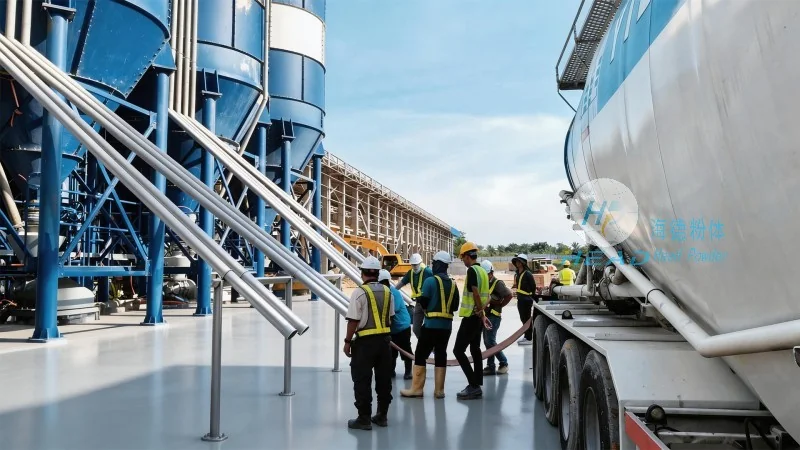
Tank truck delivery is another common approach, particularly for liquid or slurry forms of methylcellulose. Tank trucks are specialized vehicles equipped with insulated tanks that maintain the material's temperature and prevent degradation. The truck arrives at the facility, and the contents are transferred to a storage tank or a mixing system via a pump. This method is ideal for transporting methylcellulose in its aqueous solution form, as it allows for continuous processing without the need for intermediate storage. Companies like Shandong HeadPowder Engineering Co., Ltd. utilize tank trucks to supply their clients with ready-to-use methylcellulose solutions, ensuring that the product remains stable and consistent throughout the delivery process. The primary advantage of tank truck delivery is the ability to deliver large volumes quickly and efficiently, reducing downtime in production lines. However, it requires proper storage infrastructure and regular maintenance of the tank and pumping system to prevent contamination or equipment failure.
3. Pneumatic Conveying Systems
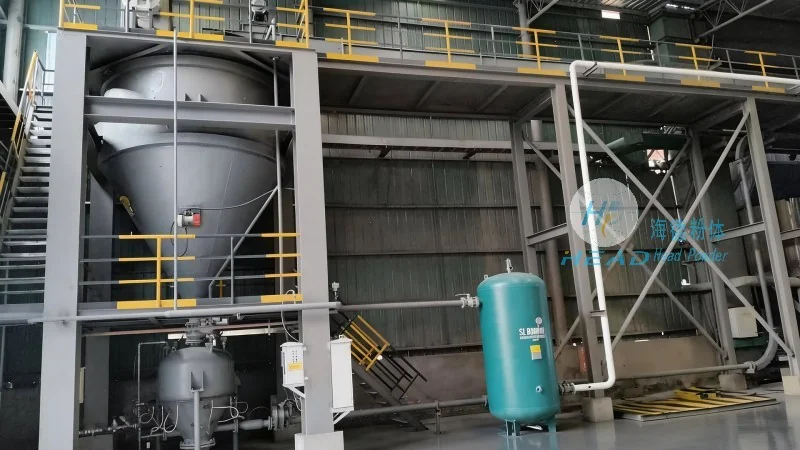
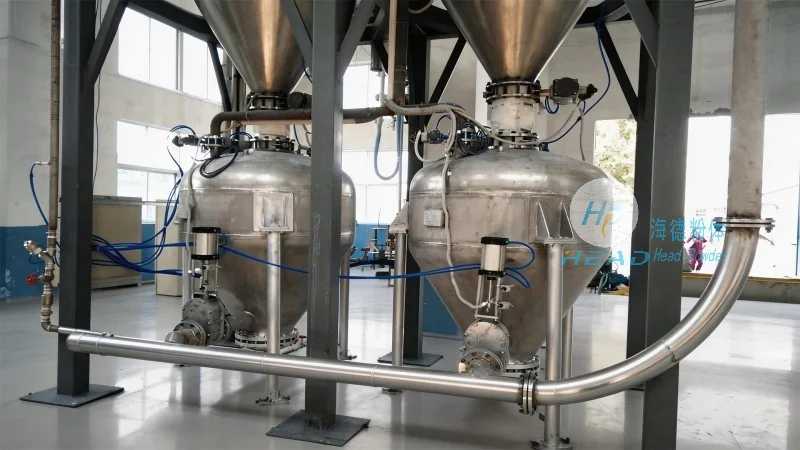
Pneumatic conveying systems use air or other gases to transport dry methylcellulose powder or granules from a storage silo to a processing unit. This method is particularly useful for handling fine powders that are difficult to move with traditional mechanical conveyors. The system typically consists of a hopper, a rotary airlock, and a pipeline that carries the material through the air stream. The air pressure is carefully controlled to ensure the material moves smoothly without causing blockages or excessive pressure buildup. Pneumatic conveying is a preferred method for companies like Shandong HeadPowder Engineering Co., Ltd., as it allows for clean and dust-free transfer of methylcellulose, minimizing the risk of contamination in sensitive applications such as pharmaceutical manufacturing. However, the system requires significant energy input and may not be suitable for very fine or hygroscopic powders, as moisture can affect the conveying efficiency. Proper maintenance of the air filtration and compression system is essential to maintain the quality of the methylcellulose and prevent system downtime.
4. Screw Conveyors
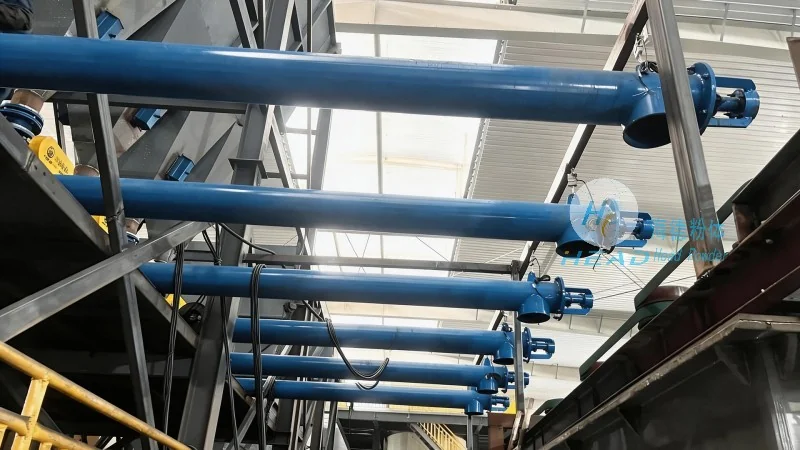
Screw conveyors are a traditional and reliable method for transporting dry methylcellulose powder or granules. These systems consist of a rotating screw (auger) inside a trough, which moves the material from one point to another. Screw conveyors are widely used in various industries due to their simplicity, low maintenance, and ability to handle a wide range of materials, including powders and granules. Companies like Shandong HeadPowder Engineering Co., Ltd. employ screw conveyors to transfer methylcellulose from storage bins to processing equipment, ensuring a steady and controlled flow. The primary advantage of screw conveyors is their ability to handle dry materials without the need for additional equipment, making them suitable for small to medium-scale operations. However, they may not be effective for very fine powders, as the screw can cause clogging or uneven flow. Additionally, the system requires regular cleaning to prevent material buildup and maintain hygiene, which is critical in industries such as food and pharmaceuticals.
5. Vacuum Loading Systems
Vacuum loading systems use negative pressure to draw methylcellulose from a storage container into a processing line. This method is particularly useful for handling powders that are prone to dust and require a clean transfer process. The system typically includes a vacuum pump, a hopper, and a pipeline that connects the storage area to the processing equipment. The vacuum creates a pressure differential that pulls the material into the system, ensuring a smooth and controlled flow. Vacuum loading is a preferred method for companies like Shandong HeadPowder Engineering Co., Ltd., as it minimizes dust generation and prevents contamination in sensitive applications. The primary advantage of this system is its ability to handle fine powders and maintain a clean environment, which is essential for pharmaceutical and food industries. However, the system requires proper sealing and maintenance to prevent air leaks and ensure efficient operation. Additionally, the vacuum pump must be powerful enough to handle the material's specific properties, such as moisture content and particle size.
6. Comparison of Delivery Methods
When selecting a methylcellulose delivery method, several factors must be considered, including the material's form (powder, liquid, or slurry), the required volume, the processing environment, and the cost of equipment and maintenance. Bulk bag delivery is ideal for large-scale dry powder applications, offering cost-effective bulk transportation. Tank truck delivery is suitable for liquid or slurry forms, providing quick and efficient delivery of ready-to-use solutions. Pneumatic conveying systems are preferred for fine powders and require clean, dust-free transfer. Screw conveyors are a reliable and simple option for dry materials but may not handle very fine powders well. Vacuum loading systems are best for fine powders and sensitive applications, minimizing dust and contamination. Companies like Shandong HeadPowder Engineering Co., Ltd., based in China, often recommend a combination of these methods based on the specific needs of their clients. For example, a pharmaceutical manufacturer might use bulk bag delivery for dry methylcellulose and tank truck delivery for its aqueous solution, while a food processing plant might rely on pneumatic conveying and screw conveyors for their powder and granule needs. The choice of delivery method ultimately depends on the balance between cost, efficiency, and product quality, ensuring that the methylcellulose is delivered in a form that maintains its performance and meets the requirements of the end application.