

Comparison of Common PTFE (Polytrifluorochloroethylene) Conveying Methods
When handling PTFE (Polytrifluorochloroethylene), selecting the appropriate conveying method is crucial for ensuring efficient and safe material transport. Shandong HeadPowder Engineering Co., Ltd., a leading manufacturer based in Shandong, China, specializes in providing high-quality PTFE products and solutions, including various conveying systems tailored to meet industrial demands. This article provides a detailed comparison of common PTFE conveying methods, helping users make informed decisions based on their specific application requirements.
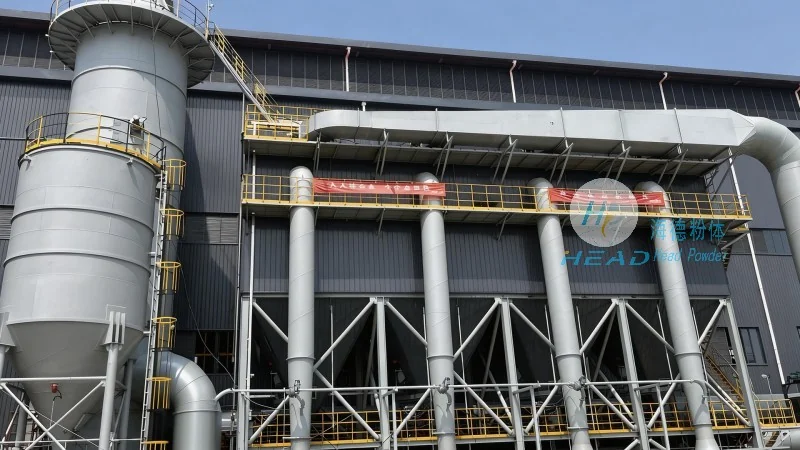
Overview of PTFE and Conveying Challenges
PTFE is renowned for its exceptional chemical resistance, low friction, and thermal stability, making it widely used in industries such as chemical processing, pharmaceuticals, and semiconductor manufacturing. However, its non-porous and slippery surface can pose challenges during material handling, particularly when it comes to conveying. Traditional methods may struggle with PTFE's tendency to stick to surfaces or clog equipment. Therefore, understanding the different conveying techniques and their suitability for PTFE is essential for optimizing production processes.
Method 1: Positive Displacement Pumps
Positive displacement pumps are widely used for PTFE conveying due to their ability to handle high-viscosity or abrasive materials. These pumps, including gear pumps and piston pumps, operate by trapping a fixed volume of fluid and forcing it through the discharge port. For PTFE, positive displacement pumps are effective in maintaining consistent flow rates and pressure, even when dealing with fine powders or granules. Shandong HeadPowder Engineering Co., Ltd. offers specialized PTFE pumps designed with materials like stainless steel or PTFE-coated components to minimize wear and ensure long service life. The key advantages of this method include precise control over flow, minimal pressure drop, and compatibility with a wide range of PTFE grades. However, it is important to note that these pumps may require regular maintenance to prevent clogging and ensure optimal performance.
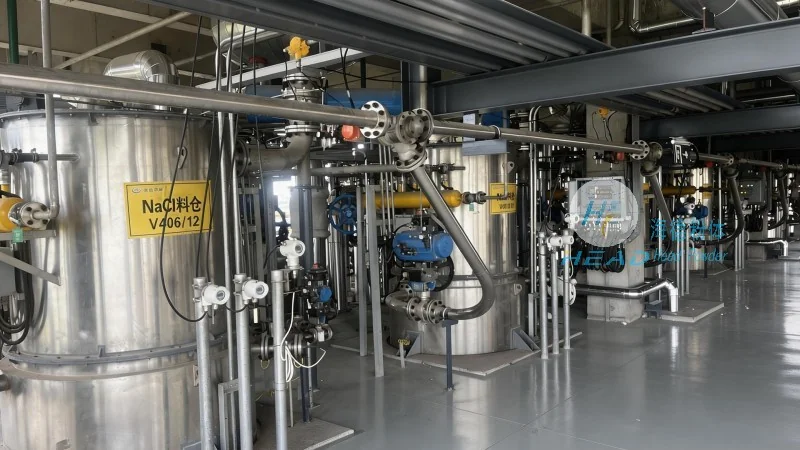
Method 2: Air-Operated Double Diaphragm Pumps
Air-operated double diaphragm (AODD) pumps are another popular choice for PTFE conveying, especially in applications where chemical compatibility and ease of maintenance are critical. These pumps use compressed air to drive the diaphragms, creating a pumping action that moves the material through the system. AODD pumps are self-priming and can handle both liquids and solids, making them suitable for PTFE powders or suspensions. Shandong HeadPowder Engineering Co., Ltd. manufactures AODD pumps with PTFE-lined components to prevent material degradation and ensure safe operation. The benefits of this method include low maintenance requirements, the ability to handle abrasive or corrosive materials, and the flexibility to operate in various environments. However, users should consider the potential for air leaks and the need for proper air filtration to maintain pump efficiency.
Method 3: Vacuum Conveying Systems
Vacuum conveying systems are commonly employed for PTFE materials that are light and dusty, such as fine powders or fibers. These systems use a vacuum to draw the material from a hopper or container into a receiver, eliminating the need for mechanical agitation or high-pressure pumps. Vacuum conveyors are particularly effective for handling PTFE in pharmaceutical or food processing applications, where contamination control is paramount. Shandong HeadPowder Engineering Co., Ltd. provides vacuum conveying solutions with HEPA filters and stainless steel construction to ensure clean and safe material transport. The advantages of vacuum conveying include gentle material handling, reduced dust generation, and the ability to transport materials over longer distances without excessive pressure loss. However, it is important to consider the system's power consumption and the need for proper filtration to prevent air contamination.
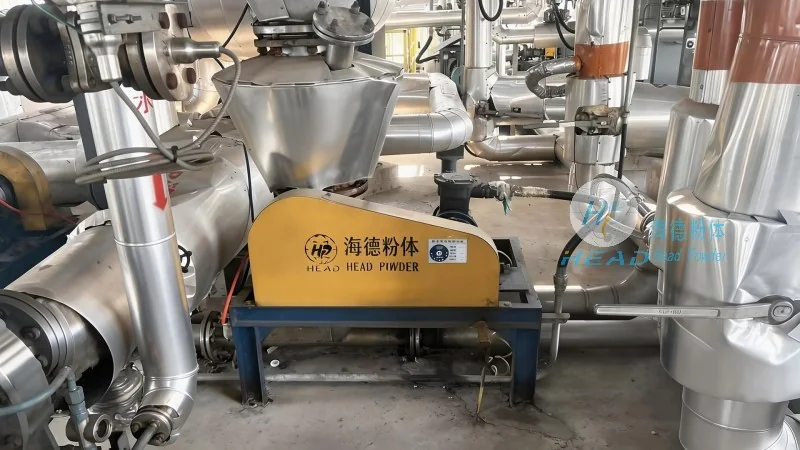
Method 4: Screw Conveyors
Screw conveyors are a traditional and cost-effective method for conveying PTFE materials, especially in bulk handling applications. These systems consist of a rotating screw inside a trough, which moves the material forward through the conveyor. Screw conveyors are suitable for both dry and wet PTFE applications and can be customized to handle different particle sizes and flow rates. Shandong HeadPowder Engineering Co., Ltd. manufactures screw conveyors with PTFE-coated or stainless steel components to prevent material adhesion and ensure smooth operation. The benefits of this method include low maintenance, high capacity, and the ability to handle a wide range of PTFE grades. However, users should be aware of the potential for material buildup on the screw and trough walls, which may require regular cleaning or the use of special materials to mitigate.
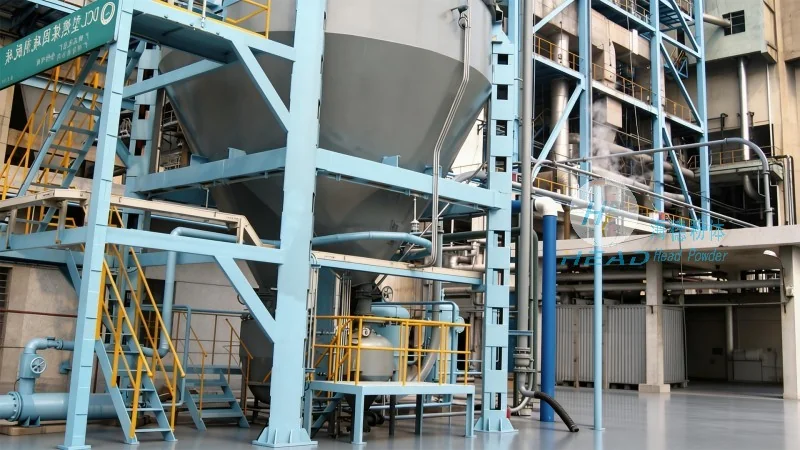
Method 5: Pneumatic Conveying
Pneumatic conveying uses compressed air to transport PTFE materials through a pipeline system. This method is ideal for applications requiring high-speed or long-distance transport, such as in chemical plants or manufacturing facilities. Pneumatic conveyors can be either pressure or vacuum-based, depending on the material and system design. Shandong HeadPowder Engineering Co., Ltd. offers pneumatic conveying solutions with PTFE-lined pipes and specialized nozzles to ensure efficient material transfer. The advantages of pneumatic conveying include high throughput, minimal equipment wear, and the ability to handle both powders and granules. However, it is important to consider the energy consumption and the need for proper air filtration to prevent dust accumulation in the system.
Choosing the Right Conveying Method for PTFE
When selecting a PTFE conveying method, several factors must be considered, including the material's properties, the required flow rate, the system's operating environment, and the overall cost. Shandong HeadPowder Engineering Co., Ltd. recommends evaluating each method based on its specific advantages and limitations. For example, positive displacement pumps are ideal for high-viscosity PTFE slurries, while vacuum conveying is better suited for fine powders. Air-operated pumps offer a balance between performance and maintenance, making them a popular choice for many applications. Ultimately, the goal is to choose a conveying system that maximizes efficiency, minimizes downtime, and ensures the safe and reliable transport of PTFE materials.