

Principle and Working Scenario Characteristics of Stone and Coal Pneumatic Conveying
HeadPowder, a leading provider in the field of material handling solutions, specializes in advanced pneumatic conveying systems designed for the efficient transport of bulk materials such as stone and coal. This article delves into the fundamental principles of stone and coal pneumatic conveying, alongside an exploration of its key working scenario characteristics that make it a preferred choice in various industrial applications.
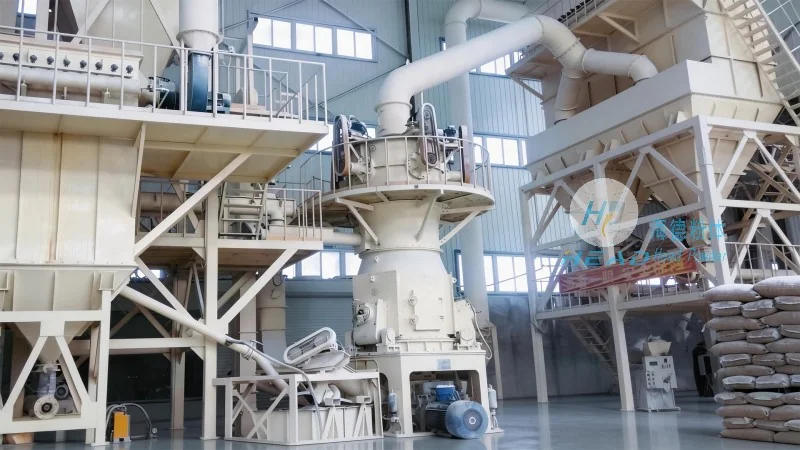
Company Profile: Shandong HeadPowder Engineering Co., Ltd.
HeadPowder, operating from Shandong, China, is dedicated to delivering high-performance engineering solutions tailored to the demands of modern material handling. With a strong focus on innovation and reliability, the company has established itself as a trusted partner for businesses seeking efficient and cost-effective pneumatic conveying systems. The company’s expertise lies in designing and manufacturing systems that optimize material transport while ensuring operational safety and durability.
The Principle of Stone and Coal Pneumatic Conveying
Pneumatic conveying, also known as pneumatic transport, is a method that utilizes compressed air or gas to move bulk materials through a pipeline system. In the context of stone and coal, this technology involves the creation of a pressure differential that propels the material from a source to a destination. The core principle revolves around the interaction between the material particles and the air stream, where the air velocity is maintained at a level sufficient to suspend and transport the solid particles. This process eliminates the need for mechanical components like belts or buckets, reducing maintenance requirements and enhancing system reliability.
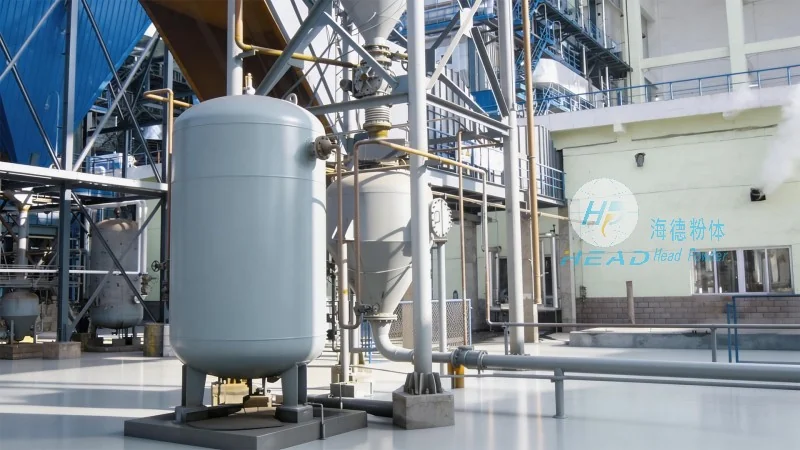
Working Scenario Characteristics of Stone and Coal Pneumatic Conveying
The application of stone and coal pneumatic conveying is characterized by several distinct working scenario features that cater to the unique requirements of different industries. Firstly, the system is highly adaptable to varying material properties, including different particle sizes, densities, and moisture content. This flexibility allows for the efficient handling of diverse raw materials used in construction, mining, and energy sectors. Secondly, the technology offers a compact and space-saving design, making it suitable for installations in confined or urban environments where traditional bulk transport methods may be impractical. Additionally, the system provides a dust-free and hygienic transport solution, which is particularly beneficial in applications where material contamination must be minimized, such as in food processing or pharmaceutical industries.
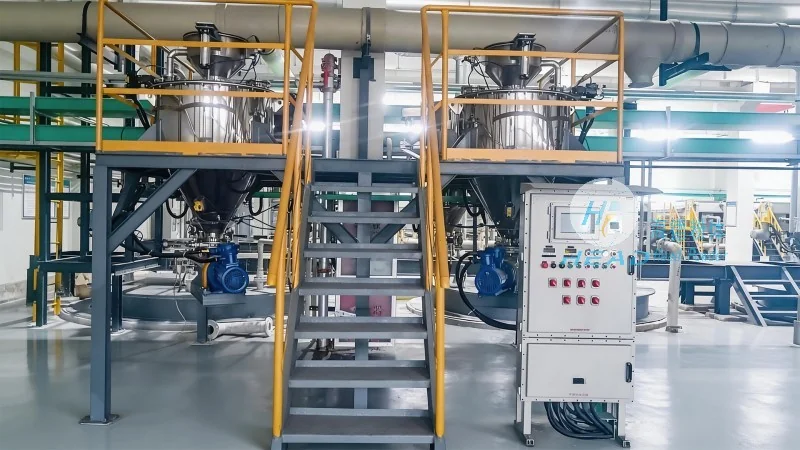
Key Advantages in Industrial Applications
When considering the implementation of stone and coal pneumatic conveying systems, several advantages stand out. The primary benefit is the significant reduction in operational costs compared to traditional methods, as there is no need for labor-intensive manual handling or mechanical equipment. Furthermore, the system enhances process efficiency by enabling continuous and automated material transport, which improves production throughput and reduces downtime. Another critical advantage is the improved safety profile, as the enclosed pipeline system minimizes the risk of material spillage and exposure to airborne dust, contributing to a safer working environment. The technology also supports easy integration with existing industrial processes, allowing for seamless incorporation into production lines without major modifications.
Conclusion
Stone and coal pneumatic conveying, as a sophisticated material handling solution, combines advanced engineering principles with practical application characteristics to deliver efficient and reliable transport of bulk materials. With HeadPowder’s expertise and commitment to quality, businesses can leverage this technology to optimize their operations, reduce costs, and enhance safety in various industrial settings. The working scenario characteristics and operational advantages make it an ideal choice for industries that demand precision, adaptability, and sustainability in their material transport processes.