

Principle and Working Scene Characteristics of Sawdust Particle Pneumatic Conveying
Sawdust, a byproduct of wood processing, is commonly used in various industries such as construction, manufacturing, and energy production. Efficient and reliable transportation of sawdust particles is crucial for optimizing production processes and maintaining operational efficiency. Pneumatic conveying systems offer a versatile solution for handling sawdust, providing a dust-free, low-maintenance method of material transport. This article explores the fundamental principles of sawdust particle pneumatic conveying and highlights the key characteristics of its working scenarios.
The Principle of Sawdust Particle Pneumatic Conveying
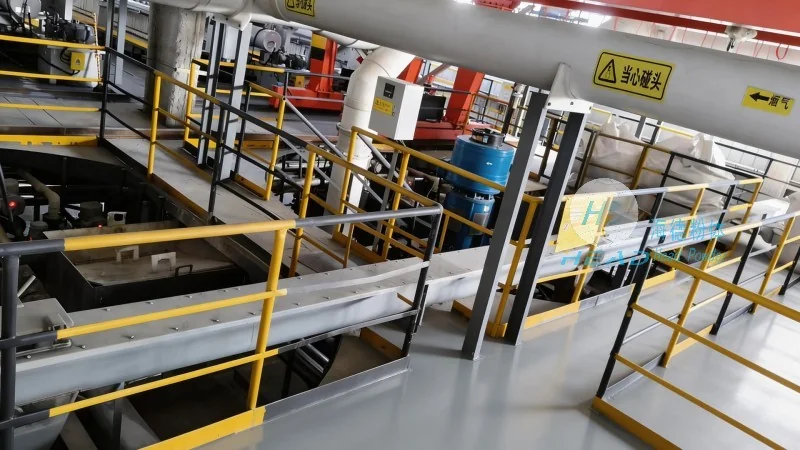
Pneumatic conveying utilizes air flow to transport solid particles through a pipeline. For sawdust, which is typically light and abrasive, specialized systems are designed to ensure effective and safe transport. The core principle involves creating a pressure differential within the pipeline, either by suction (induced flow) or pressure (forced flow). In suction systems, a vacuum is created at the material inlet, drawing sawdust particles into the pipeline along with air. In pressure systems, compressed air is introduced at the discharge end, pushing the material forward. The design of the conveying system, including the type of air nozzles, pipeline diameter, and air velocity, is critical to achieving optimal performance. For sawdust, which can vary in size and moisture content, the system must be tailored to handle these variations without clogging or loss of material. The use of appropriate air flow rates and pipeline configurations ensures that sawdust particles are conveyed smoothly, minimizing wear on equipment and maintaining product integrity.
Key Working Scene Characteristics
The application of sawdust particle pneumatic conveying varies across different industrial settings, each with unique requirements and operational conditions. Understanding these characteristics is essential for selecting the right system for a specific application.
Industrial Manufacturing Environments
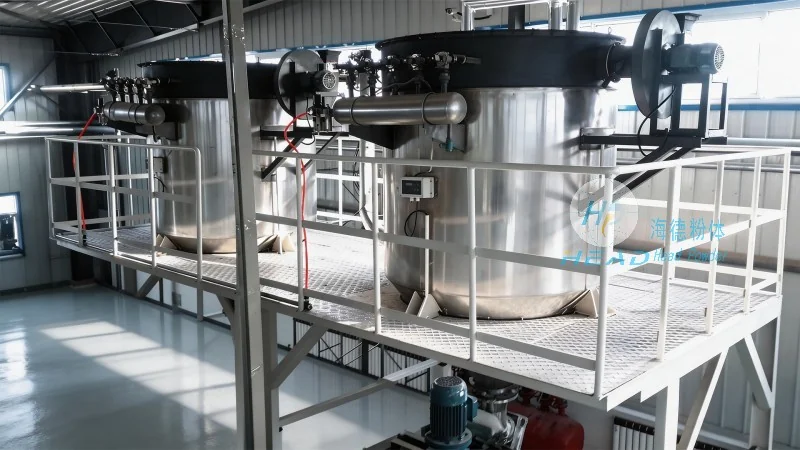
In manufacturing facilities, sawdust is often generated during woodworking processes and needs to be transported to storage areas or processing units. Pneumatic conveying systems are ideal for this scenario as they can handle large volumes of sawdust while maintaining a clean and safe working environment. The systems are typically integrated into the production line, with the inlet located near the sawing or planing equipment. This allows for continuous, automated transport of sawdust, reducing manual handling and associated risks. The working scene in such environments emphasizes efficiency, reliability, and minimal downtime. The system must be capable of handling varying sawdust characteristics, such as changes in particle size due to different wood types or moisture levels. Additionally, the design must consider the need for dust control and noise reduction, as pneumatic conveying can generate significant air flow noise and dust emissions if not properly managed.
Construction and Building Sites
On construction sites, sawdust may be used as a raw material for composite materials or as a fuel source in biomass energy plants. Pneumatic conveying is used to transport sawdust from storage silos or collection points to processing equipment or fuel feed systems. The working scene in construction sites often involves outdoor or semi-outdoor conditions, with varying weather and environmental factors. The system must be robust and weather-resistant to withstand exposure to rain, wind, and temperature fluctuations. The pipeline may need to be elevated or run over long distances to connect different parts of the site. The key characteristics include durability, ease of installation, and the ability to handle irregular sawdust loads. The system should also be designed to minimize maintenance requirements, as construction sites often have limited access to maintenance personnel and equipment.
Waste Management and Recycling Facilities
In waste management and recycling facilities, sawdust may be collected from various sources, including wood processing plants and residential areas, and transported to processing units for further treatment or reuse. Pneumatic conveying systems are used to transport sawdust from collection points to storage or processing areas. The working scene in these facilities involves handling a mix of sawdust and other waste materials, requiring the system to be compatible with diverse particle sizes and compositions. The system must be equipped with filtration and cleaning mechanisms to prevent clogging and maintain air quality. The key characteristics include high capacity, low maintenance, and the ability to handle abrasive materials. The system should also be designed to comply with environmental regulations regarding dust emissions and noise levels. This ensures that the facility operates in an environmentally friendly manner while efficiently processing sawdust as part of the waste management process.
Energy Production Facilities
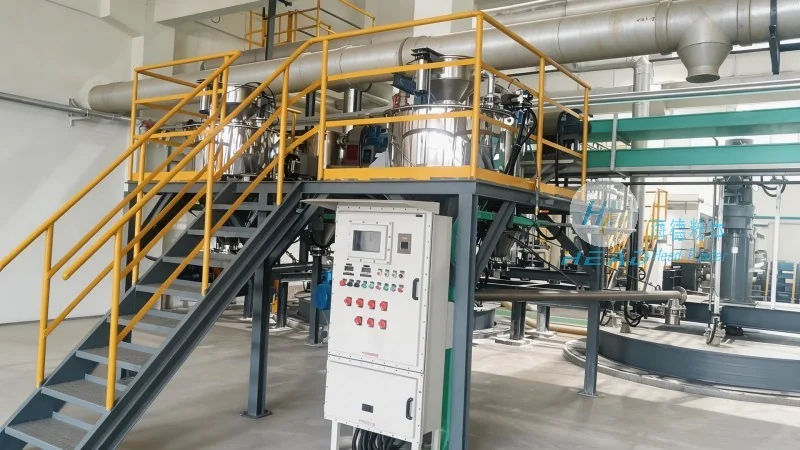
In biomass energy plants, sawdust is used as a fuel source to generate electricity or heat. Pneumatic conveying systems are used to transport sawdust from storage silos to the combustion chamber of the boiler. The working scene in energy production facilities requires high reliability and consistent material flow to ensure continuous operation of the power generation system. The system must be able to handle large volumes of sawdust at a steady rate, with minimal variations in flow. The design of the system includes features such as variable air flow control and material feeders to maintain a consistent feed rate. The key characteristics here include high efficiency, low energy consumption, and the ability to handle high-temperature and high-pressure conditions. The system must be constructed from materials that can withstand the corrosive and abrasive nature of sawdust and combustion byproducts. This ensures that the system operates safely and efficiently, contributing to the overall performance of the energy production facility.
About Shandong HeadPowder Engineering Co., Ltd.
Shandong HeadPowder Engineering Co., Ltd., operating under the brand name HeadPowder, is a leading provider of pneumatic conveying solutions tailored for the wood processing and related industries. With years of experience in the field, HeadPowder specializes in designing, manufacturing, and installing customized sawdust particle pneumatic conveying systems. The company's expertise lies in understanding the unique challenges of handling sawdust, including its light weight, abrasive nature, and varying particle sizes. HeadPowder's systems are engineered to meet the specific requirements of each application, ensuring optimal performance and reliability. The company's commitment to quality and customer satisfaction has made it a trusted partner for businesses seeking efficient and effective sawdust transport solutions. HeadPowder's team of engineers and technicians work closely with clients to develop tailored solutions that address their specific operational needs, from small-scale applications to large industrial facilities. The company's focus on innovation and technology ensures that its products remain at the forefront of pneumatic conveying technology, providing clients with the best possible solutions for their sawdust handling requirements.