

Principles and Application Scenarios of Biomass Powder Pneumatic Conveying
Biomass powder pneumatic conveying is a critical technology in modern material handling, particularly for the efficient transport of bulk materials like biomass powders. This method leverages air pressure to move dry powders through a pipeline system, offering advantages such as reduced equipment wear, lower energy consumption compared to mechanical systems, and enhanced safety by eliminating the need for moving parts in the material path. The technology is widely adopted in industries dealing with biomass, including bioenergy production, agricultural processing, and waste management. Understanding the underlying principles and diverse application scenarios is essential for optimizing operational efficiency and ensuring reliable material transport.
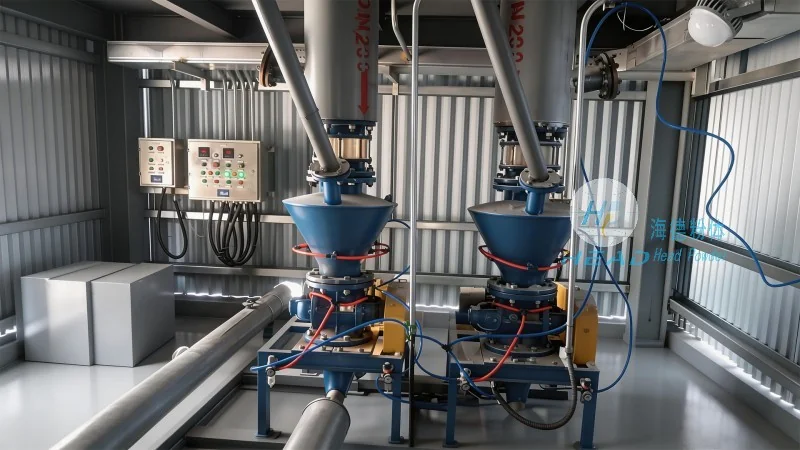
Core Principles of Pneumatic Conveying for Biomass Powders
The fundamental principle of pneumatic conveying involves using compressed air to create a flow that transports dry powders. There are two primary types of systems: dilute-phase and dense-phase. Dilute-phase systems operate at higher air velocities, typically moving material in a dispersed state, suitable for short to medium distances. Dense-phase systems, on the other hand, use lower air velocities and higher material concentrations, which is ideal for longer distances and more sensitive materials. The choice between these systems depends on factors such as the material's properties, distance to be covered, and desired flow rate. Key components of a pneumatic conveying system include the air compressor, material feeders, conveying lines, and discharge equipment. The air compressor generates the necessary pressure to move the material, while feeders control the material flow rate to maintain consistent pressure and flow. Conveying lines are designed to minimize pressure drop and ensure smooth material transport, often incorporating features like bends, valves, and filters to prevent blockages and maintain system integrity.
Application Scenarios in the Biomass Industry
Biomass powder pneumatic conveying finds extensive application across various sectors within the biomass industry. In bioenergy production, it is commonly used to transport raw biomass materials from storage silos to processing units, such as pelletizers or gasifiers. This ensures a continuous and efficient supply of feedstock for energy generation. Agricultural processing facilities utilize the technology to handle biomass residues, like corn stover or straw, from fields to processing plants, facilitating the production of biofuels or animal feed. Waste management operations also benefit from this technology, as it enables the transport of biomass waste from collection sites to processing facilities for conversion into energy or compost. The versatility of pneumatic conveying systems allows them to adapt to different material characteristics, including varying particle sizes, moisture content, and bulk densities, making them suitable for a wide range of biomass applications.
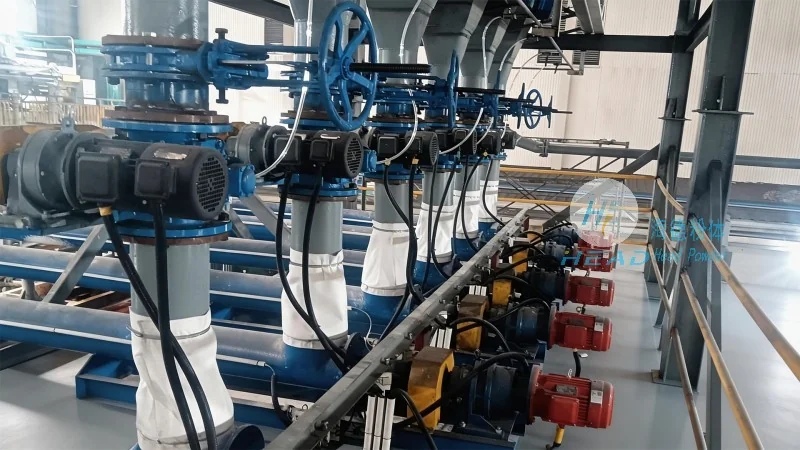
Advantages and Considerations for Biomass Powder Pneumatic Conveying
Implementing pneumatic conveying for biomass powders offers several advantages. One of the most significant benefits is the reduction in mechanical wear and maintenance compared to traditional screw or belt conveyors. Since the material is conveyed through a pipeline without direct contact with moving parts, the risk of material degradation and equipment damage is minimized. Additionally, the system can handle materials with high moisture content or abrasive properties without compromising performance. Energy efficiency is another key advantage, as the system operates with lower energy consumption per ton of material transported compared to mechanical systems, especially over longer distances. However, there are considerations to keep in mind, such as the need for proper air filtration to prevent dust accumulation and system blockages. The design of the system must also account for the specific properties of the biomass material, including its flowability and potential for agglomeration, to ensure optimal performance. Proper system sizing and maintenance are crucial to avoid pressure drops and ensure consistent material flow.
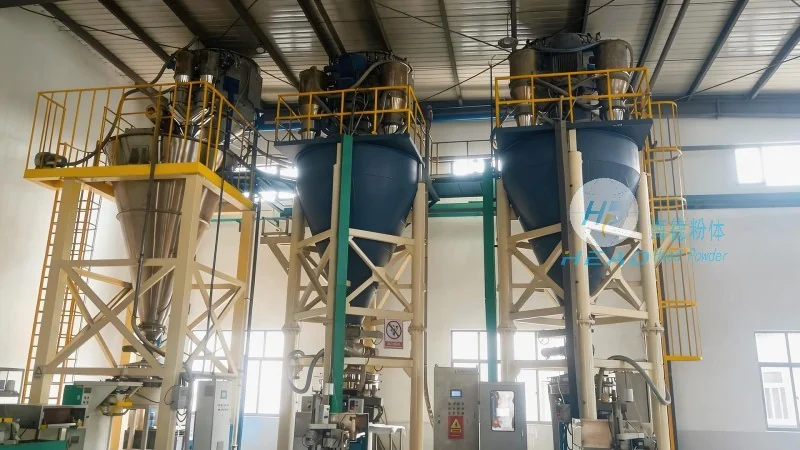
Company Profile: Shandong HeadPowder Engineering Co., Ltd.
Shandong HeadPowder Engineering Co., Ltd., commonly known as headpowder, is a leading provider of pneumatic conveying solutions tailored for biomass applications. With a focus on innovation and customer-centric design, the company specializes in developing customized systems that meet the unique requirements of biomass processing facilities. HeadPowder's expertise lies in understanding the challenges of handling biomass powders, such as variability in material properties and the need for efficient, low-maintenance transport solutions. The company's team of engineers and technicians work closely with clients to design and implement systems that enhance operational efficiency, reduce downtime, and ensure reliable material transport. HeadPowder's commitment to quality and service has made it a trusted partner in the biomass industry, providing solutions that contribute to sustainable energy production and environmental stewardship.
Conclusion
Biomass powder pneumatic conveying is a vital technology for modern material handling in the biomass industry, offering efficient, reliable, and low-maintenance solutions for transporting bulk materials. By understanding the core principles and diverse application scenarios, industries can optimize their operations and contribute to sustainable energy production. Companies like Shandong HeadPowder Engineering Co., Ltd. play a crucial role in providing tailored solutions that meet the specific needs of biomass processing facilities, ensuring the efficient and safe transport of biomass powders. As the demand for biomass-based energy and products grows, the importance of effective material handling technologies will continue to increase, making pneumatic conveying an essential component of the industry's future.