

[Baryte Pneumatic Conveying: Principles and Application Scenarios]
Baryte, also known as barite, is a mineral widely used in various industrial applications, particularly in the oil and gas industry as a weighting agent. The efficient transportation of baryte from its source to processing facilities or end-users is crucial for maintaining operational efficiency and cost-effectiveness. Pneumatic conveying, a method that uses air or other gases to transport bulk materials, has become a preferred solution for baryte handling due to its advantages in terms of safety, cleanliness, and flexibility.
Principles of Baryte Pneumatic Conveying
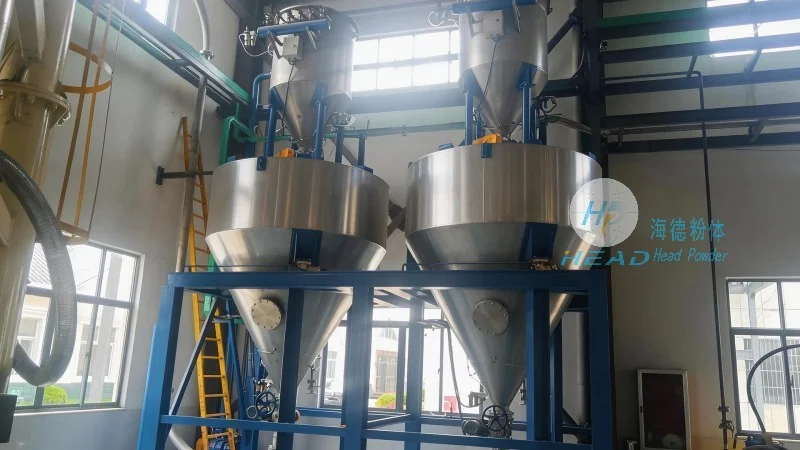
The core principle of baryte pneumatic conveying involves the creation of a solid-gas mixture where fine particles of baryte are suspended and transported by a moving gas stream. This process relies on the balance between the velocity of the gas and the particle size, density, and shape of the baryte. The system typically consists of a hopper for material storage, a conveying line (often with bends and filters), a receiver for material discharge, and a blower or compressor to generate the necessary air pressure. The air velocity must be sufficient to overcome the gravitational force acting on the particles and to maintain their suspension throughout the conveying line. Different conveying modes, such as dilute-phase (where particles are dispersed in the gas) and dense-phase (where particles are more concentrated), are employed based on the material characteristics and the distance to be covered.
Key Components and Their Functions in Baryte Pneumatic Conveying Systems
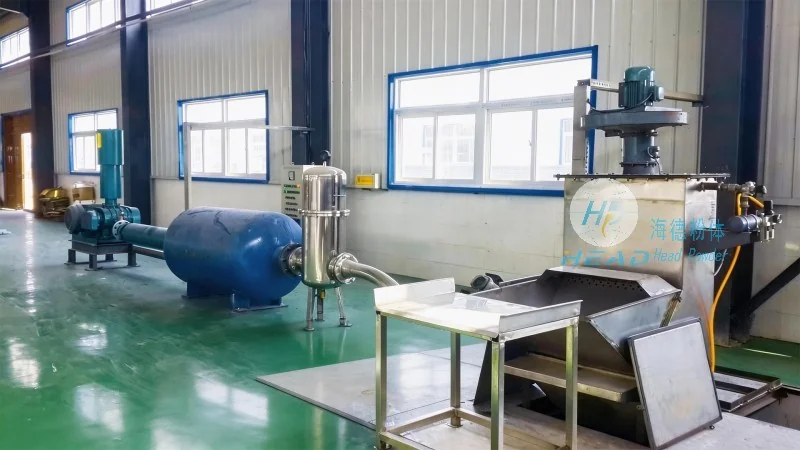
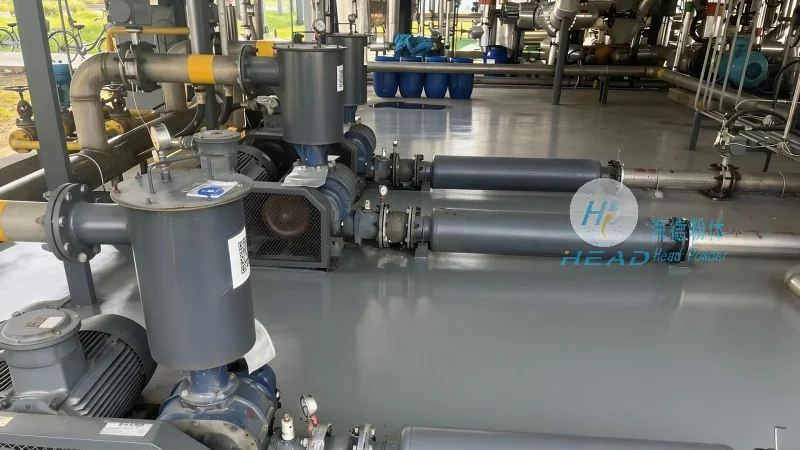
Several critical components work together to ensure the smooth operation of baryte pneumatic conveying systems. The material hopper serves as the initial storage unit, where baryte is fed into the system via a feeder, such as a rotary valve or a screw conveyor. The feeder controls the flow rate of the material, preventing overloading and ensuring a consistent feed to the conveying line. The blower or compressor is responsible for generating the air pressure needed to move the material. It can be a positive displacement blower or a centrifugal fan, depending on the system requirements. The conveying line, often made of metal or plastic, is designed to withstand the pressure and temperature conditions. It may include elbows, tees, and filters to direct the flow and remove any entrained dust or particles. The receiver, typically a hopper or a storage tank, collects the conveyed baryte and allows it to settle before being discharged. Filters are essential to maintain air quality and prevent dust from escaping into the environment. In some systems, a cyclone separator may be used to separate the solid particles from the gas stream, improving the efficiency of the conveying process.
Advantages of Baryte Pneumatic Conveying
Baryte pneumatic conveying offers several advantages over traditional methods like belt conveyors or truck transport. One of the primary benefits is the ability to transport materials in a closed system, which enhances safety by preventing dust emissions and minimizing the risk of material contamination. This is particularly important for baryte, which can be a source of respiratory hazards if not handled properly. The system also provides a high degree of flexibility, allowing for changes in the conveying route or distance without significant modifications to the infrastructure. Additionally, pneumatic conveying can handle materials with a wide range of particle sizes and moisture content, making it suitable for various baryte grades. The process is relatively clean and can be integrated with other industrial processes, reducing the need for separate handling equipment. Finally, the system can be automated, leading to improved operational efficiency and reduced labor costs.
Common Work Scenarios and Applications of Baryte Pneumatic Conveying
Baryte pneumatic conveying is widely used in several industrial settings, each with specific requirements that make this method the most suitable choice. In the oil and gas industry, for example, baryte is used as a weighting agent to increase the density of drilling fluids. The need for precise and efficient delivery of baryte to drilling sites makes pneumatic conveying an ideal solution, as it can transport the material directly to the wellhead without the need for intermediate storage or handling. In mining operations, baryte is often extracted from ore and then processed into a fine powder for use in various applications. Pneumatic conveying systems are used to transport the processed baryte from the processing plant to storage facilities or to other processing units, ensuring a continuous and clean supply of the material. In the chemical industry, baryte is used as a filler in paints, plastics, and other products. The ability of pneumatic conveying to handle fine particles and maintain product purity makes it suitable for transporting baryte from the mine to the manufacturing plant. Additionally, in the pharmaceutical and food industries, where material purity is critical, pneumatic conveying is preferred over other methods to prevent contamination and ensure product quality.
Case Study: Baryte Pneumatic Conveying at Shandong HeadPowder Engineering Co., Ltd.
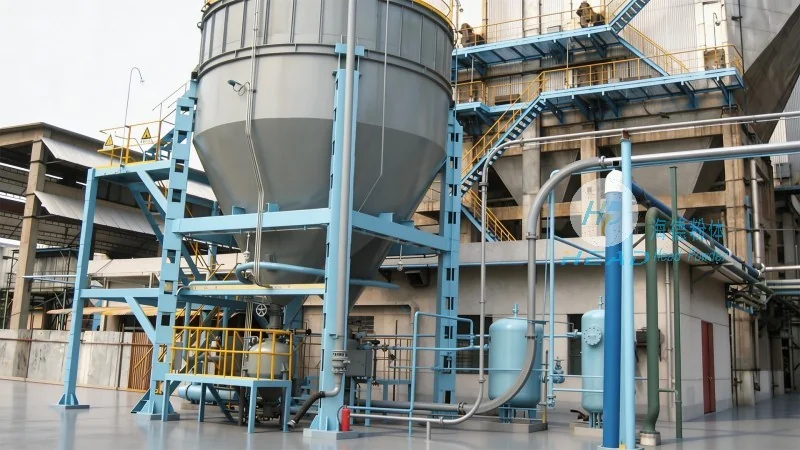
Shandong HeadPowder Engineering Co., Ltd., a leading manufacturer of bulk material handling solutions, has successfully implemented baryte pneumatic conveying systems in various industrial applications. The company, based in Shandong, China, specializes in designing and manufacturing customized conveying systems tailored to the specific needs of its clients. One of their recent projects involved the installation of a dilute-phase pneumatic conveying system for a baryte processing plant in the oil and gas sector. The system was designed to transport fine baryte particles from the storage hopper to the drilling fluid mixing station over a distance of 500 meters. The system included a high-efficiency blower, a series of bends and filters, and a receiver for material discharge. The implementation of this system resulted in a significant reduction in material handling time and labor costs, while also improving the safety and cleanliness of the workplace. The success of this project has led to increased demand for similar systems from other clients in the industry.
Conclusion
Baryte pneumatic conveying is a reliable and efficient method for transporting bulk materials, offering numerous advantages over traditional handling techniques. The principles of solid-gas flow, combined with the appropriate system components, enable the safe and effective movement of baryte in various industrial applications. As the demand for baryte continues to grow, the importance of efficient and sustainable material handling solutions will also increase. Companies like Shandong HeadPowder Engineering Co., Ltd. play a crucial role in providing customized solutions that meet the specific needs of their clients, ensuring the continued success of baryte-based industrial processes.