

Principles and Working Scene Characteristics of Sodium Chlorate Pneumatic Conveying
Sodium chlorate is a widely used chemical compound in various industrial applications, and its efficient handling is crucial for operational efficiency and safety. Pneumatic conveying, as a key technology for material transport, offers a reliable solution for moving sodium chlorate from storage to processing units. This article explores the fundamental principles behind sodium chlorate pneumatic conveying and highlights the specific characteristics of its working scenes, providing insights into how this technology enhances industrial processes.
Principles of Pneumatic Conveying for Sodium Chlorate
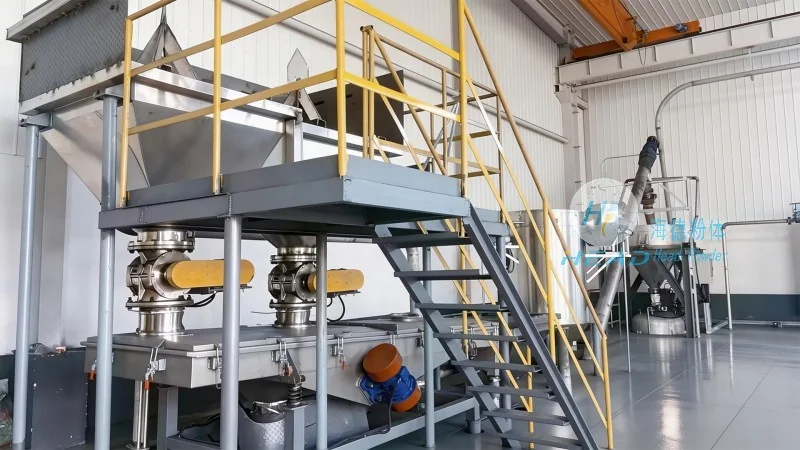
Pneumatic conveying operates on the principle of using air or gas to transport solid materials through a pipeline system. In the case of sodium chlorate, the process typically involves a combination of pressure and vacuum systems to move the material. The core components include a feeding device, a conveying line, a separation system, and a collection unit. The feeding device ensures a consistent flow of sodium chlorate into the pipeline, while the conveying line, often equipped with special materials to resist corrosion, transports the material. The separation system, such as cyclones or filters, separates the material from the air stream, and the collection unit stores the sodium chlorate for further use. The choice between positive pressure and negative pressure systems depends on the specific application, with positive pressure systems being more common for sodium chlorate due to their ability to handle abrasive materials and prevent dust emissions.
Key Working Scene Characteristics
The working scenes for sodium chlorate pneumatic conveying vary based on the industrial environment and the scale of operations. One common scenario is in chemical manufacturing plants where sodium chlorate is produced and then transported to downstream processes like bleaching or oxidation. These plants often require large-scale, continuous conveying systems to maintain production rates. Another typical scene is in mining and mineral processing facilities, where sodium chlorate is used as a oxidizing agent and needs to be moved from storage to processing equipment. The characteristics of these working scenes include high material throughput, strict safety protocols due to the hazardous nature of sodium chlorate, and the need for equipment that can handle corrosive and abrasive conditions. Additionally, the working environment may involve dust control measures to comply with environmental regulations, as sodium chlorate is a fine powder that can pose respiratory hazards if not properly managed.
Equipment and System Design Considerations
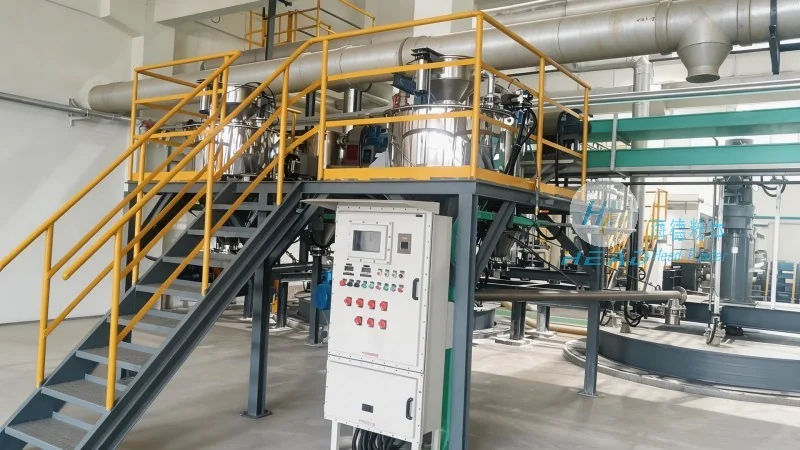
The design of pneumatic conveying systems for sodium chlorate must consider several factors to ensure optimal performance and safety. Material compatibility is a critical aspect, as sodium chlorate is highly corrosive and can degrade certain materials like steel. Therefore, systems often use stainless steel or specialized coatings to protect against corrosion. The pipeline design, including the diameter and length, is also important, as it affects the pressure drop and material flow rate. For long-distance conveying, booster units may be required to maintain sufficient air pressure. The feeding mechanism, such as rotary valves or screw feeders, must be capable of handling the fine, abrasive nature of sodium chlorate without causing blockages or wear. Moreover, the separation and collection equipment must be efficient in removing the material from the air stream, preventing loss and ensuring a clean process. Regular maintenance and monitoring of the system are essential to prevent equipment failure and maintain compliance with safety standards.
Operational Efficiency and Safety Measures
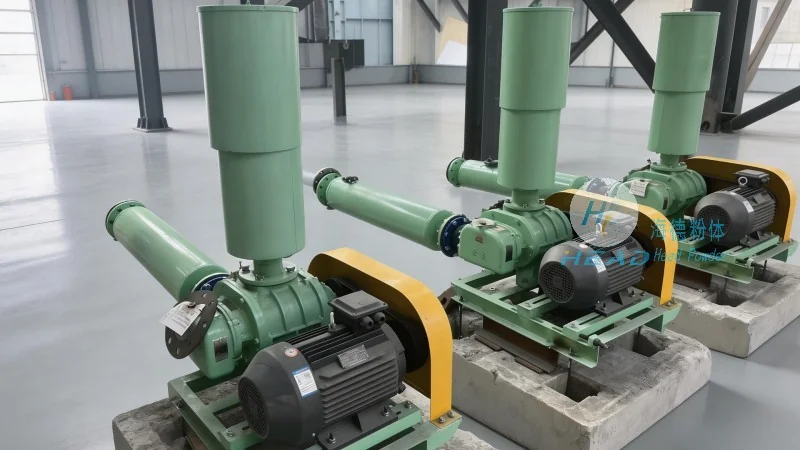
Efficient operation of sodium chlorate pneumatic conveying systems directly impacts overall industrial productivity. By minimizing downtime and reducing material loss, these systems contribute to cost savings and improved process reliability. Safety is paramount in handling sodium chlorate, as it is a hazardous chemical that can cause burns or respiratory issues if inhaled. The working scenes are designed with multiple safety features, including explosion-proof components, dust collection systems, and emergency shutdown procedures. Regular training for operators on handling sodium chlorate and operating the conveying system is also a standard practice to ensure safety. Additionally, the system's ability to handle high volumes of material without clogging or excessive pressure buildup enhances operational efficiency. By integrating advanced control systems, the conveying process can be optimized for different production demands, further improving the overall performance of the industrial setup.
Conclusion
Sodium chlorate pneumatic conveying is a vital technology in industries that rely on this chemical compound. Understanding its principles and the characteristics of its working scenes is essential for implementing effective and safe material transport solutions. The systems designed by Shandong HeadPowder Engineering Co., Ltd. leverage advanced engineering and material science to meet the specific needs of sodium chlorate handling, ensuring high efficiency, safety, and compliance with industry standards. As industrial processes continue to evolve, the importance of reliable pneumatic conveying systems for sodium chlorate will remain significant, supporting the growth and sustainability of various industrial applications.