

What Methods Can Be Used for Calcined Gypsum Conveying?
For industrial applications that require the efficient and reliable transport of calcined gypsum, selecting the appropriate conveying method is crucial. The choice of conveying system directly impacts operational efficiency, material handling costs, and overall production quality. In this article, we will explore the various methods available for calcined gypsum conveying, providing insights into the factors that influence the selection process and the advantages of each approach.
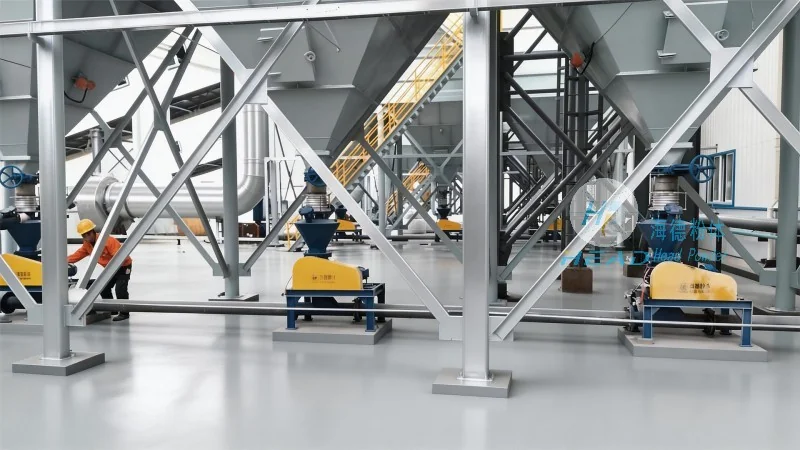
Understanding Calcined Gypsum and Its Conveying Requirements
Calcined gypsum, also known as plaster of Paris or hemihydrate gypsum, is a widely used material in construction, manufacturing, and other industries. It is produced by heating gypsum to a specific temperature, which alters its chemical and physical properties, making it more suitable for various applications such as wallboard production, plaster, and decorative materials. Due to its fine powder nature and potential for dust generation, the conveying of calcined gypsum demands specialized equipment and techniques to ensure safety, efficiency, and minimal material loss.
Common Conveying Methods for Calcined Gypsum
Several methods are commonly employed for the transport of calcined gypsum, each with its own set of advantages and limitations. The selection of a method depends on factors such as the material's characteristics, the distance to be conveyed, the required throughput, and the environmental considerations of the operation.
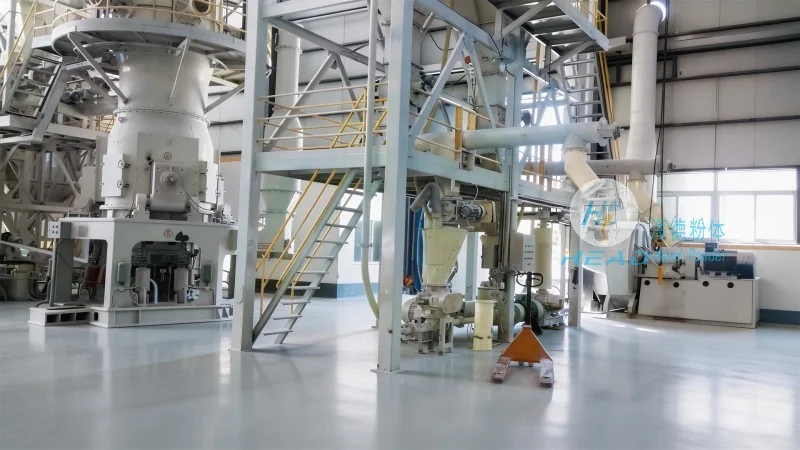
Pneumatic Conveying Systems
Pneumatic conveying is a popular method for transporting calcined gypsum, especially over short to medium distances. This system uses air pressure or vacuum to move the material through a pipeline. There are two main types of pneumatic conveying: pressure and vacuum systems. Pressure systems use compressed air to push the material forward, while vacuum systems use a vacuum to draw the material into the pipeline. Pneumatic conveying offers advantages such as the ability to handle fine powders, minimal material degradation, and the option for multi-point discharge. However, it may require higher energy consumption and careful maintenance to prevent clogging and ensure consistent performance.
Mechanical Conveying Systems
Mechanical conveying systems are another common approach for calcined gypsum transport. These systems use mechanical components such as belts, screws, or buckets to move the material. Belt conveyors are widely used for horizontal or slight incline transport, providing a continuous and reliable method for moving large quantities of material. Screw conveyors, also known as augers, are effective for vertical or inclined transport, as they can handle both dry and slightly moist materials. Bucket elevators are used for vertical transport, particularly in applications where high capacity and vertical lift are required. Mechanical conveyors are generally more cost-effective and energy-efficient than pneumatic systems, but they may be less suitable for very fine powders or materials that are prone to dust generation.
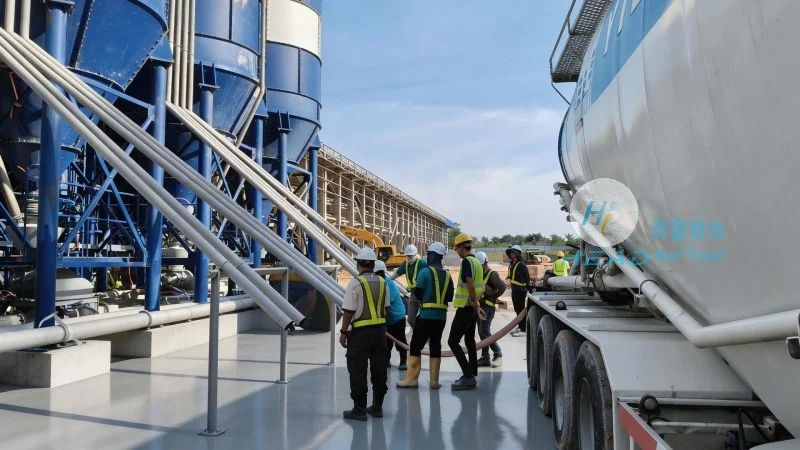
Hybrid Conveying Systems
In some cases, a combination of pneumatic and mechanical conveying methods may be used to achieve optimal results. For example, a pneumatic system may be used to transport the material from a storage silo to a mechanical conveyor that then transports it to the processing equipment. This hybrid approach allows for the benefits of both systems, such as the ability to handle fine powders with pneumatic transport while using mechanical conveyors for longer horizontal distances or vertical lifts. The choice of hybrid system depends on the specific requirements of the application and the available infrastructure.
Factors to Consider When Selecting a Conveying Method
When choosing a conveying method for calcined gypsum, several factors must be considered to ensure the most effective and efficient operation. The first factor is the material's characteristics, including its particle size, moisture content, and flowability. Fine powders may require pneumatic or hybrid systems to prevent clogging, while coarser materials may be suitable for mechanical conveyors. The second factor is the distance to be conveyed, as pneumatic systems are generally more suitable for shorter distances, while mechanical systems can handle longer distances more efficiently. The third factor is the required throughput, as different systems have varying capacities and may need to be scaled accordingly. Finally, environmental considerations, such as dust control and noise reduction, are important, especially in industrial settings where safety and compliance with regulations are critical.