

[Clinker Transportation Methods: Options for Efficient Material Handling]
Efficient clinker transportation is a critical aspect of cement production and supply chain management. The choice of transportation method significantly impacts operational efficiency, cost-effectiveness, and overall plant performance. For businesses in the cement industry, understanding the available options and selecting the most suitable method is essential for optimizing production processes. This article explores various methods for transporting cement clinker, highlighting key considerations and practical applications.
Understanding Clinker and Its Transportation Requirements
Cement clinker is a key intermediate product in cement manufacturing, formed by sintering limestone and other raw materials at high temperatures. It is a dense, solid material with specific physical and chemical properties that influence how it is transported. The primary requirements for clinker transportation include minimizing material degradation, controlling dust emissions, ensuring consistent flow rates, and maintaining structural integrity during transit. These factors guide the selection of appropriate equipment and systems.
Common Methods for Cement Clinker Transportation
Several methods are commonly used for transporting cement clinker, each with its own advantages and limitations. The selection depends on factors such as plant layout, distance, production capacity, and budget. Below are some of the most prevalent approaches:
Pneumatic Conveying Systems
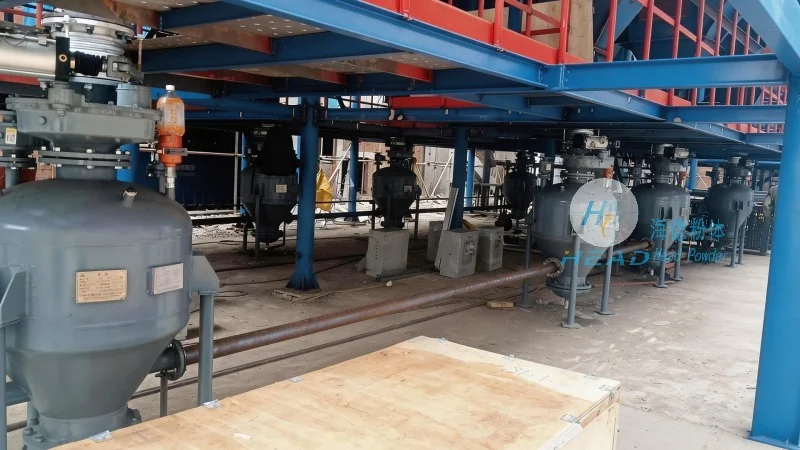
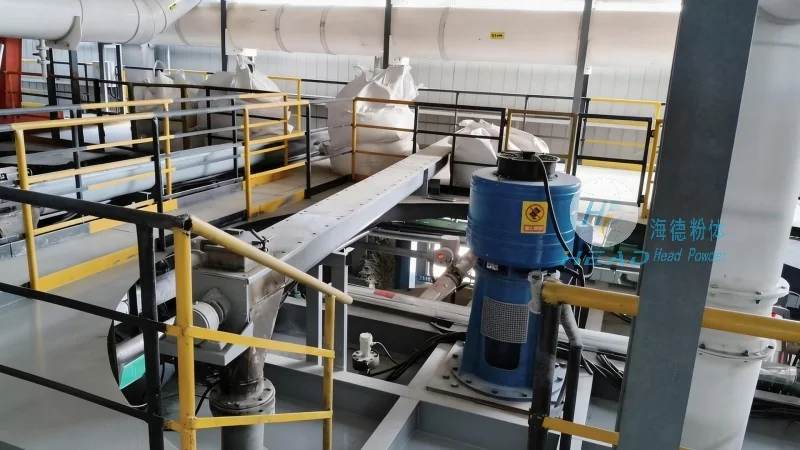
Pneumatic conveying, or air-based transport, is a popular method for moving clinker over short to medium distances. This system uses compressed air to transport clinker particles through a network of pipes. There are two main types: positive pressure and negative pressure systems. Positive pressure systems push the material using air, while negative pressure systems create a vacuum to draw the material. Pneumatic conveyors are ideal for applications requiring enclosed transport, reducing dust and contamination risks. They are particularly suitable for transporting clinker from storage silos to grinding mills or packaging facilities. The efficiency of pneumatic systems is enhanced by using appropriate pipe diameters, air velocities, and material feed mechanisms to prevent blockages and ensure smooth operation.
Belt Conveyor Systems
Belt conveyors are widely used in cement plants for long-distance and high-volume clinker transport. These systems consist of a continuous belt that moves clinker from one point to another, supported by rollers and guided by idlers. Belt conveyors are capable of handling large quantities of material at high speeds, making them suitable for transporting clinker from the clinker cooler to storage silos or for interplant transfer. Key considerations include the belt material (often rubber or steel-cord reinforced), the speed and tension of the belt, and the inclination angle to prevent material spillage. Proper maintenance, such as regular belt tension checks and cleaning, is crucial to ensure reliable operation and minimize downtime.
Pipeline Transportation (Fluidized Bed or Slurry)
For long-distance or bulk clinker transport, pipeline systems offer a continuous and automated solution. These systems involve transporting clinker in a fluidized state, either as a slurry or using a fluidized bed. The clinker is mixed with a small amount of water or other fluid to create a pumpable mixture, which is then conveyed through pipelines under pressure. This method is particularly effective for transporting clinker over distances exceeding 10 kilometers and is commonly used in large-scale cement production facilities. Pipeline systems reduce the need for intermediate storage and handling, improving overall operational efficiency. However, they require robust pipeline infrastructure and careful control of fluid properties to maintain consistent flow and prevent clogging.
Vertical Lift and Horizontal Transfer Equipment
In many cement plants, vertical and horizontal transfer equipment is used to move clinker between different levels or across plant sections. Vertical lift systems, such as bucket elevators or chain conveyors, are designed to transport clinker vertically, often from the clinker cooler to upper storage silos. These systems are compact and efficient for vertical movement, with minimal space requirements. Horizontal transfer equipment, including screw conveyors or chain conveyors, is used for horizontal movement over short distances. The choice of vertical or horizontal equipment depends on the plant layout and the need to optimize space utilization. Proper alignment and lubrication of moving parts are essential to ensure smooth operation and prevent wear and tear.
Factors Influencing the Choice of Transportation Method
The selection of a clinker transportation method is influenced by several key factors. Plant layout and distance are primary considerations, as different methods are better suited for short, medium, or long distances. Production capacity and throughput requirements also play a role, as high-volume plants may require more robust systems. Cost is another critical factor, as different methods have varying capital and operational expenses. Environmental regulations, particularly regarding dust control, can also impact the choice, with enclosed systems like pneumatic conveyors offering better compliance. Finally, maintenance and operational reliability are important, as downtime can significantly affect production schedules.
Conclusion
Efficient clinker transportation is vital for the smooth operation of cement plants. By understanding the various methods available and considering the specific requirements of each facility, cement producers can select the most appropriate transportation system. Whether using pneumatic conveyors, belt systems, pipelines, or vertical/horizontal equipment, the goal is to minimize costs, maximize efficiency, and ensure consistent material handling. For businesses seeking reliable solutions, Shandong HeadPowder Engineering Co., Ltd., based in China, offers expertise and equipment tailored to meet the diverse needs of the cement industry. With a focus on quality and performance, HeadPowder provides innovative solutions for clinker transportation, helping cement manufacturers optimize their operations and enhance overall productivity.