

Working Principle and Features of Fully Automatic Bulk Material Pneumatic Conveying Systems
In industrial production, efficient and reliable material conveying systems are crucial for enhancing production efficiency and reducing operational costs. The fully automatic bulk material pneumatic conveying system, as an advanced conveying technology, is gradually becoming a preferred choice in many industries. This article delves into the core working principles and significant features of this system, helping readers gain a comprehensive understanding of its application value.
System Working Principle Analysis
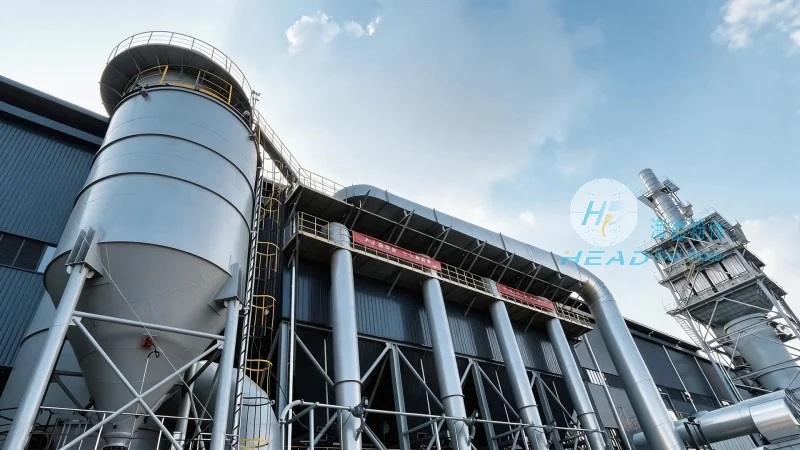
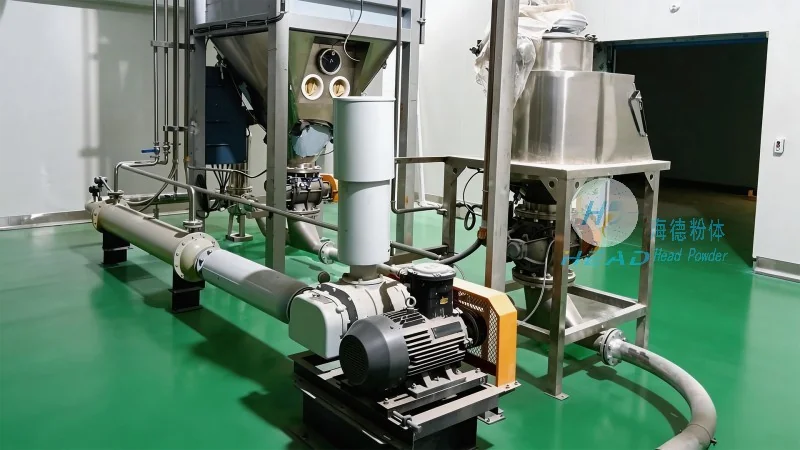
The fully automatic bulk material pneumatic conveying system utilizes compressed air or inert gas as the driving force to achieve material pneumatic conveying. Its working principle is primarily based on fluid mechanics principles, forming high-speed airflow within the conveying pipeline to suspend and transport solid materials to the designated location. The system typically includes key components such as a feed device, pneumatic conveying pipeline, separator, discharge device, and a control system. The feed device is responsible for uniformly feeding materials into the pipeline, while compressed air from a fan or compressor provides the necessary power to generate sufficient airflow velocity within the pipeline to keep the material suspended. The material moves along with the airflow through the pipeline, and after passing through the separator, the solid material is separated and discharged, with the gas passing through a filter for exhaust. Throughout the process, the control system continuously monitors parameters like pressure and flow rate to ensure the stability and safety of the conveying process.
Core Features and Application Advantages
Compared to traditional conveying methods, the fully automatic bulk material pneumatic conveying system possesses several significant features, giving it unique advantages in industrial applications. Firstly, the system achieves fully automated operation, reducing human intervention and improving production efficiency. Secondly, the pneumatic conveying method avoids secondary pollution of materials, making it suitable for industries like food and pharmaceuticals with strict hygiene requirements. Additionally, the system has a compact structure, small footprint, and is easy to install and maintain. Meanwhile, the system exhibits good adaptability, capable of conveying various types of materials, including powders and granules. In the batching process, the system can precisely control the amount and ratio of materials, ensuring the stability of the production process and consistency of product quality. These features enable the fully automatic bulk material pneumatic conveying system to be widely applied in multiple fields such as chemical, pharmaceutical, food processing, and more.